
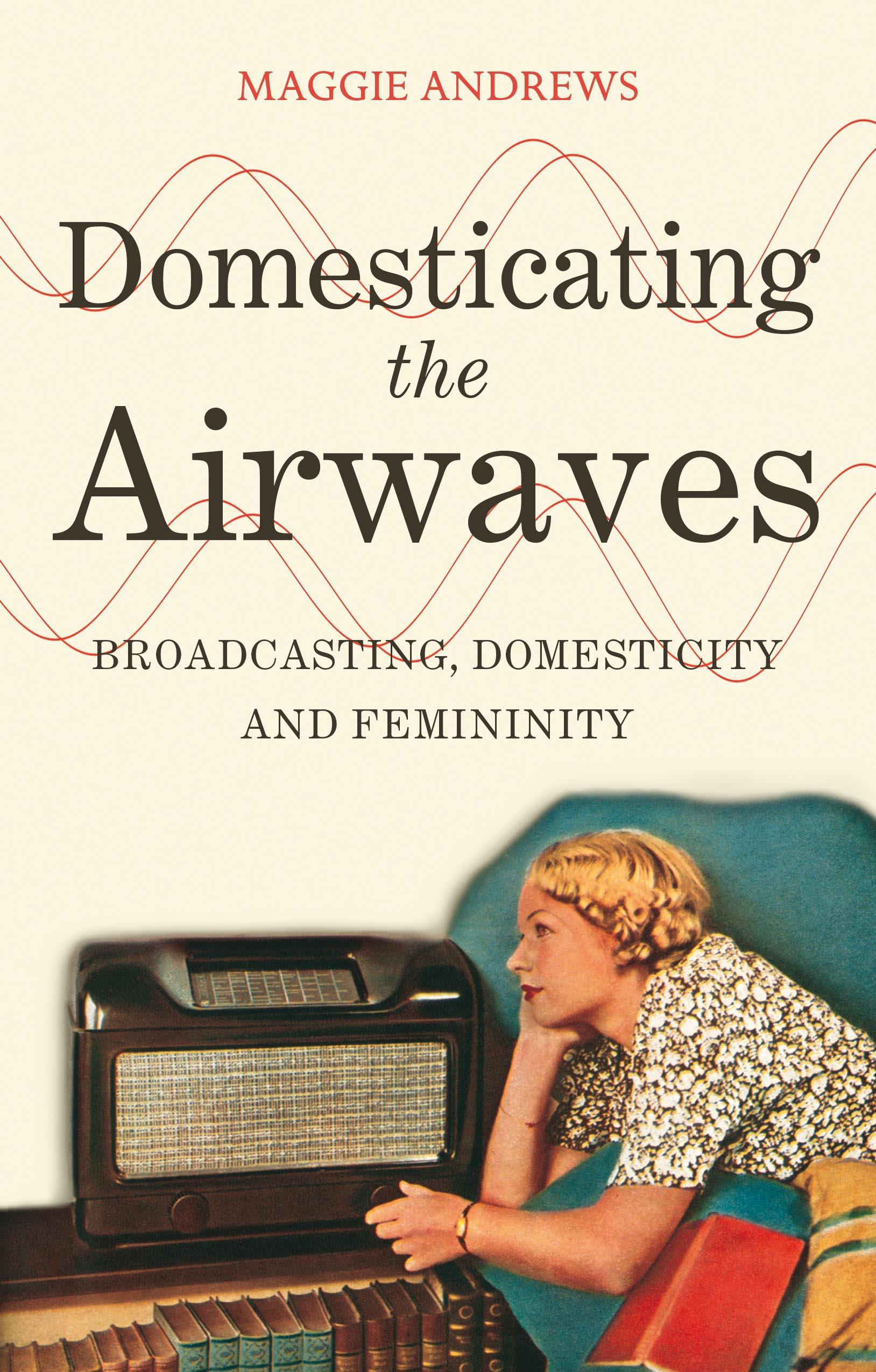
Using case studies and analytical overviews this book explores the relationship between broadcasting and the intimate domestic sphere into which it is broadcast. It focuses on the period from the 1920s, when broadcasting was established in the UK, to the present day when both domesticity and broadcasting have become areas of anxiety and contestation. The entry of the 'wireless', and later television, into the home changed men and women's experience of domesticity, offering education and reducing isolation. But broadcasting did not merely change domestic leisure patterns, it actively intervened in constructing domesticity. The supposedly natural relationship between femininity and domesticity has structured the nature of broadcasting, and also the discourses which have emerged concerning the consumption of broadcast media. Contemporary broadcasting continues to be obsessed by domesticity, both in an idealised sense as well as portraying the domestic world as one of turmoil and crisis. This volume demonstrates that the relationship between broadcasting and domesticity is a key, and often neglected, feature of the cultural history of Britain in the last 100 years.
Payez facilement par carte, Klarna, Apple Pay ou Google Pay. Pas satisfait ? Vous avez toujours une garantie de remboursement de 14 jours. En savoir plus dans nos conditions. Si vous avez des questions, envoyez-nous un e-mail à hello@memmo.org.
Memmo facilite tes études, où que tu sois dans le monde. On rassemble tes manuels de cours et des outils d'étude intelligents au même endroit : résumés, quiz, podcasts et flashcards. Et il y a Ted, ton compagnon d'étude qui répond à toutes tes questions. Plus de 50 000 étudiants étudient déjà ici – conçu pour t'aider à apprendre plus vite et à moins stresser.