
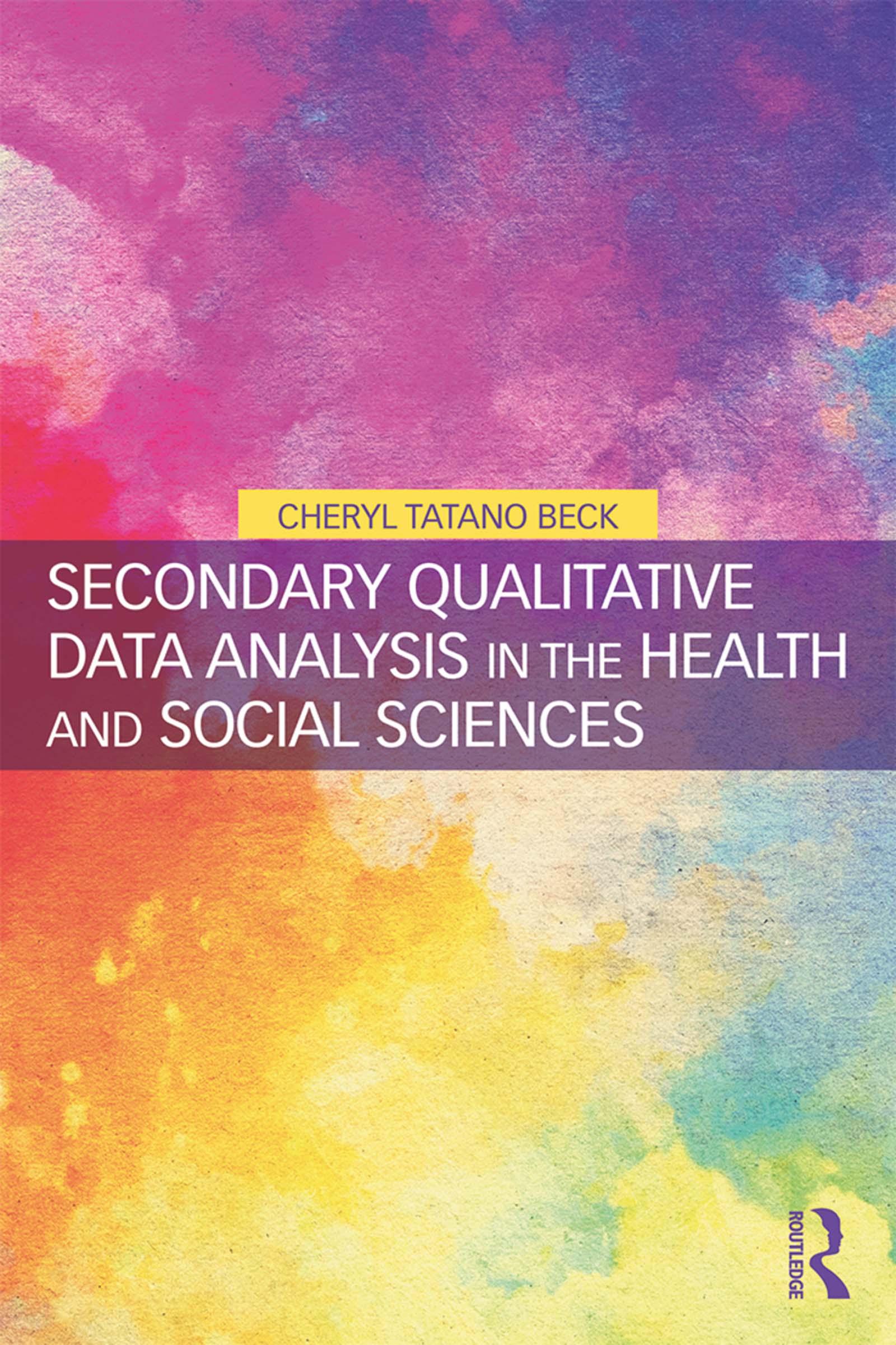
Despite a long history in quantitative research, it is only recently that enthusiasm for secondary analysis of qualitative data has gained momentum across health and social science disciplines. Given that researchers have long known the inordinate amount of time and energy invested in conducting qualitative research, the appeal of secondary analysis of qualitative data is clear. Involving the use of an existing dataset to answer research questions that are different from those asked in the original study, this method allows researchers to once again make use of their hard-earned qualitative dataset and to listen to their participants’ voices to the best of their ability in order to improve care and promote understanding.
As secondary qualitative data analysis continues to evolve, more methodological guidance is needed. This book outlines three approaches to secondary data analysis and addresses the key issues that researchers need to wrestle with, such as ethical considerations, voice, and representation. Intellectual and interpretive hazards that can jeopardize the outcome of these analyses are highlighted and discussed, as are the criteria for assessing their quality and trustworthiness.
Written as a thought-provoking guide for qualitative researchers from across the health and social sciences, this text includes a review of the state of the science in nursing and a number of in-depth illustrative case studies.
Payez facilement par carte, Klarna, Apple Pay ou Google Pay. Pas satisfait ? Vous avez toujours une garantie de remboursement de 14 jours. En savoir plus dans nos conditions. Si vous avez des questions, envoyez-nous un e-mail à hello@memmo.org.
Memmo facilite tes études, où que tu sois dans le monde. On rassemble tes manuels de cours et des outils d'étude intelligents au même endroit : résumés, quiz, podcasts et flashcards. Et il y a Ted, ton compagnon d'étude qui répond à toutes tes questions. Plus de 50 000 étudiants étudient déjà ici – conçu pour t'aider à apprendre plus vite et à moins stresser.