
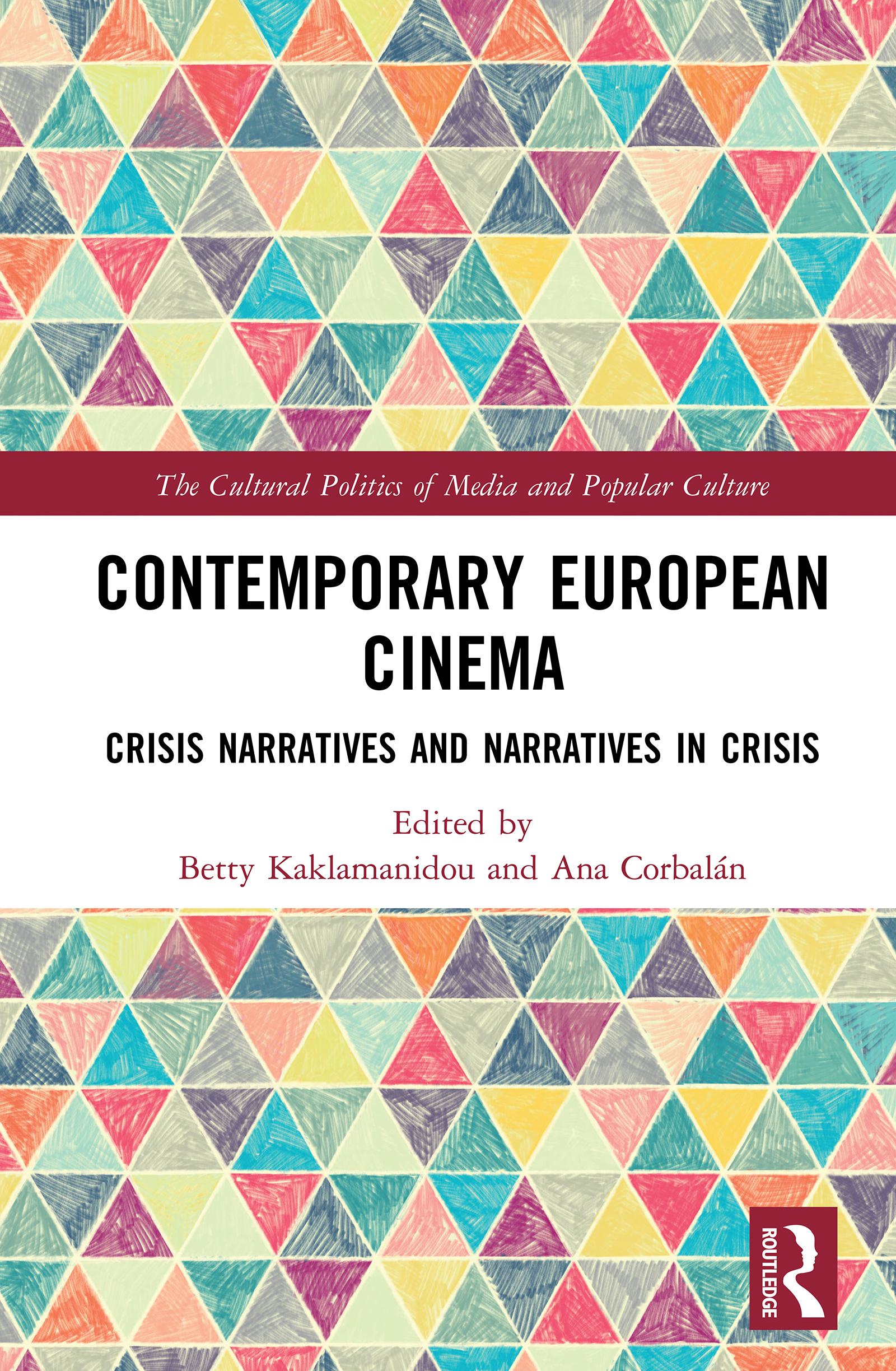
This book offers a range of accounts of the state of "European Cinema" in a specific sociopolitical era: that of the global economic crisis that began in 2008 and the more recent refugee and humanitarian crisis. With the recession having become a popular theme of economic, demographic, and sociological research in recent years, this volume examines representations of the crisis and its attendant market instability and mistrust of neoliberal political systems in film. It thus sheds light on the mediation, reimagination, and reformulation of recent history in the depiction of personal, cultural, and political memories, and raises new questions about crisis narratives in European film, asking whether the theoretical notion of "national" cinema is less or more powerful during moments of sociopolitical turbulence, and investigating the kinds of cultural representations and themes that characterize the narratives of European documentary and fictional films from both small and large national markets.
Payez facilement par carte, Klarna, Apple Pay ou Google Pay. Pas satisfait ? Vous avez toujours une garantie de remboursement de 14 jours. En savoir plus dans nos conditions. Si vous avez des questions, envoyez-nous un e-mail à hello@memmo.org.
Memmo facilite tes études, où que tu sois dans le monde. On rassemble tes manuels de cours et des outils d'étude intelligents au même endroit : résumés, quiz, podcasts et flashcards. Et il y a Ted, ton compagnon d'étude qui répond à toutes tes questions. Plus de 50 000 étudiants étudient déjà ici – conçu pour t'aider à apprendre plus vite et à moins stresser.