
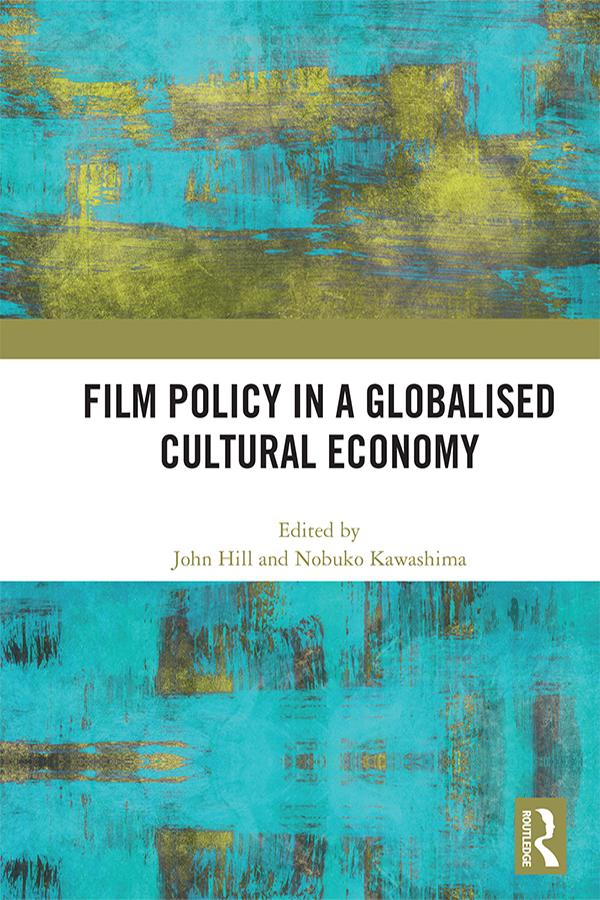
The past two decades have witnessed major changes in film industries worldwide in response to both economic globalisation and technological developments. The dominant position of Hollywood movies in the global film market has remained largely uncontested, but Hollywood itself has become increasingly international in its operations whilst ‘regional’ screen industries such as those in East Asia and in the Indian subcontinent have (re-)emerged and developed new forms of collaboration. The advent of digital technologies has also transformed the content of films and the ways in which they are made and consumed. Such changes, in turn, have posed new economic and cultural challenges for policy-makers around the world and led to a degree of rethinking of how film policy objectives are to be conceived, defined and implemented.
This collection brings together a range of international scholars from the USA, Europe and Asia to consider how film policy has responded to the various economic, technological and political shifts shaping the global film industry; and to identify the many tensions between global and local, economic and cultural, and public and private policy objectives that have been the result of these changes. This book was originally published as a special issue of the International Journal of Cultural Policy.
Payez facilement par carte, Klarna, Apple Pay ou Google Pay. Pas satisfait ? Vous avez toujours une garantie de remboursement de 14 jours. En savoir plus dans nos conditions. Si vous avez des questions, envoyez-nous un e-mail à hello@memmo.org.
Memmo facilite tes études, où que tu sois dans le monde. On rassemble tes manuels de cours et des outils d'étude intelligents au même endroit : résumés, quiz, podcasts et flashcards. Et il y a Ted, ton compagnon d'étude qui répond à toutes tes questions. Plus de 50 000 étudiants étudient déjà ici – conçu pour t'aider à apprendre plus vite et à moins stresser.