
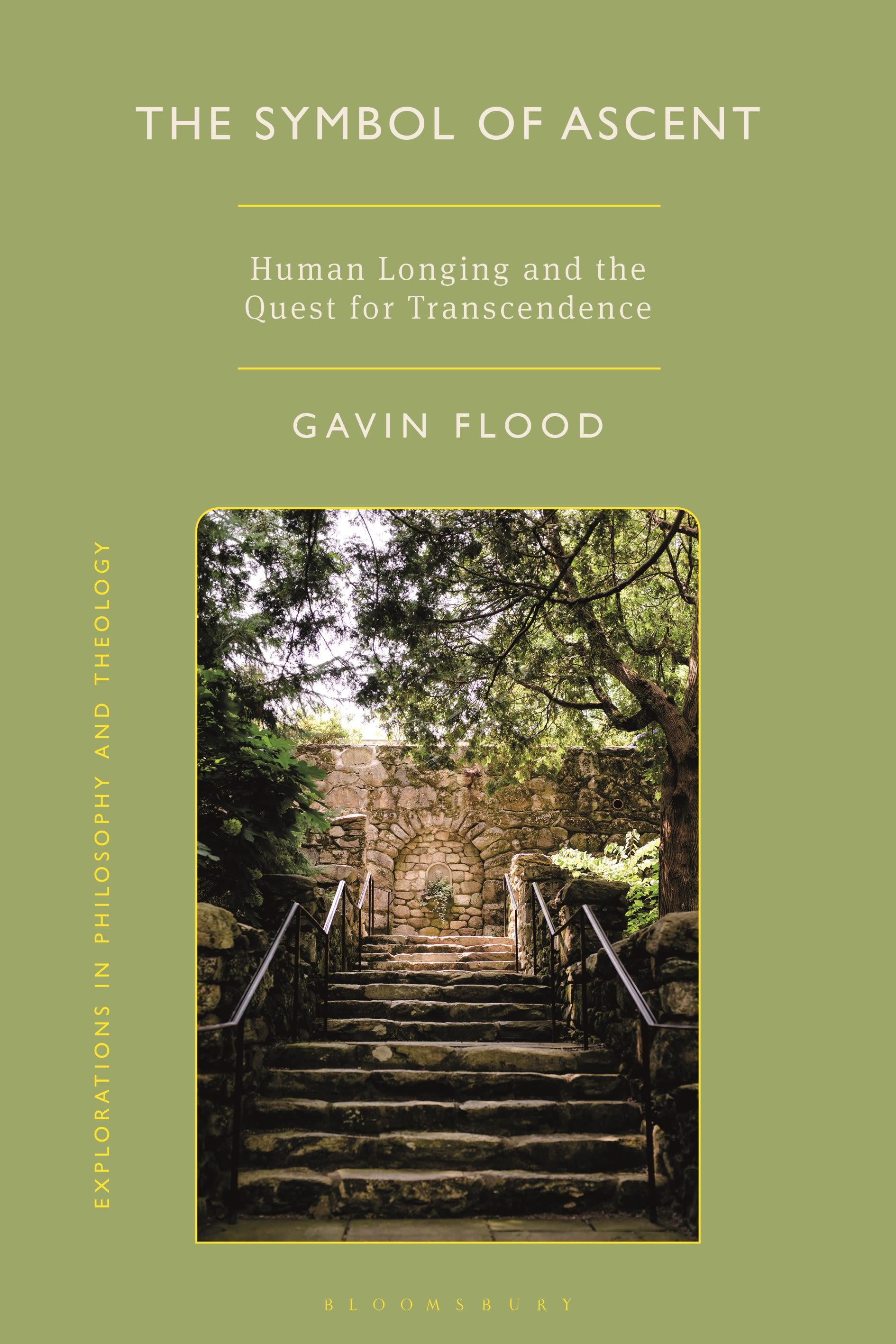
Taking a phenomenological approach, Gavin Flood explores the symbol of ascent in Christianity and south Asian religions, and uncovers its significance as a cultural idea that is both transcendent and rooted in the world.
Throughout history civilizations have believed there is a spiritual reality beyond this universe and that the purpose of life is to realize this truth. This has been expressed in the symbol of ascent, a metaphoric and artistic representation of a hierarchy of levels through which the soul ascends to a transcendent reality at the peak of the cosmos. This book charts the history of this idea in Christianity and south Asian religions, including Hinduism, Buddhism and Jainism. It also examines the wider cultural importance of the symbol through numerous literary case studies, from Dante and Golding to the Upanishads and the poetry of North Indian Saints such as Mirabai and Namdev.
Outlining and employing the theology/phenomenology debate, The Symbol of Ascent in Christianity and South Asian Religions further asks whether ascent is transcendent or of this world, and moreover whether phenomenology should be concerned with the former. To answer this question it engages numerous interlocutors, including Abhinavagupta, Plato, Kant, Hegel, Nietzsche and Brentano, as well as Jane Bennett's new materialism and Françoise d'Eaubonne's ecofeminism. Flood argues ultimately that ascent is at the interface of theology and phenomenology as it contains both a philosophy of the sign and a philosophy of consciousness.
Crossing centuries and continents, this phenomenological study reveals how ascent has been a central theme to understanding human reality, a theme that Flood proposes will continue to be relevant, as post- and trans-human philosophies seek transcendence of the limited human to the unlimited, AI-enhanced one we now know possible.
Throughout history civilizations have believed there is a spiritual reality beyond this universe and that the purpose of life is to realize this truth. This has been expressed in the symbol of ascent, a metaphoric and artistic representation of a hierarchy of levels through which the soul ascends to a transcendent reality at the peak of the cosmos. This book charts the history of this idea in Christianity and south Asian religions, including Hinduism, Buddhism and Jainism. It also examines the wider cultural importance of the symbol through numerous literary case studies, from Dante and Golding to the Upanishads and the poetry of North Indian Saints such as Mirabai and Namdev.
Outlining and employing the theology/phenomenology debate, The Symbol of Ascent in Christianity and South Asian Religions further asks whether ascent is transcendent or of this world, and moreover whether phenomenology should be concerned with the former. To answer this question it engages numerous interlocutors, including Abhinavagupta, Plato, Kant, Hegel, Nietzsche and Brentano, as well as Jane Bennett's new materialism and Françoise d'Eaubonne's ecofeminism. Flood argues ultimately that ascent is at the interface of theology and phenomenology as it contains both a philosophy of the sign and a philosophy of consciousness.
Crossing centuries and continents, this phenomenological study reveals how ascent has been a central theme to understanding human reality, a theme that Flood proposes will continue to be relevant, as post- and trans-human philosophies seek transcendence of the limited human to the unlimited, AI-enhanced one we now know possible.
Pages: 264
Catégorie: Religion & Teologi
e-ISBN: 9781350539907
Poids d'expédition: 1.2 kg
Expédié sous: 1-2 jours
Payez facilement par carte, Klarna, Apple Pay ou Google Pay. Pas satisfait ? Vous avez toujours une garantie de remboursement de 14 jours. En savoir plus dans nos conditions. Si vous avez des questions, envoyez-nous un e-mail à hello@memmo.org.
Memmo facilite tes études, où que tu sois dans le monde. On rassemble tes manuels de cours et des outils d'étude intelligents au même endroit : résumés, quiz, podcasts et flashcards. Et il y a Ted, ton compagnon d'étude qui répond à toutes tes questions. Plus de 50 000 étudiants étudient déjà ici – conçu pour t'aider à apprendre plus vite et à moins stresser.