
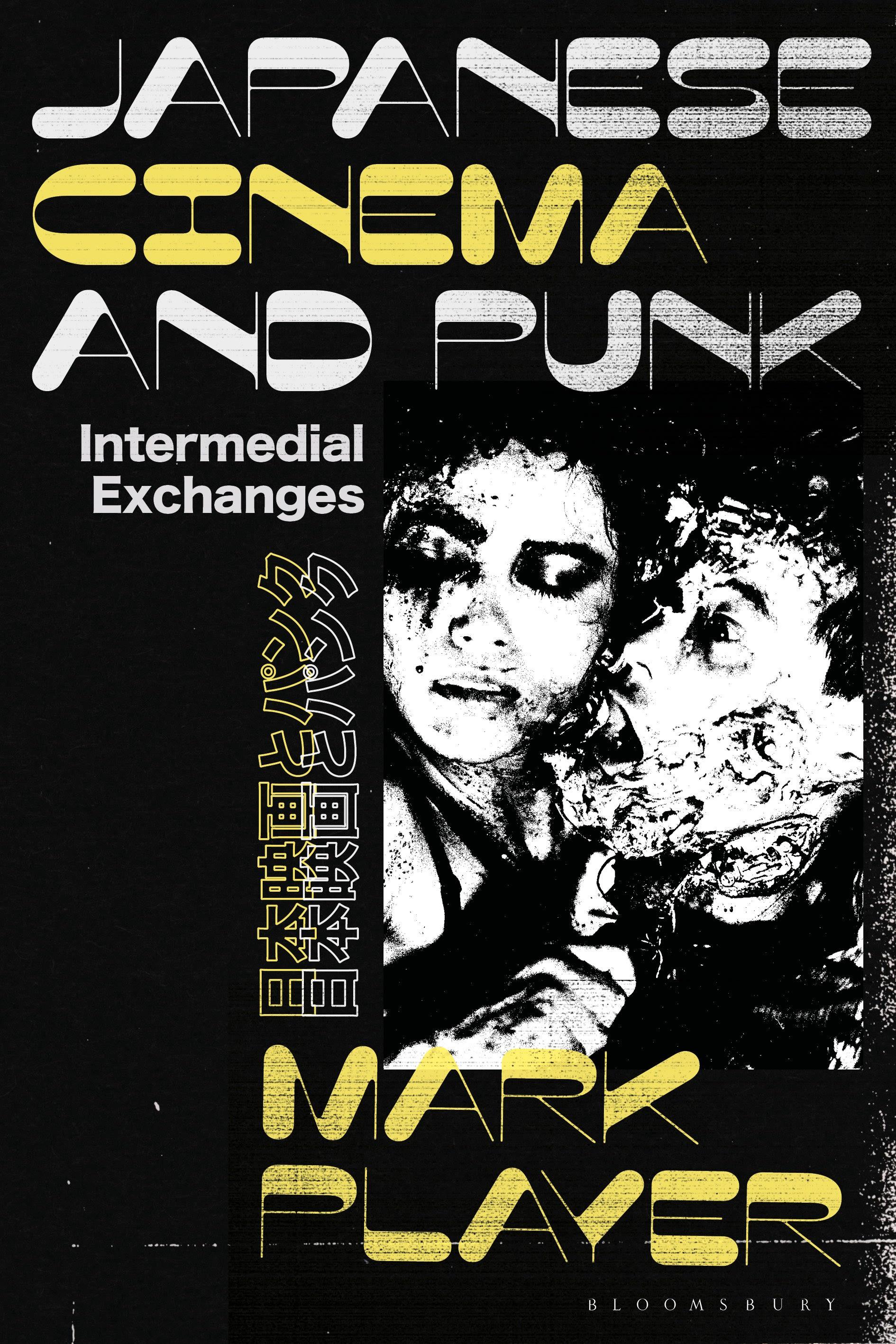
In Japanese Cinema and Punk, Mark Player examines how the do-it-yourself ethos of punk empowered a new generation of Japanese filmmakers during a period of crisis and change in Japan's film industry.
Drawing on rare materials and first-hand interviews with key figures from the jishu eiga (self-made film)
tradition, including Ishii Gakuryu (formerly Ishii Sogo), Yamamoto Masashi, Tsukamoto Shin'ya, and Fukui Shozin, Player explores how punk's bricolage style was leveraged to create exciting intermedial film aesthetics. These aesthetics were influenced by rock music, graffiti art, street performance, handmade animation, television, and other mass media.
By considering the practical, phenomenological, and political ramifications of combining diverse media elements, Player offers in-depth analyses of films such as Burst City (1982), Robinson's Garden (1987), Tetsuo: The Iron Man (1989), and more. He further traces the changing sociocultural position of Japan's punk generation throughout the 1980s-from its euphoric early-80s peak to the growing disillusionment caused by its mainstream co-optation and convergence.
Drawing on rare materials and first-hand interviews with key figures from the jishu eiga (self-made film)
tradition, including Ishii Gakuryu (formerly Ishii Sogo), Yamamoto Masashi, Tsukamoto Shin'ya, and Fukui Shozin, Player explores how punk's bricolage style was leveraged to create exciting intermedial film aesthetics. These aesthetics were influenced by rock music, graffiti art, street performance, handmade animation, television, and other mass media.
By considering the practical, phenomenological, and political ramifications of combining diverse media elements, Player offers in-depth analyses of films such as Burst City (1982), Robinson's Garden (1987), Tetsuo: The Iron Man (1989), and more. He further traces the changing sociocultural position of Japan's punk generation throughout the 1980s-from its euphoric early-80s peak to the growing disillusionment caused by its mainstream co-optation and convergence.
Payez facilement par carte, Klarna, Apple Pay ou Google Pay. Pas satisfait ? Vous avez toujours une garantie de remboursement de 14 jours. En savoir plus dans nos conditions. Si vous avez des questions, envoyez-nous un e-mail à hello@memmo.org.
Memmo facilite tes études, où que tu sois dans le monde. On rassemble tes manuels de cours et des outils d'étude intelligents au même endroit : résumés, quiz, podcasts et flashcards. Et il y a Ted, ton compagnon d'étude qui répond à toutes tes questions. Plus de 50 000 étudiants étudient déjà ici – conçu pour t'aider à apprendre plus vite et à moins stresser.