
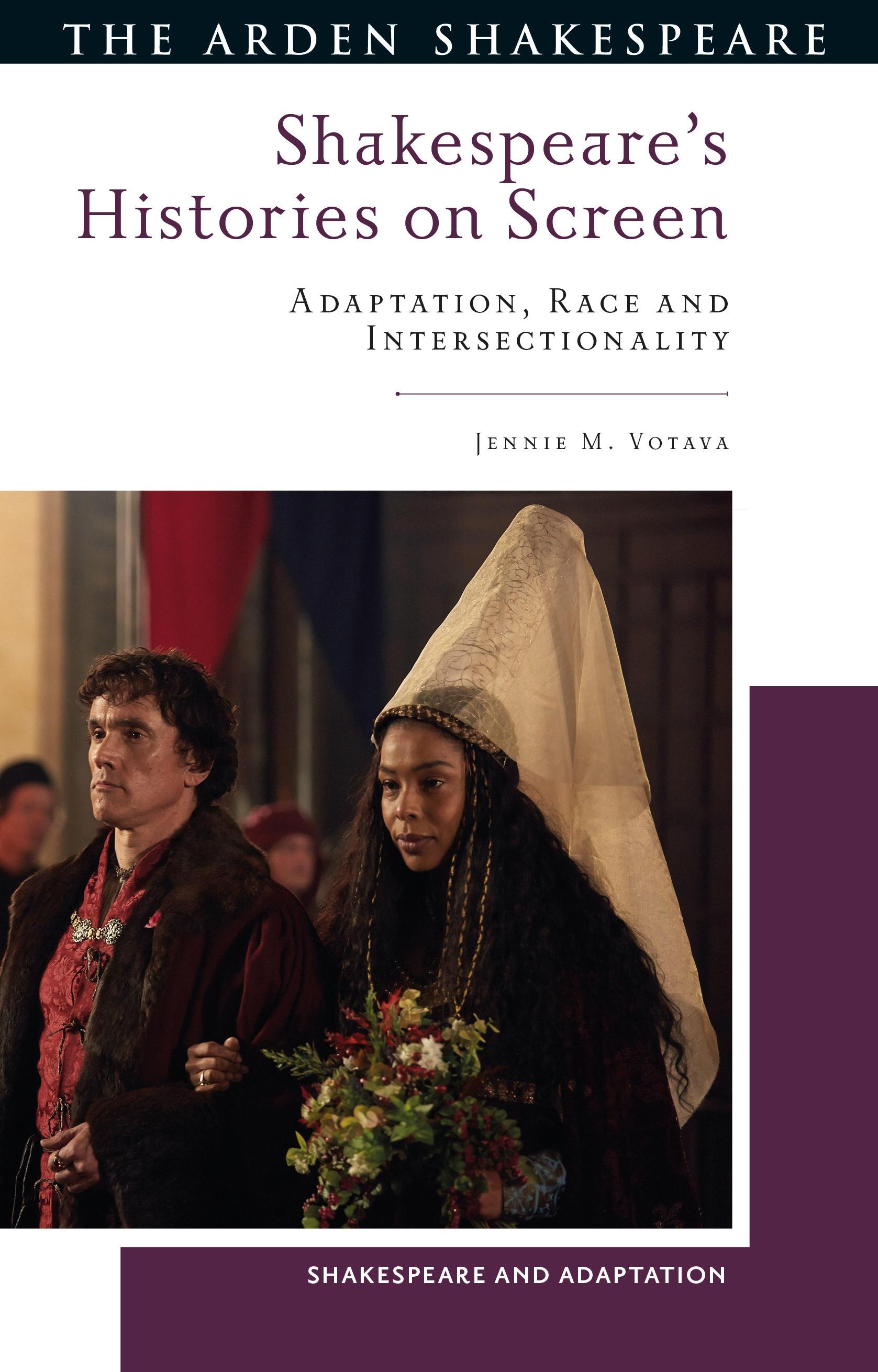
This volume reframes the critical conversation about Shakespeare's histories and national identity by bringing together two growing bodies of work: early modern race scholarship and adaptation theory. Theorizing a link between adaptation and intersectionality, it demonstrates how over the past thirty years race has become a central and constitutive part of British and American screen adaptations of the English histories. Available to expanding audiences via digital media platforms, these adaptations interrogate the dialectic between Shakespeare's cultural capital and racial reckonings on both sides of the Atlantic and across time. By engaging contemporary representations of race, ethnicity, gender, sexuality, disability and class, adaptation not only creates artefacts that differ from their source texts, but also facilitates the conditions in which race and its intersections in the plays become visible.
At the centre of this analysis stand two landmark 21st-century history adaptations that use non-traditional casting: the British TV miniseries The Hollow Crown (2012, 2016) and the American independent film H4 (2012), an all-Black Henry IV conflation. In addition to demonstrating how the 21st-century screen history illuminates both past and present constructions of embodied difference, these works provide a lens for reassessing two history adaptations from Shakespeare's 1990s box office renaissance, when actors of colour were first cast in cinematic versions of the plays. As exemplified by these formal adaptations' reappropriations of race in history, non-traditional Shakespearean casting practices are also currently shaping digital culture's conversations about race in non-Shakespearean period dramas such as Bridgerton.
At the centre of this analysis stand two landmark 21st-century history adaptations that use non-traditional casting: the British TV miniseries The Hollow Crown (2012, 2016) and the American independent film H4 (2012), an all-Black Henry IV conflation. In addition to demonstrating how the 21st-century screen history illuminates both past and present constructions of embodied difference, these works provide a lens for reassessing two history adaptations from Shakespeare's 1990s box office renaissance, when actors of colour were first cast in cinematic versions of the plays. As exemplified by these formal adaptations' reappropriations of race in history, non-traditional Shakespearean casting practices are also currently shaping digital culture's conversations about race in non-Shakespearean period dramas such as Bridgerton.
Payez facilement par carte, Klarna, Apple Pay ou Google Pay. Pas satisfait ? Vous avez toujours une garantie de remboursement de 14 jours. En savoir plus dans nos conditions. Si vous avez des questions, envoyez-nous un e-mail à hello@memmo.org.
Memmo facilite tes études, où que tu sois dans le monde. On rassemble tes manuels de cours et des outils d'étude intelligents au même endroit : résumés, quiz, podcasts et flashcards. Et il y a Ted, ton compagnon d'étude qui répond à toutes tes questions. Plus de 50 000 étudiants étudient déjà ici – conçu pour t'aider à apprendre plus vite et à moins stresser.