
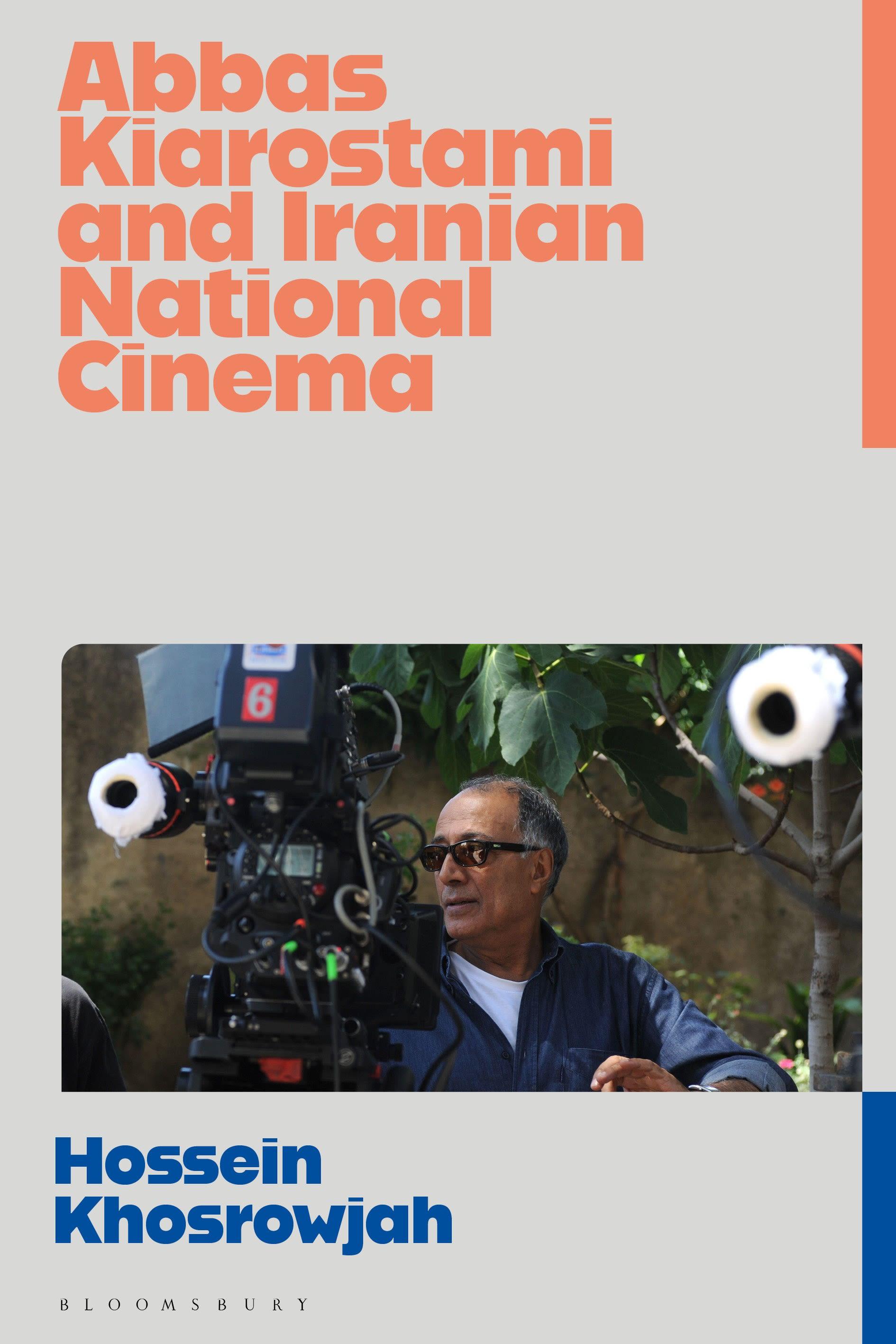
The films of Abbas Kiarostami (1940-2016) are at once ambiguous and singular, challenging easy categorisation in national, generic, and formal terms. In this insightful study, Hossein Khosrowjah provides an in-depth exploration of Kiarostami's body of work, considering how his filmmaking confronts questions of cinematic representation, identity, and the myth of national unity.
Challenging prevailing auteurist readings of Kiarostami's work, Hossein Khosrowjah firmly anchors his filmmaking within the historical context of Iranian national cinema. Through a close reading of key films, including Close-Up (1990), Taste of Cherry (1997), The Wind Will Carry Us (1999), and 10 (2002), he explores Kiarostami's radically anti-allegorical representational strategies. He goes on to examine the national and global circulation of his films, considering the role of censorship within Iran and the intersection of art, politics and the complexities of creative freedom.
He traces the continuing emphasis on partiality and the singularity of representations-of subjects, time, and location-across Kiarostami's films, arguing that it is through this intentional ambiguity that his cinema reshapes notions of nation and national identity, challenges conventions and broadens the scope for cinematic expression.
Challenging prevailing auteurist readings of Kiarostami's work, Hossein Khosrowjah firmly anchors his filmmaking within the historical context of Iranian national cinema. Through a close reading of key films, including Close-Up (1990), Taste of Cherry (1997), The Wind Will Carry Us (1999), and 10 (2002), he explores Kiarostami's radically anti-allegorical representational strategies. He goes on to examine the national and global circulation of his films, considering the role of censorship within Iran and the intersection of art, politics and the complexities of creative freedom.
He traces the continuing emphasis on partiality and the singularity of representations-of subjects, time, and location-across Kiarostami's films, arguing that it is through this intentional ambiguity that his cinema reshapes notions of nation and national identity, challenges conventions and broadens the scope for cinematic expression.
Pages: 240
Catégorie: Film- & Medievetenskap
e-ISBN: 9781350274372
Poids d'expédition: 1.2 kg
Expédié sous: 1-2 jours
Payez facilement par carte, Klarna, Apple Pay ou Google Pay. Pas satisfait ? Vous avez toujours une garantie de remboursement de 14 jours. En savoir plus dans nos conditions. Si vous avez des questions, envoyez-nous un e-mail à hello@memmo.org.
Memmo facilite tes études, où que tu sois dans le monde. On rassemble tes manuels de cours et des outils d'étude intelligents au même endroit : résumés, quiz, podcasts et flashcards. Et il y a Ted, ton compagnon d'étude qui répond à toutes tes questions. Plus de 50 000 étudiants étudient déjà ici – conçu pour t'aider à apprendre plus vite et à moins stresser.