
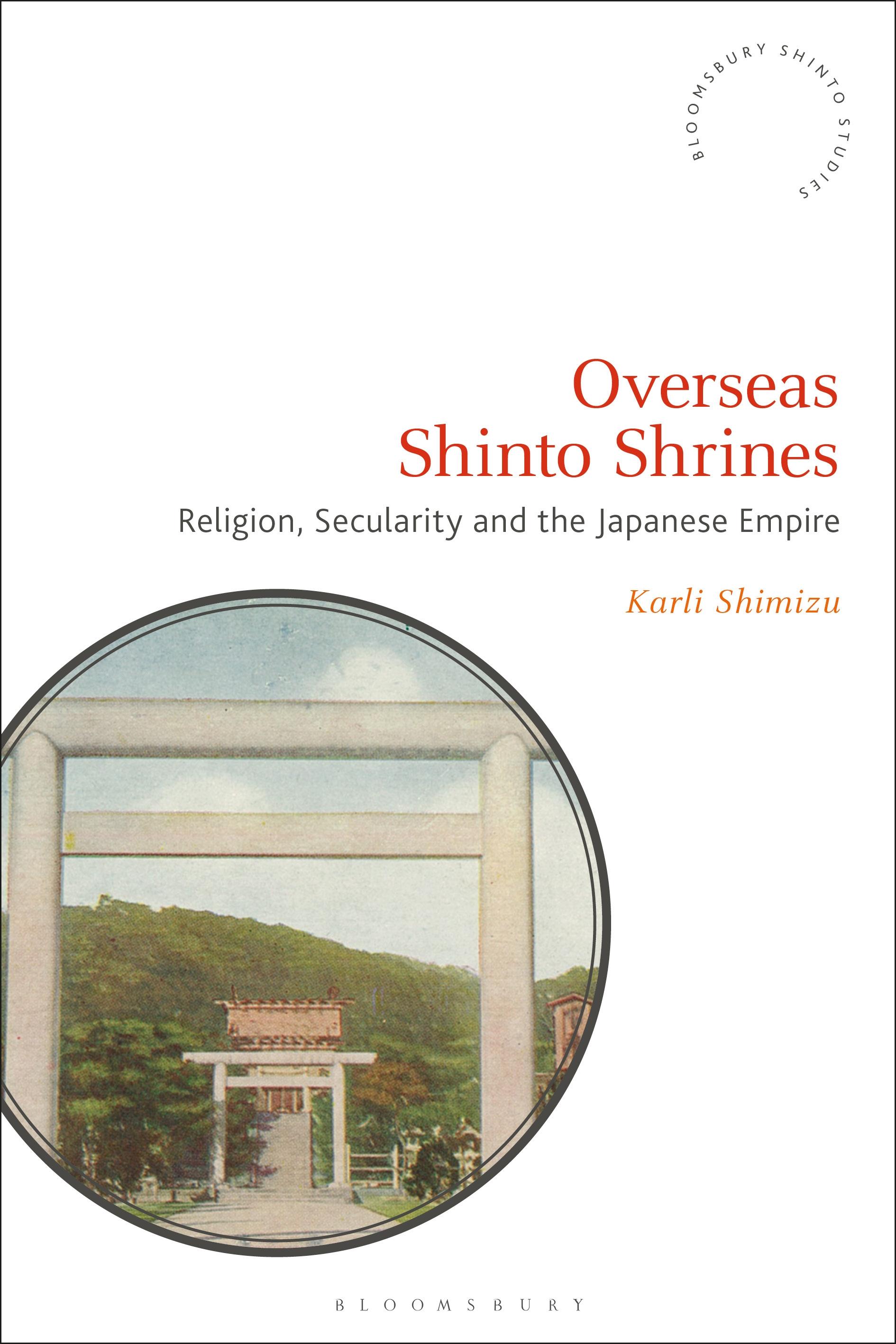
Through extensive use of primary resources and fieldwork, this detailed study examines overseas Shinto shrines and their complex role in the colonization and modernization of newly Japanese lands and subjects.
Shinto shrines became one of the most visible symbols of Japanese imperialism in the early 20th century. From 1868 to 1945, shrines were constructed by both the government and Japanese migrants across the Asia-Pacific region, from Sakhalin to Taiwan, and from China to the Americas. Drawing on theories about the constructed nature of the modern categories of 'religion' and the 'secular', this book argues that modern Shinto shrines were largely conceived and treated as secular sites within a newly invented Japanese secularism, and that they played an important role in communicating changed conceptions of space, time and ethics in imperial subjects.
Providing an example of the invention of a non-Western secularity, this book contributes to our understanding of the relationship between religion, secularism and the construction of the modern state.
Shinto shrines became one of the most visible symbols of Japanese imperialism in the early 20th century. From 1868 to 1945, shrines were constructed by both the government and Japanese migrants across the Asia-Pacific region, from Sakhalin to Taiwan, and from China to the Americas. Drawing on theories about the constructed nature of the modern categories of 'religion' and the 'secular', this book argues that modern Shinto shrines were largely conceived and treated as secular sites within a newly invented Japanese secularism, and that they played an important role in communicating changed conceptions of space, time and ethics in imperial subjects.
Providing an example of the invention of a non-Western secularity, this book contributes to our understanding of the relationship between religion, secularism and the construction of the modern state.
Payez facilement par carte, Klarna, Apple Pay ou Google Pay. Pas satisfait ? Vous avez toujours une garantie de remboursement de 14 jours. En savoir plus dans nos conditions. Si vous avez des questions, envoyez-nous un e-mail à hello@memmo.org.
Memmo facilite tes études, où que tu sois dans le monde. On rassemble tes manuels de cours et des outils d'étude intelligents au même endroit : résumés, quiz, podcasts et flashcards. Et il y a Ted, ton compagnon d'étude qui répond à toutes tes questions. Plus de 50 000 étudiants étudient déjà ici – conçu pour t'aider à apprendre plus vite et à moins stresser.