
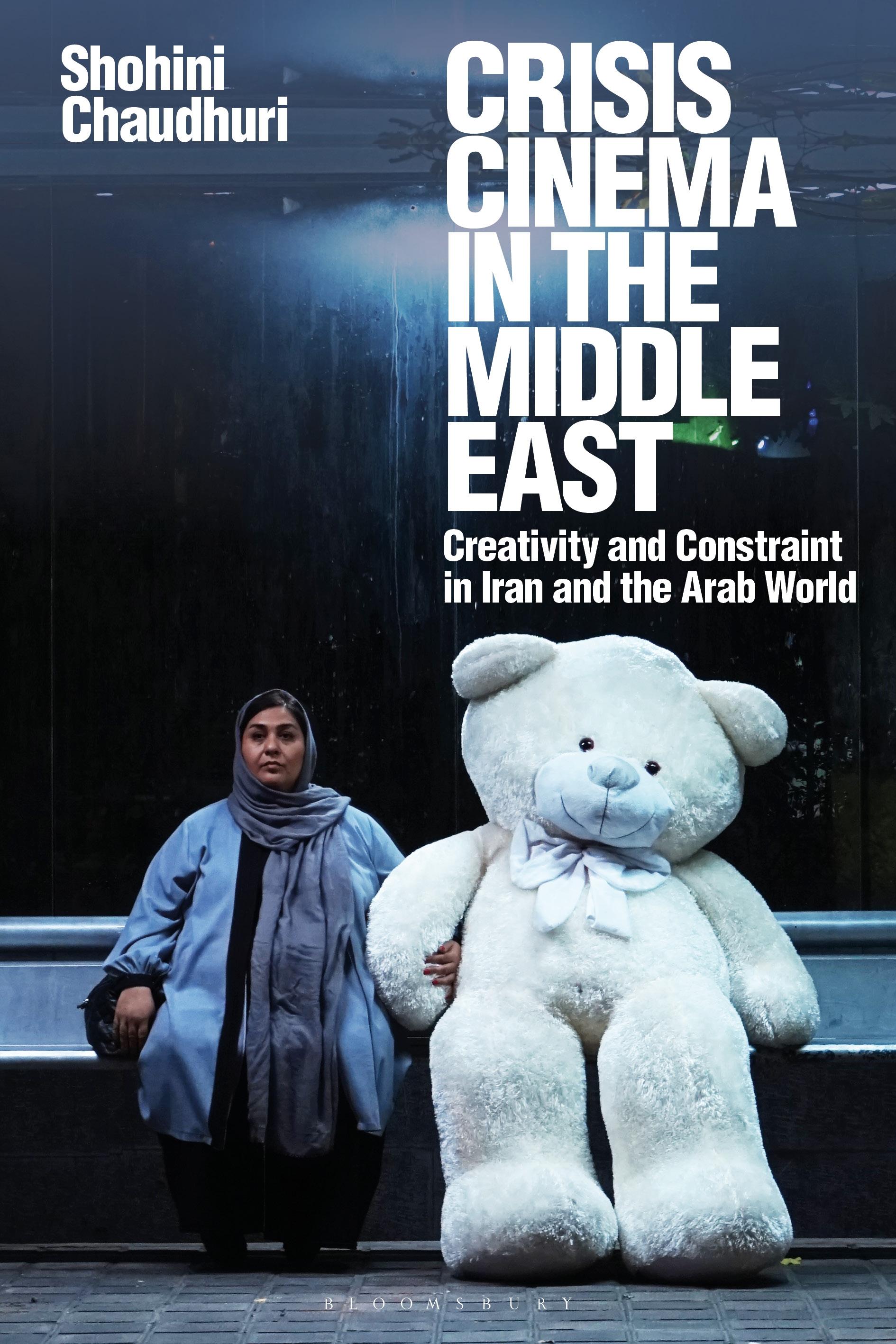
In recent years, the Arab world and Iran have been afflicted by cataclysmic events, among them brutal state crackdowns of revolutions. Yet, filmmakers have persisted in their desire to tell their stories, against the odds, in creative acts that attest to their imagination, courage and resilience.
In this book, Shohini Chaudhuri examines a broad range of films made during the tumultuous period since 2009, ranging from internationally award-winning festival favourites, such as For Sama (2019), Capernaum (2018) and Taxi Tehran (2015), to lesser-known films from the region. While freedom of expression is often understood through the lens of state censorship, she reveals the different types of obstacles that filmmakers face and their strategies for overcoming them so that those constraints are transformed into creative opportunities. Using her original interviews with filmmakers such as Waad al-Kateab, Yasmin Fedda, Larissa Sansour, Mani Haghighi and Ossama Mohammed, she identifies nine creative strategies for producing work under conditions of crisis.
Chaudhuri argues that creativity is indelibly shaped by constraints, whether these are externally imposed by existing materials, funding and socio-political conditions, or self-imposed constraints, through choices of genre or acceptance of rules and responsibilities.She shows that the range of creative strategies emanating from the region is much wider than allegory and becoming ever more direct. She thus opens up new lines of inquiry into cinematic creativity in sites of conflict and crisis in the Middle East and beyond.
In this book, Shohini Chaudhuri examines a broad range of films made during the tumultuous period since 2009, ranging from internationally award-winning festival favourites, such as For Sama (2019), Capernaum (2018) and Taxi Tehran (2015), to lesser-known films from the region. While freedom of expression is often understood through the lens of state censorship, she reveals the different types of obstacles that filmmakers face and their strategies for overcoming them so that those constraints are transformed into creative opportunities. Using her original interviews with filmmakers such as Waad al-Kateab, Yasmin Fedda, Larissa Sansour, Mani Haghighi and Ossama Mohammed, she identifies nine creative strategies for producing work under conditions of crisis.
Chaudhuri argues that creativity is indelibly shaped by constraints, whether these are externally imposed by existing materials, funding and socio-political conditions, or self-imposed constraints, through choices of genre or acceptance of rules and responsibilities.She shows that the range of creative strategies emanating from the region is much wider than allegory and becoming ever more direct. She thus opens up new lines of inquiry into cinematic creativity in sites of conflict and crisis in the Middle East and beyond.
Payez facilement par carte, Klarna, Apple Pay ou Google Pay. Pas satisfait ? Vous avez toujours une garantie de remboursement de 14 jours. En savoir plus dans nos conditions. Si vous avez des questions, envoyez-nous un e-mail à hello@memmo.org.
Memmo facilite tes études, où que tu sois dans le monde. On rassemble tes manuels de cours et des outils d'étude intelligents au même endroit : résumés, quiz, podcasts et flashcards. Et il y a Ted, ton compagnon d'étude qui répond à toutes tes questions. Plus de 50 000 étudiants étudient déjà ici – conçu pour t'aider à apprendre plus vite et à moins stresser.