
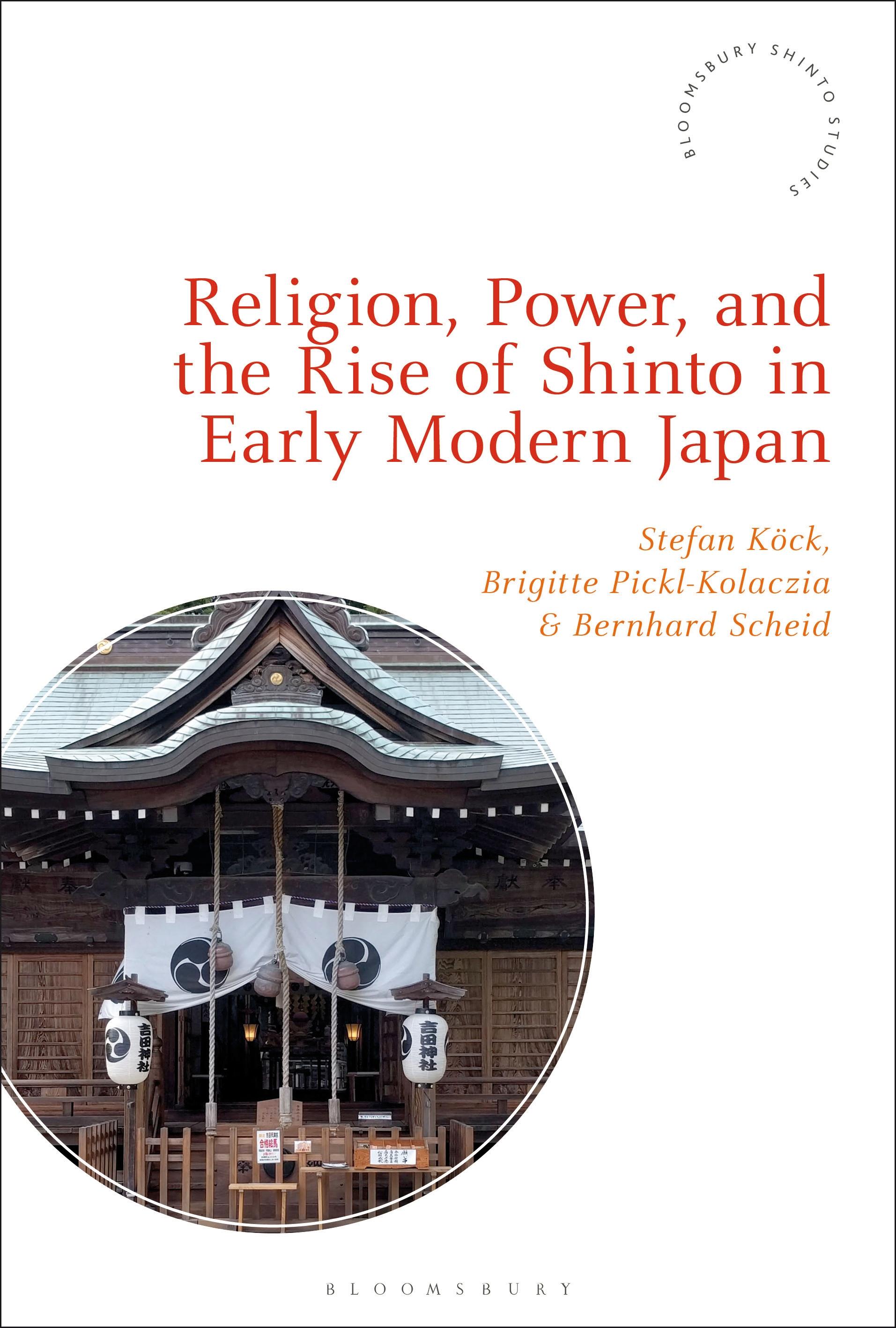
This book sheds new light on the relationship between religion and state in early modern Japan, and demonstrates the growing awareness of Shinto in both the political and the intellectual elite of Tokugawa Japan, even though Buddhism remained the privileged means of stately religious control.
The first part analyses how the Tokugawa government aimed to control the populace via Buddhism and at the same time submitted Buddhism to the sacralization of the Tokugawa dynasty. The second part focuses on the religious protests throughout the entire period, with chapters on the suppression of Christians, heterodox Buddhist sects, and unwanted folk practitioners. The third part tackles the question of why early Tokugawa Confucianism was particularly interested in “Shinto” as an alternative to Buddhism and what “Shinto” actually meant from a Confucian stance.
The final part of the book explores attempts to curtail the institutional power of Buddhism by reforming Shinto shrines, an important step in the so called “Shintoization of shrines” including the development of a self-contained Shinto clergy.
The first part analyses how the Tokugawa government aimed to control the populace via Buddhism and at the same time submitted Buddhism to the sacralization of the Tokugawa dynasty. The second part focuses on the religious protests throughout the entire period, with chapters on the suppression of Christians, heterodox Buddhist sects, and unwanted folk practitioners. The third part tackles the question of why early Tokugawa Confucianism was particularly interested in “Shinto” as an alternative to Buddhism and what “Shinto” actually meant from a Confucian stance.
The final part of the book explores attempts to curtail the institutional power of Buddhism by reforming Shinto shrines, an important step in the so called “Shintoization of shrines” including the development of a self-contained Shinto clergy.
Pages: 304
Catégorie: Religion & Teologi
e-ISBN: 9781350181083
Poids d'expédition: 1.2 kg
Expédié sous: 1-2 jours
Payez facilement par carte, Klarna, Apple Pay ou Google Pay. Pas satisfait ? Vous avez toujours une garantie de remboursement de 14 jours. En savoir plus dans nos conditions. Si vous avez des questions, envoyez-nous un e-mail à hello@memmo.org.
Memmo facilite tes études, où que tu sois dans le monde. On rassemble tes manuels de cours et des outils d'étude intelligents au même endroit : résumés, quiz, podcasts et flashcards. Et il y a Ted, ton compagnon d'étude qui répond à toutes tes questions. Plus de 50 000 étudiants étudient déjà ici – conçu pour t'aider à apprendre plus vite et à moins stresser.