
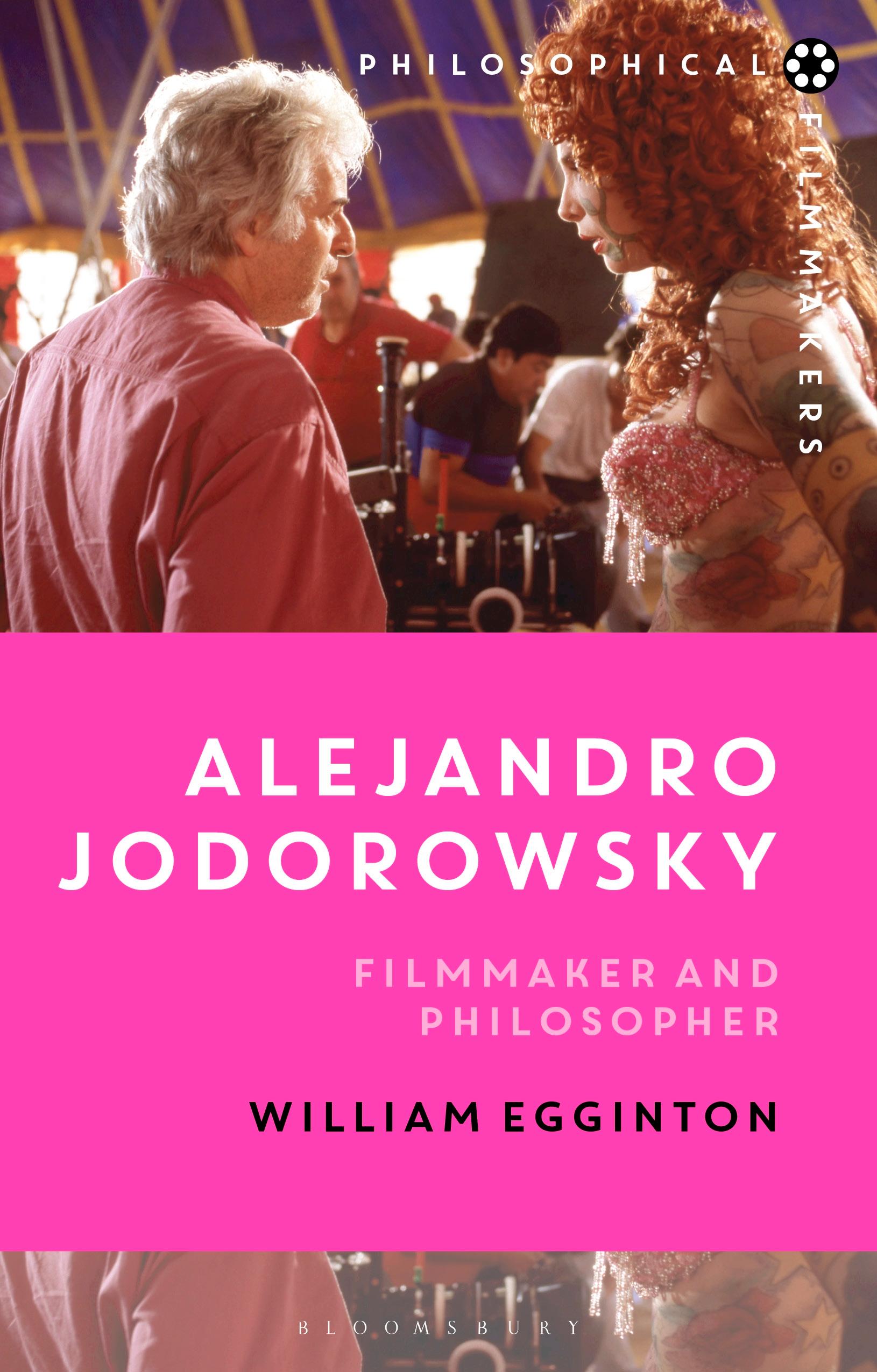
Alejandro Jodorowsky is a force of nature. At 90 years old he is still making films and is a cultural phenomenon who has influenced other artists as disparate as John Waters and Yoko Ono. Although his body of work has long been considered disjointed and random, William Egginton claims that Jodorowsky's writings, theatre work and mime, and his films, along with the therapeutic practice he calls psychomagic, can all be tied together to form the philosophical programme that underpins his films.
Incorporating surrealism and thinkers including Lacan, Kant, Hegel, and Žižek into his interpretation of Jodorowsky's work, Egginton shows how his diverse films are connected by interpretive practices with a fundamental similarity to Lacanian psychoanalysis. Using case studies of Jodorowsky's cult films, El Topo, Fando y Lis and Holy Mountain and more, this book provides a unique perspective on a filmmaker whose work has been notoriously difficult to analyse.
Incorporating surrealism and thinkers including Lacan, Kant, Hegel, and Žižek into his interpretation of Jodorowsky's work, Egginton shows how his diverse films are connected by interpretive practices with a fundamental similarity to Lacanian psychoanalysis. Using case studies of Jodorowsky's cult films, El Topo, Fando y Lis and Holy Mountain and more, this book provides a unique perspective on a filmmaker whose work has been notoriously difficult to analyse.
Payez facilement par carte, Klarna, Apple Pay ou Google Pay. Pas satisfait ? Vous avez toujours une garantie de remboursement de 14 jours. En savoir plus dans nos conditions. Si vous avez des questions, envoyez-nous un e-mail à hello@memmo.org.
Memmo facilite tes études, où que tu sois dans le monde. On rassemble tes manuels de cours et des outils d'étude intelligents au même endroit : résumés, quiz, podcasts et flashcards. Et il y a Ted, ton compagnon d'étude qui répond à toutes tes questions. Plus de 50 000 étudiants étudient déjà ici – conçu pour t'aider à apprendre plus vite et à moins stresser.