
Shortlisted for the R. Gapper Book Prize 2020
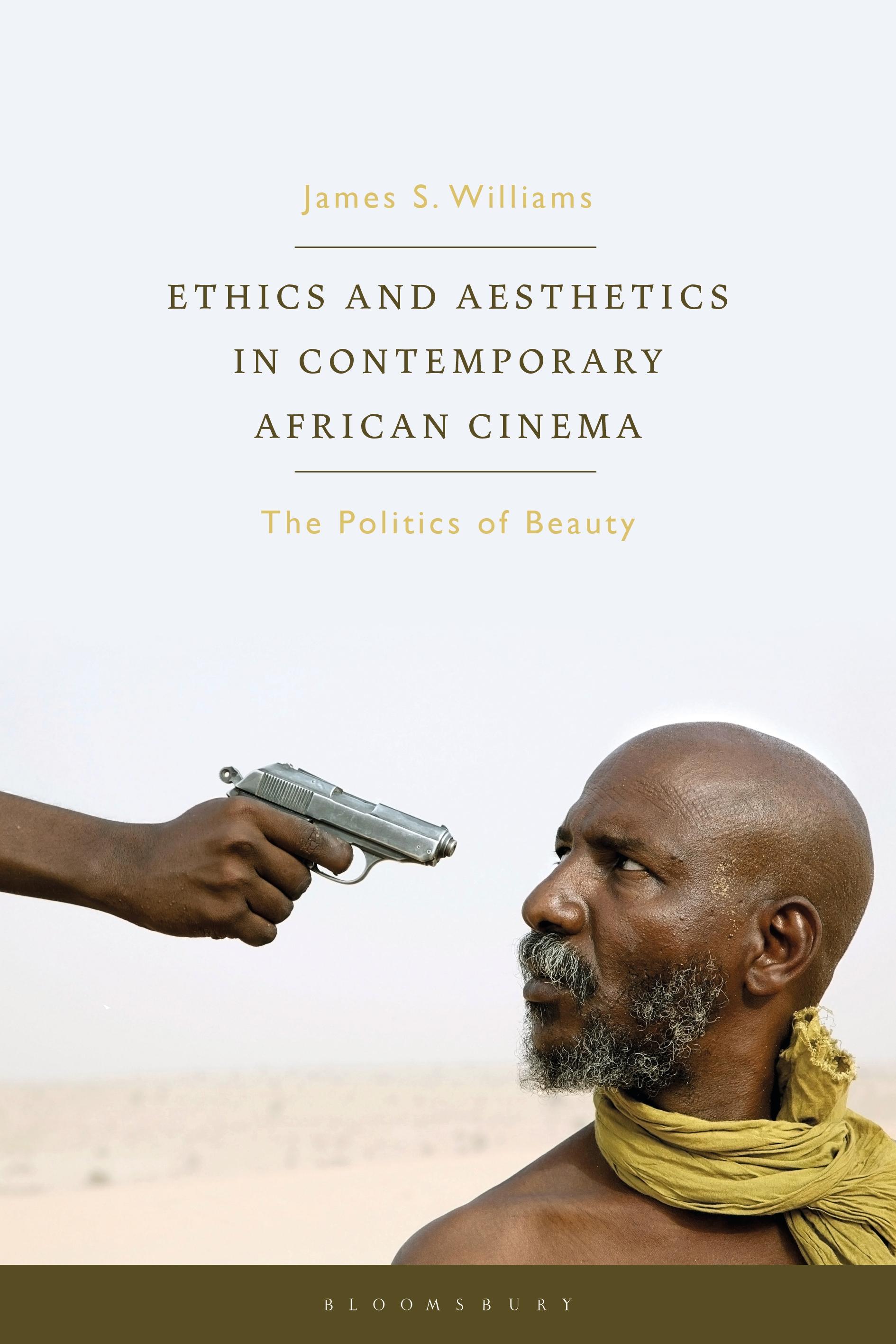
Since the beginnings of African cinema, the realm of beauty on screen has been treated with suspicion by directors and critics alike. James S. Williams explores an exciting new generation of African directors, including Abderrahmane Sissako, Mahamat-Saleh Haroun, Fanta Régina Nacro, Alain Gomis, Newton I. Aduaka, Jean-Pierre Bekolo and Mati Diop, who have begun to reassess and embrace the concept of cinematic beauty by not reducing it to ideological critique or the old ideals of pan-Africanism.
Locating the aesthetic within a range of critical fields - the rupturing of narrative spectacle and violence by montage, the archives of the everyday in the 'afropolis', the plurivocal mysteries of sound and language, male intimacy and desire, the borderzones of migration and transcultural drift - this study reveals the possibility for new, non-conceptual kinds of beauty in African cinema: abstract, material, migrant, erotic, convulsive, queer. Through close readings of key works such as Life on Earth (1998), The Night of Truth (2004), Bamako (2006), Daratt (Dry Season) (2006), A Screaming Man (2010), Tey (Today) (2012), The Pirogue (2012), Mille soleils (2013) and Timbuktu (2014), Williams argues that contemporary African filmmakers are proposing propitious, ethical forms of relationality and intersubjectivity. These stimulate new modes of cultural resistance and transformation that serve to redefine the transnational and the cosmopolitan as well as the very notion of the political in postcolonial art cinema.
Since the beginnings of African cinema, the realm of beauty on screen has been treated with suspicion by directors and critics alike. James S. Williams explores an exciting new generation of African directors, including Abderrahmane Sissako, Mahamat-Saleh Haroun, Fanta Régina Nacro, Alain Gomis, Newton I. Aduaka, Jean-Pierre Bekolo and Mati Diop, who have begun to reassess and embrace the concept of cinematic beauty by not reducing it to ideological critique or the old ideals of pan-Africanism.
Locating the aesthetic within a range of critical fields - the rupturing of narrative spectacle and violence by montage, the archives of the everyday in the 'afropolis', the plurivocal mysteries of sound and language, male intimacy and desire, the borderzones of migration and transcultural drift - this study reveals the possibility for new, non-conceptual kinds of beauty in African cinema: abstract, material, migrant, erotic, convulsive, queer. Through close readings of key works such as Life on Earth (1998), The Night of Truth (2004), Bamako (2006), Daratt (Dry Season) (2006), A Screaming Man (2010), Tey (Today) (2012), The Pirogue (2012), Mille soleils (2013) and Timbuktu (2014), Williams argues that contemporary African filmmakers are proposing propitious, ethical forms of relationality and intersubjectivity. These stimulate new modes of cultural resistance and transformation that serve to redefine the transnational and the cosmopolitan as well as the very notion of the political in postcolonial art cinema.
Pages: 376
Catégorie: Film- & Medievetenskap
e-ISBN: 9781350105065
Poids d'expédition: 1.2 kg
Expédié sous: 1-2 jours
Payez facilement par carte, Klarna, Apple Pay ou Google Pay. Pas satisfait ? Vous avez toujours une garantie de remboursement de 14 jours. En savoir plus dans nos conditions. Si vous avez des questions, envoyez-nous un e-mail à hello@memmo.org.
Memmo facilite tes études, où que tu sois dans le monde. On rassemble tes manuels de cours et des outils d'étude intelligents au même endroit : résumés, quiz, podcasts et flashcards. Et il y a Ted, ton compagnon d'étude qui répond à toutes tes questions. Plus de 50 000 étudiants étudient déjà ici – conçu pour t'aider à apprendre plus vite et à moins stresser.