
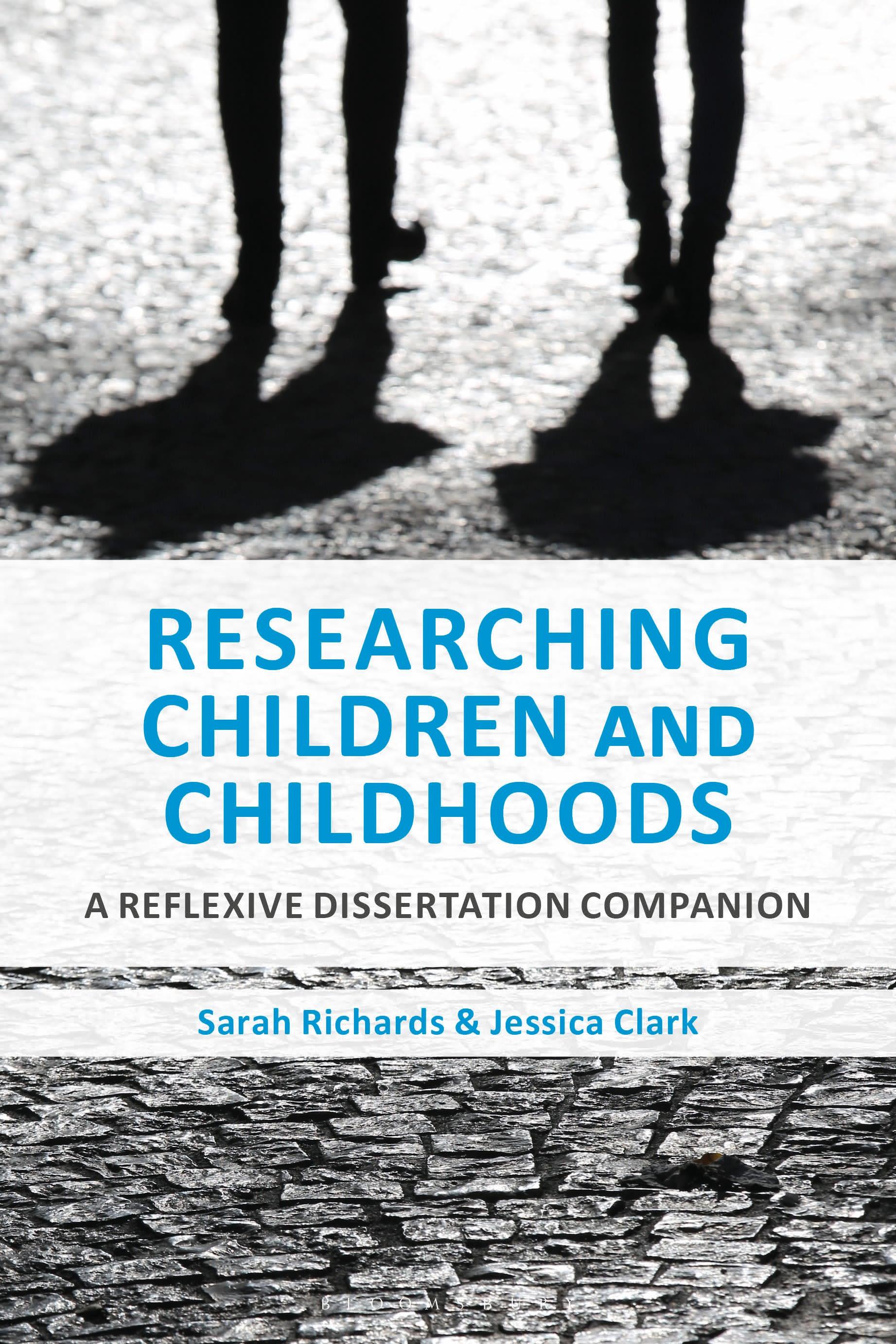
Junior researchers in the field of childhood studies are often faced with many challenges that accompany research with young participants. Methodological concepts, such as research relationships, positionality, self-disclosure and reflexivity can sometimes become subordinate to more practical and procedural concerns. Researching Children and Childhoods frames these themes not as problems but as opportunities to deepen and strengthen research discussions and analysis.
Providing students with a guide to support their ventures into research with children and young people, this book offers practical advice on writing a thesis/dissertation and will enable readers to:
- confidently reflect on the ethical issues embedded in their own projects and recognise them as opportunities for discussion within their dissertations or thesis
- demystify the role of methodologies and position them as essential tools for their research
- consider the efficacy of concepts such as agency, autonomy, participation, subjectivity, and voice as ways of understanding childhood and children's lived experiences
- use ideas such as positionality, self-disclosure and category entitlement to recognise the integral role of researcher identity and relationships in the construction of knowledge
- use 'I' authoritatively when writing about their own research without reducing content to descriptive, opinion based discussions
- situate their research by exploring the context in which the research takes place and the power relations embedded within participants and researcher relationships
Each chapter includes a variety of researcher experiences, vignette examples, and specific activities, aimed at applying the key themes represented in this volume into research dissertations.
Providing students with a guide to support their ventures into research with children and young people, this book offers practical advice on writing a thesis/dissertation and will enable readers to:
- confidently reflect on the ethical issues embedded in their own projects and recognise them as opportunities for discussion within their dissertations or thesis
- demystify the role of methodologies and position them as essential tools for their research
- consider the efficacy of concepts such as agency, autonomy, participation, subjectivity, and voice as ways of understanding childhood and children's lived experiences
- use ideas such as positionality, self-disclosure and category entitlement to recognise the integral role of researcher identity and relationships in the construction of knowledge
- use 'I' authoritatively when writing about their own research without reducing content to descriptive, opinion based discussions
- situate their research by exploring the context in which the research takes place and the power relations embedded within participants and researcher relationships
Each chapter includes a variety of researcher experiences, vignette examples, and specific activities, aimed at applying the key themes represented in this volume into research dissertations.
Payez facilement par carte, Klarna, Apple Pay ou Google Pay. Pas satisfait ? Vous avez toujours une garantie de remboursement de 14 jours. En savoir plus dans nos conditions. Si vous avez des questions, envoyez-nous un e-mail à hello@memmo.org.
Memmo facilite tes études, où que tu sois dans le monde. On rassemble tes manuels de cours et des outils d'étude intelligents au même endroit : résumés, quiz, podcasts et flashcards. Et il y a Ted, ton compagnon d'étude qui répond à toutes tes questions. Plus de 50 000 étudiants étudient déjà ici – conçu pour t'aider à apprendre plus vite et à moins stresser.