
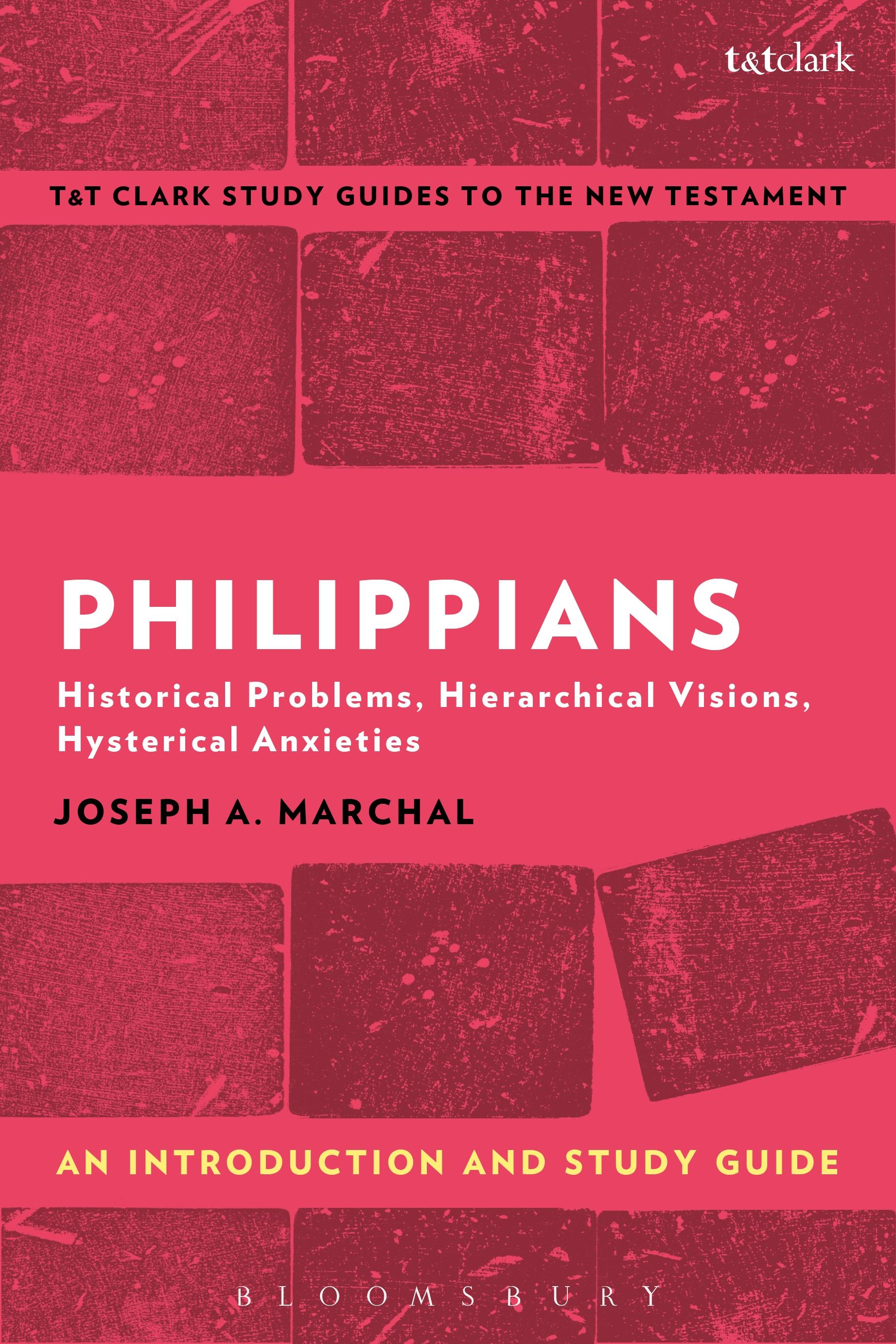
Relatively brief and seemingly unassuming, Philippians is frequently underestimated by its readers and users. This guide shows that what lies within this letter is much more complicated and dynamic than many expect.
After surveying the major historical problems and the methods scholars use to arrive at competing solutions, Marchal focuses on the letter's famous hymn of Christ-a rare glimpse into a tradition created by the community in Philippi, even earlier than Paul's letter. Given its impact and potential, the hymn deserves sustained attention, including its connections to slavery and other modes of social power.
Turning to the letter as a whole, Marchal asks how this letter fits with types of argumentation in Greco-Roman culture, moving then into a detailed sketch of the rhetorical patterns in the letter, from unity and sameness to hierarchy and modeling. Feminist and empire-critical approaches are presented alongside more traditional assumptions and ideas throughout, signaling how choices in approach and starting points have historically affected the scholarly visions and communal uses for Philippians.
In the final chapter the letter is put to a series of atypical uses, as the insights of queer theories are brought into surprising interaction with the arguments in the letter. Tarrying over unmentionable ideas and provocative moments that readers typically race past, this chapter takes the reader from the hierarchical heights of a cosmic Christ to the depths of excrement being emptied from the same body, from the arguments of waste to revealing asides about human waste and feminine lack. The performative power and possibilities of Paul's letters has never been stranger nor more subversive of the too often destructive and dehumanizing uses of biblical images, ideas and arguments.
After surveying the major historical problems and the methods scholars use to arrive at competing solutions, Marchal focuses on the letter's famous hymn of Christ-a rare glimpse into a tradition created by the community in Philippi, even earlier than Paul's letter. Given its impact and potential, the hymn deserves sustained attention, including its connections to slavery and other modes of social power.
Turning to the letter as a whole, Marchal asks how this letter fits with types of argumentation in Greco-Roman culture, moving then into a detailed sketch of the rhetorical patterns in the letter, from unity and sameness to hierarchy and modeling. Feminist and empire-critical approaches are presented alongside more traditional assumptions and ideas throughout, signaling how choices in approach and starting points have historically affected the scholarly visions and communal uses for Philippians.
In the final chapter the letter is put to a series of atypical uses, as the insights of queer theories are brought into surprising interaction with the arguments in the letter. Tarrying over unmentionable ideas and provocative moments that readers typically race past, this chapter takes the reader from the hierarchical heights of a cosmic Christ to the depths of excrement being emptied from the same body, from the arguments of waste to revealing asides about human waste and feminine lack. The performative power and possibilities of Paul's letters has never been stranger nor more subversive of the too often destructive and dehumanizing uses of biblical images, ideas and arguments.
Pages: 112
Catégorie: Religion & Teologi
e-ISBN: 9781350008762
Poids d'expédition: 1.2 kg
Expédié sous: 1-2 jours
Payez facilement par carte, Klarna, Apple Pay ou Google Pay. Pas satisfait ? Vous avez toujours une garantie de remboursement de 14 jours. En savoir plus dans nos conditions. Si vous avez des questions, envoyez-nous un e-mail à hello@memmo.org.
Memmo facilite tes études, où que tu sois dans le monde. On rassemble tes manuels de cours et des outils d'étude intelligents au même endroit : résumés, quiz, podcasts et flashcards. Et il y a Ted, ton compagnon d'étude qui répond à toutes tes questions. Plus de 50 000 étudiants étudient déjà ici – conçu pour t'aider à apprendre plus vite et à moins stresser.