
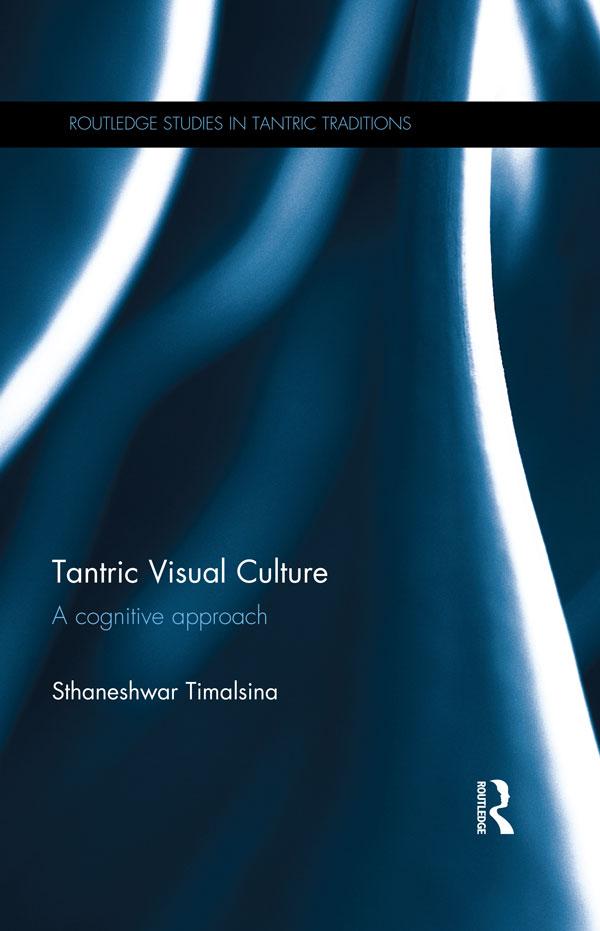
Indian culture relies greatly on visual expression, and this book uses both classical Indian and contemporary Western philosophies and current studies on cognitive sciences, and applies them to contextualize Tantric visual culture.
The work selects aspects of Tantric language and the practice of visualization, with the central premise to engage cognitive theories while studying images. It utilizes the contemporary theories of metaphor and cognitive blend, the theory of metonymy, and a holographic theory of epistemology with a focus on concept formation and its application to the study of myths and images. In addition, it applies the classical aesthetic theory of rasa to unravel the meaning of opaque images. This philosophical and cognitive analysis allows materials from Indian culture to be understood in a new light, while engaging contemporary theories of cognitive science and semantics. The book demonstrates how the domains of meaning and philosophy can be addressed within any culture without reducing their intrinsic cultural significance.
By addressing these key aspects of Tantric traditions through this approach, this book initiates a much-needed dialogue between Indian and Western theories, while encouraging introspection within the Indic traditions themselves. It will be of interest to those studying and researching Religion, Philosophy and South Asian Culture.
Payez facilement par carte, Klarna, Apple Pay ou Google Pay. Pas satisfait ? Vous avez toujours une garantie de remboursement de 14 jours. En savoir plus dans nos conditions. Si vous avez des questions, envoyez-nous un e-mail à hello@memmo.org.
Memmo facilite tes études, où que tu sois dans le monde. On rassemble tes manuels de cours et des outils d'étude intelligents au même endroit : résumés, quiz, podcasts et flashcards. Et il y a Ted, ton compagnon d'étude qui répond à toutes tes questions. Plus de 50 000 étudiants étudient déjà ici – conçu pour t'aider à apprendre plus vite et à moins stresser.