
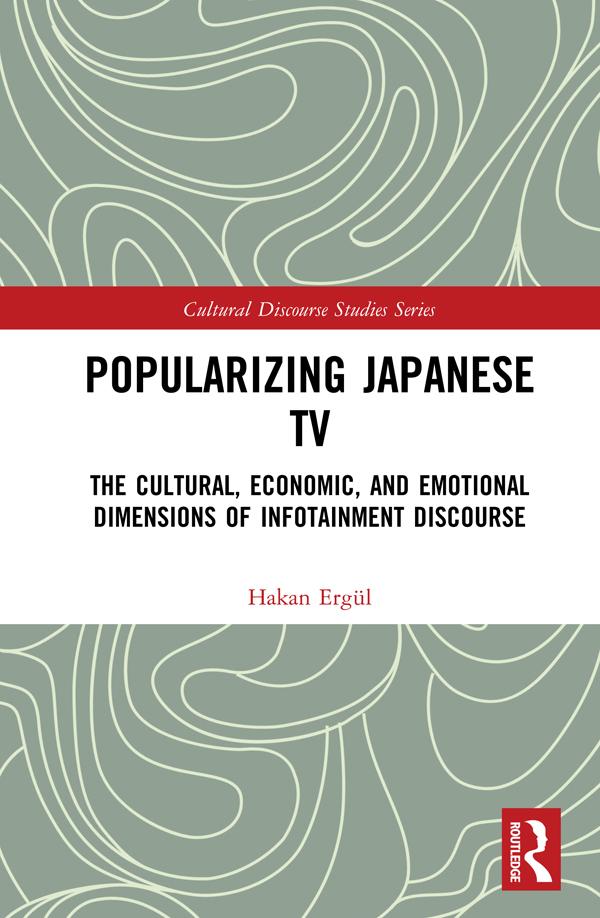
Over the past years, the view has emerged that Japanese TV is dominated by an infotainment mode of discourse. The book extends this view, detailing and interpreting the cultural, economic, and emotional dimensions of this communication phenomenon from an ethnographic perspective. It examines the complex ways in which infotainment works in an advanced capitalist society. As such, this is more than a book about Japan; it is a work that fits within media ethnography and cultural studies, and appeals to readers interested in the question of how television, at the heart of the global media stream, successfully turns into a persuasive, intimate, and powerful member of a televisual audience-family through carefully engineered televisual discourses, linguistic/non-linguistic component, audiovisual strategies, and economic and cultural elements.
Drawing on ethnographic observations in TV stations in two major cities, Sendai and Tokyo, the book reveals several essential components embedded within infotainment discourse. Thus, this book not only provides a panoramic picture of a core phenomenon in Japanese broadcasting since the 2000s but also discusses how both cultural discourses and economic considerations influence contemporary television broadcasting.
Payez facilement par carte, Klarna, Apple Pay ou Google Pay. Pas satisfait ? Vous avez toujours une garantie de remboursement de 14 jours. En savoir plus dans nos conditions. Si vous avez des questions, envoyez-nous un e-mail à hello@memmo.org.
Memmo facilite tes études, où que tu sois dans le monde. On rassemble tes manuels de cours et des outils d'étude intelligents au même endroit : résumés, quiz, podcasts et flashcards. Et il y a Ted, ton compagnon d'étude qui répond à toutes tes questions. Plus de 50 000 étudiants étudient déjà ici – conçu pour t'aider à apprendre plus vite et à moins stresser.