
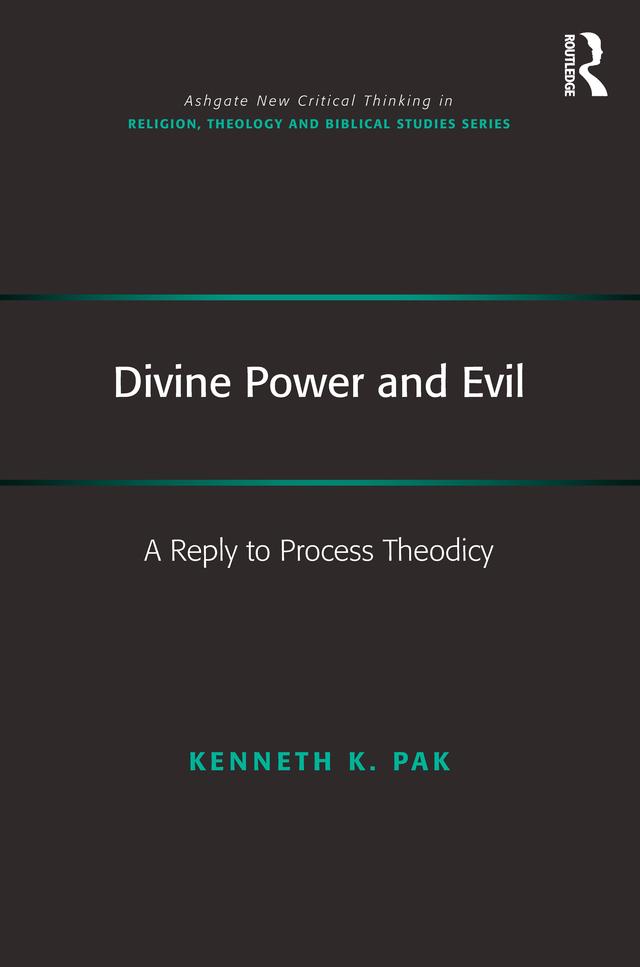
Evil perplexes us all and threatens to undermine the meaningfulness of our existence. How can we reconcile the reality of evil with the notion of a God who is perfectly good and powerful? Process theodicy, whose foremost proponent is David Griffin, suggests one answer: because every being possesses its own power of self-determination in order for God to attain the divine aim of higher goodness for the world, God must take the risk of the possibility of evil. Divine Power and Evil responds to Griffin's criticisms against traditional theodicy, assesses the merits of process theodicy, and points out ways in which traditional theism could incorporate a number of Griffin's valuable insights in progressing toward a philosophically and theologically satisfactory theodicy. It provides a new and important contribution to a long-standing debate within philosophy of religion and theology.
Payez facilement par carte, Klarna, Apple Pay ou Google Pay. Pas satisfait ? Vous avez toujours une garantie de remboursement de 14 jours. En savoir plus dans nos conditions. Si vous avez des questions, envoyez-nous un e-mail à hello@memmo.org.
Memmo facilite tes études, où que tu sois dans le monde. On rassemble tes manuels de cours et des outils d'étude intelligents au même endroit : résumés, quiz, podcasts et flashcards. Et il y a Ted, ton compagnon d'étude qui répond à toutes tes questions. Plus de 50 000 étudiants étudient déjà ici – conçu pour t'aider à apprendre plus vite et à moins stresser.