
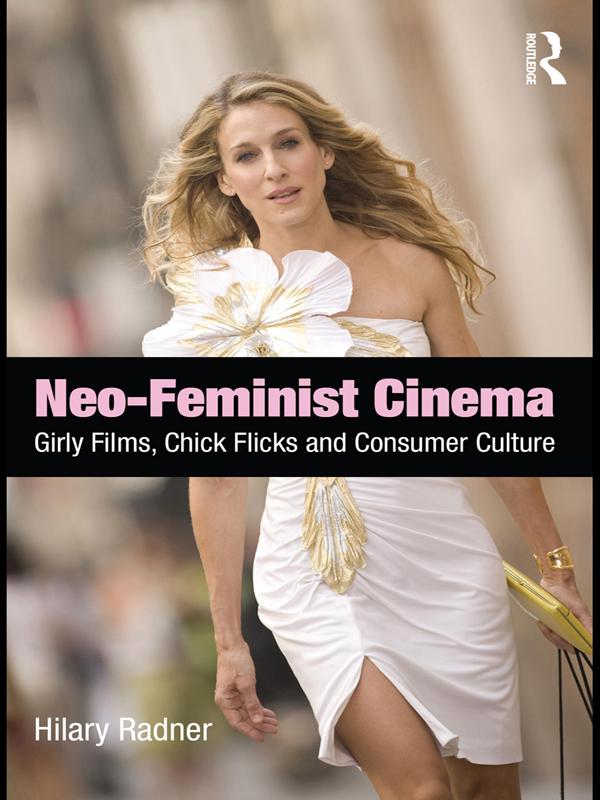
What lies behind current feminist discontent with contemporary cinema?
Through a combination of cultural and industry analysis, Hilary Radner’s Neo-Feminist Cinema: Girly Films, Chick Flicks and Consumer Culture shows how the needs of conglomerate Hollywood have encouraged an emphasis on consumer culture within films made for women. By exploring a number of representative "girly films," including Pretty Woman, Legally Blonde, Maid in Manhattan, The Devil Wears Prada, and Sex and the City: The Movie, Radner proposes that rather than being "post-feminist," as is usually assumed, such films are better described as "neo-feminist." Examining their narrative format, as it revolves around the story of an ambitious unmarried woman who defines herself through consumer culture as much as through work or romance, Radner argues that these films exemplify neo-liberalist values rather than those of feminism.
As such, Neo-Feminist Cinema offers a new explanation as to why feminist-oriented scholars and audiences who are seeking more than "labels and love" from their film experience have viewed recent "girly films" as a betrayal of second-wave feminism, and why, on the other hand, such films have proven to be so successful at the box office.
Payez facilement par carte, Klarna, Apple Pay ou Google Pay. Pas satisfait ? Vous avez toujours une garantie de remboursement de 14 jours. En savoir plus dans nos conditions. Si vous avez des questions, envoyez-nous un e-mail à hello@memmo.org.
Memmo facilite tes études, où que tu sois dans le monde. On rassemble tes manuels de cours et des outils d'étude intelligents au même endroit : résumés, quiz, podcasts et flashcards. Et il y a Ted, ton compagnon d'étude qui répond à toutes tes questions. Plus de 50 000 étudiants étudient déjà ici – conçu pour t'aider à apprendre plus vite et à moins stresser.