
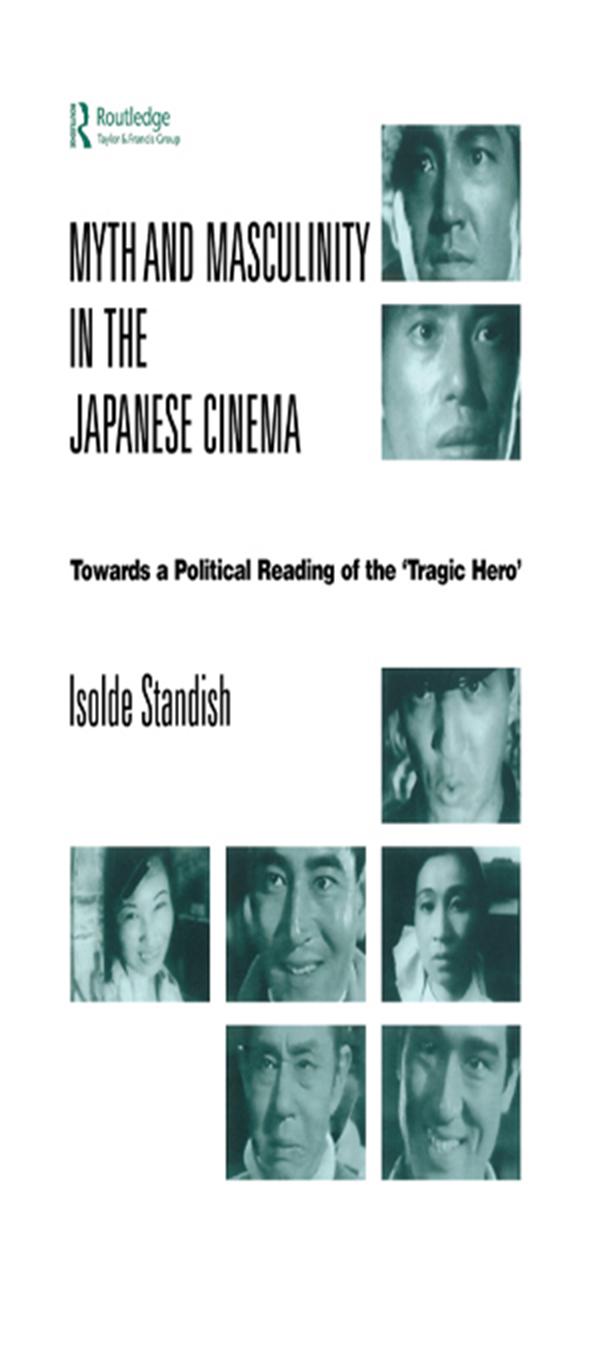
This study argues that in Japanese popular cinema the 'tragic hero' narrative is an archetypal plot-structure upon which male genres, such as the war-retro and yakuza films are based. Two central questions in relation to these post-war Japanese film genres and historical consciousness are addressed: What is the relationship between history, myth and memory? And how are individual subjectivities defined in relation to the past? The book examines the role of the 'tragic hero' narrative as a figurative structure through which the Japanese people could interpret the events of World War II and defeat, offering spectators an avenue of exculpation from a foreign-imposed sense of guilt. Also considered is the fantasy world of the nagare-mono (drifter) or yakuza film. It is suggested that one of the reasons for the great popularity of these films in the 1960s and 1970s lay in their ability to offer men meanings that could help them understand the contradictions between the reality of their everyday experiences and the ideological construction of masculinity.
Payez facilement par carte, Klarna, Apple Pay ou Google Pay. Pas satisfait ? Vous avez toujours une garantie de remboursement de 14 jours. En savoir plus dans nos conditions. Si vous avez des questions, envoyez-nous un e-mail à hello@memmo.org.
Memmo facilite tes études, où que tu sois dans le monde. On rassemble tes manuels de cours et des outils d'étude intelligents au même endroit : résumés, quiz, podcasts et flashcards. Et il y a Ted, ton compagnon d'étude qui répond à toutes tes questions. Plus de 50 000 étudiants étudient déjà ici – conçu pour t'aider à apprendre plus vite et à moins stresser.
Tu pourrais aussi aimer
Acheter le livre0