
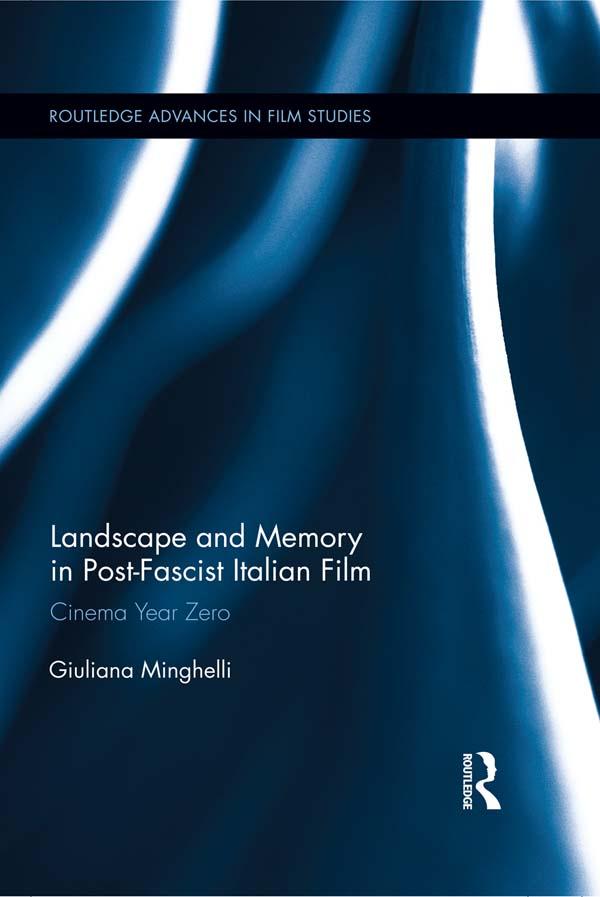
This study argues that neorealism’s visual genius is inseparable from its almost invisible relation to the Fascist past: a connection inscribed in cinematic landscapes. While largely a silent narrative, neorealism’s complex visual processing of two decades of Fascism remains the greatest cultural production in the service of memorialization and comprehension for a nation that had neither a Nuremberg nor a formal process of reconciliation. Through her readings of canonical neorealist films, Minghelli unearths the memorial strata of the neorealist image and investigates the complex historical charge that invests this cinema. This book is both a formal analysis of the new conception of the cinematic image born from a crisis of memory, and a reflection on the relation between cinema and memory. Films discussed include Ossessione (1943) Paisà (1946), Ladri di biciclette (1948), and Cronaca di un amore (1950).
Payez facilement par carte, Klarna, Apple Pay ou Google Pay. Pas satisfait ? Vous avez toujours une garantie de remboursement de 14 jours. En savoir plus dans nos conditions. Si vous avez des questions, envoyez-nous un e-mail à hello@memmo.org.
Memmo facilite tes études, où que tu sois dans le monde. On rassemble tes manuels de cours et des outils d'étude intelligents au même endroit : résumés, quiz, podcasts et flashcards. Et il y a Ted, ton compagnon d'étude qui répond à toutes tes questions. Plus de 50 000 étudiants étudient déjà ici – conçu pour t'aider à apprendre plus vite et à moins stresser.