
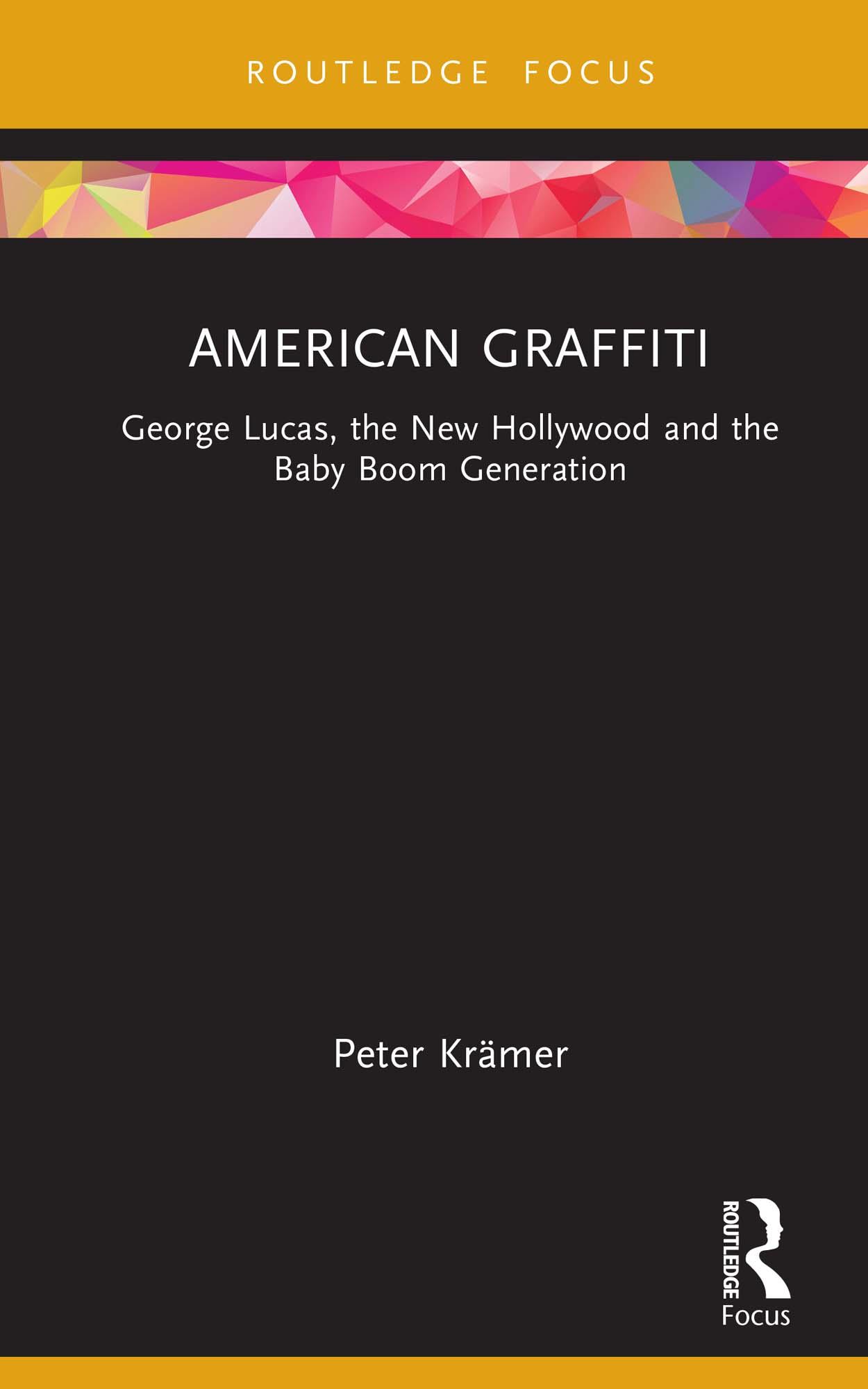
Combining a detailed film analysis with archival research and social science approaches, this book examines how American Graffiti (1973), a low-budget and star-less teen comedy by a filmmaker whose only previous feature had been a box office flop, became one of the highest grossing and most highly acclaimed films of all time in the United States, and one of the key expressions of the nostalgia wave washing over the country in the 1970s.
American Graffiti: George Lucas, the New Hollywood and the Baby Boom Generation explores the origins and development of the film, its form and themes as well as its marketing, reception, audiences and impact. It does so by considering the life and career of the film’s co-writer and director George Lucas; the development and impact of the baby boom generation to which he, many of his collaborators and the vast majority of the film’s audience belonged; the transformation of the American film industry in the late 1960s and 1970s; and broader changes in American society which gave rise to an intense sense of crisis and growing pessimism across the population.
This book is ideal for students, scholars and those with an interest in youth cinema, the New Hollywood and George Lucas as well as both Film and American Studies more broadly.
Payez facilement par carte, Klarna, Apple Pay ou Google Pay. Pas satisfait ? Vous avez toujours une garantie de remboursement de 14 jours. En savoir plus dans nos conditions. Si vous avez des questions, envoyez-nous un e-mail à hello@memmo.org.
Memmo facilite tes études, où que tu sois dans le monde. On rassemble tes manuels de cours et des outils d'étude intelligents au même endroit : résumés, quiz, podcasts et flashcards. Et il y a Ted, ton compagnon d'étude qui répond à toutes tes questions. Plus de 50 000 étudiants étudient déjà ici – conçu pour t'aider à apprendre plus vite et à moins stresser.