
Avant Memmo, mes notes étaient éparpillées dans des PDF. Maintenant, un espace de travail rassemble tout — je vois exactement ce qu'il me reste à étudier.
“The consensus amongst the leading researchers in the offender treatment area is that the comprehensive and sophisticated clinical methods the authors have derived for offender treatment are unsurpassed. Indeed, they have formed the basis for what is known as the core correctional practices for reducing anti-social behavior.”
Paul Gendreau, Professor Emeritus, University of New Brunswick
“Bush and colleagues’ phenomenologically based approach to offender rehabilitation is based explicitly on the stories they have collected from prisoners and probationers and is a welcome contribution to an academic literature that too often obfuscates the actual work involved in delivering help to the hardest to reach in the criminal justice system.”
Shadd Maruna, Ph.D., Dean of the Rutgers School of Criminal Justice
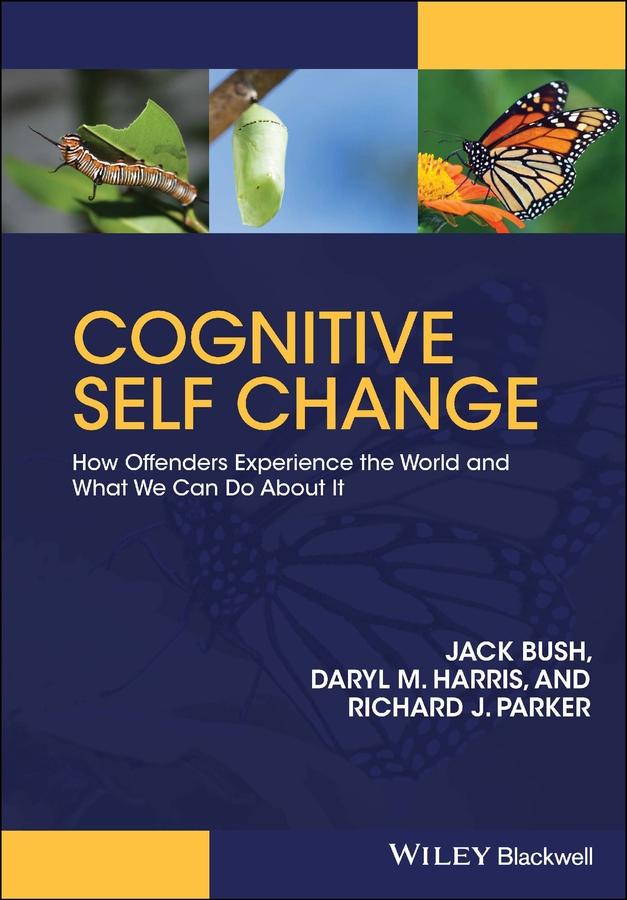
Cognitive Self Change presents a practical guide to rehabilitation based on understanding the way individual offenders experience themselves and the world around them at the moment they offend. De-incentivizing criminal behavior and replacing it with self-empowered change are the keys to upending the traditionally antagonistic relationship between criminals and those meant to help them change. The authors, with their experience of working with offenders and implementing rehabilitation programs, have drawn together clinical and academic perspectives on the treatment of high-risk offenders, analyzing current approaches to treatment and the problems encountered in their application.
Cognitive Self Change rejects the traditional dichotomy of control versus treatment, devising instead a strategy that integrates both. Focusing on high-risk and “hard-core” offenders, not just those that are “ready to change,” they discuss why offenders offend, why they are seldom motivated to change, and why they often fail to engage in treatment. This leads to a strategy of communication that teaches offenders a set of skills they can use to change themselves, and that motivates them to do so.
Avant Memmo, mes notes étaient éparpillées dans des PDF. Maintenant, un espace de travail rassemble tout — je vois exactement ce qu'il me reste à étudier.
Les résumés de Memmo sont en or avant les examens. Pas besoin de relire 800 pages deux semaines avant — juste l'essentiel.
Le chat IA m'a sauvé la veille d'un examen plus d'une fois. Je pose des questions jusqu'à ce que je comprenne — pas besoin d'attendre la réponse d'un groupe d'étude.
Les quiz ciblent exactement ce que je dois savoir. Memmo suit ce sur quoi je bloque — comme ça, je ne m'entraîne que sur ce qui compte.
Les flashcards avec répétition espacée, c'est magique. Memmo sait quand je suis sur le point d'oublier quelque chose et me le rappelle.
Les podcasts IA, c'est ma fonction préférée. J'écoute en allant à l'école et j'ai un récap sans être devant un ordinateur.

Handbok i kvalitativa metoder
281 kr

Hållbar utveckling: en introduktion för ingenjörer och andra problemlösare
334 kr

Brymans Samhällsvetenskapliga metoder
390 kr

Projektledning
491 kr

Den orättvisa hälsan: om socioekonomiska skillnader i hälsa och livslängd
326 kr

Organizational Leadership
429 kr

Vetenskapsteori för nybörjare
196 kr

På väg mot läraryrket
172 kr

Det sociala livet i skolan: Socialpsykologiska perspektiv
253 kr

Betygsättningens didaktik
151 kr

Personality
402 kr

Studying Leadership
404 kr

Managing Innovation
477 kr

Introduktion till samhällsvetenskaplig metod
347 kr

The Psychology of Sex and Gender
698 kr

Evidens och kunskap för socialt arbete
207 kr

Introduction to Leadership
605 kr