
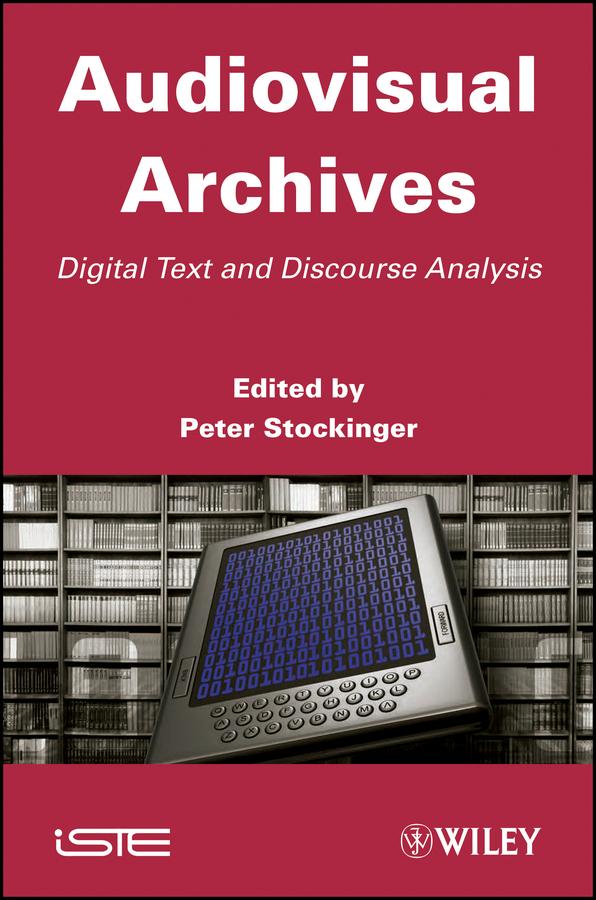
Today, audiovisual archives and libraries have become very popular especially in the field of collecting, preserving and transmitting cultural heritage. However, the data in these archives or libraries - videos, images, soundtracks, etc. - constitute as such only potential cognitive resources for a given public (or "target community"). One of the most crucial issues of digital audiovisual libraries is indeed to enable users to actively appropriate audiovisual resources for their own concern (in research, education or any other professional or non-professional context). This means, an adaptation of the audiovisual data to the specific needs of a user or user group can be represented by small and closed "communities" as well as by networks of open communities around the globe.
"Active appropriation" is, basically speaking, the use of existing digital audiovisual resources by users or user communities according to their expectations, needs, interests or desires. This process presupposes: 1) the definition and development of models or "scenarios" of cognitive processing of videos by the user; 2) the availability of tools necessary for defining, developing, reusing and sharing meta-linguistic resources such as thesauruses, ontologies or description models by users or user communities.
Both aspects are central to the so-called semiotic turn in dealing with digital (audiovisual) texts, corpora of texts or again entire (audiovisual) archives and libraries. They demonstrate practically and theoretically the well-known "from data to metadata" or "from (simple) information to (relevant) knowledge" problem, which obviously directly influences the effective use, social impact and relevancy, and therefore also the future, of digital knowledge archives. This book offers a systematic, comprehensive approach to these questions from a theoretical as well as practical point of view.
Payez facilement par carte, Klarna, Apple Pay ou Google Pay. Pas satisfait ? Vous avez toujours une garantie de remboursement de 14 jours. En savoir plus dans nos conditions. Si vous avez des questions, envoyez-nous un e-mail à hello@memmo.org.
Memmo facilite tes études, où que tu sois dans le monde. On rassemble tes manuels de cours et des outils d'étude intelligents au même endroit : résumés, quiz, podcasts et flashcards. Et il y a Ted, ton compagnon d'étude qui répond à toutes tes questions. Plus de 50 000 étudiants étudient déjà ici – conçu pour t'aider à apprendre plus vite et à moins stresser.