
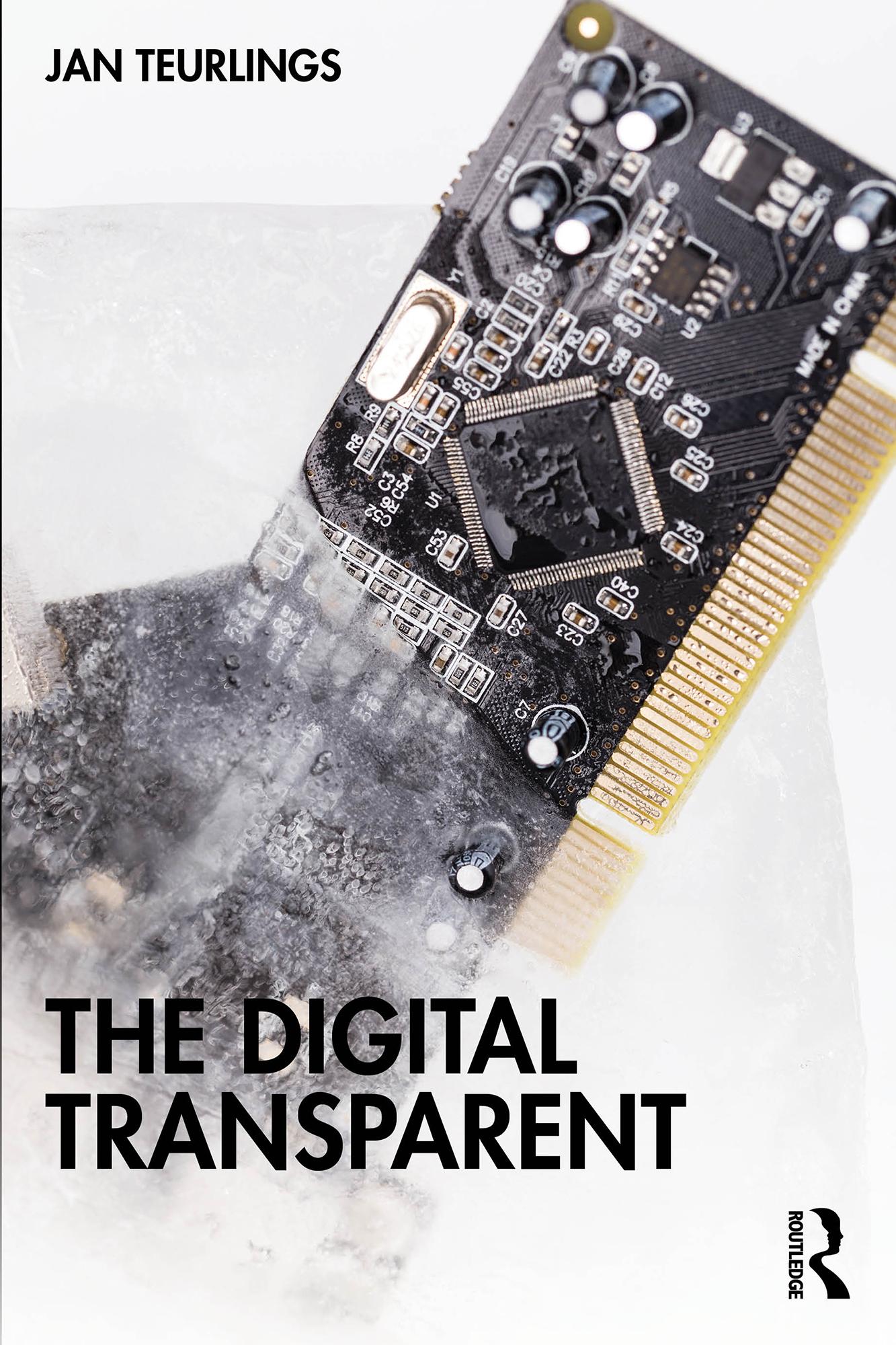
In the 2010s, digital platforms swiftly became the dominant way to disseminate media content, promising to make communication transparent in ways that print, cinema and broadcast never could. The Digital Transparent critically interrogates this claim, arguing that while platforms introduce new transparencies, they also create opacities intrinsic to their technology and architecture.
Using Michel Foucault’s concept of the dispositif, the book demonstrates that transparency arrangements are always selective, partial and strategically constructed. It argues that transparency functions both as an opening up of the platform and as a mechanism that enables platforms to govern. Through dispositif analysis of two key transparency devices—the dashboard and the transparency centre—the book examines YouTube, SoundCloud, Facebook and X.com/Twitter using textual analysis, interface analysis and interviews with YouTubers.
The Digital Transparent is essential reading for students and scholars in media studies, offering a historical perspective on digital platforms that reveals what is genuinely new and what continues from earlier media. It will appeal to those interested in Foucault’s work and its application to contemporary media, researchers in transparency studies seeking critical perspectives on communication and distribution, and platform scholars focused on governance, creative practices and regulation.
Payez facilement par carte, Klarna, Apple Pay ou Google Pay. Pas satisfait ? Vous avez toujours une garantie de remboursement de 14 jours. En savoir plus dans nos conditions. Si vous avez des questions, envoyez-nous un e-mail à hello@memmo.org.
Memmo facilite tes études, où que tu sois dans le monde. On rassemble tes manuels de cours et des outils d'étude intelligents au même endroit : résumés, quiz, podcasts et flashcards. Et il y a Ted, ton compagnon d'étude qui répond à toutes tes questions. Plus de 50 000 étudiants étudient déjà ici – conçu pour t'aider à apprendre plus vite et à moins stresser.