
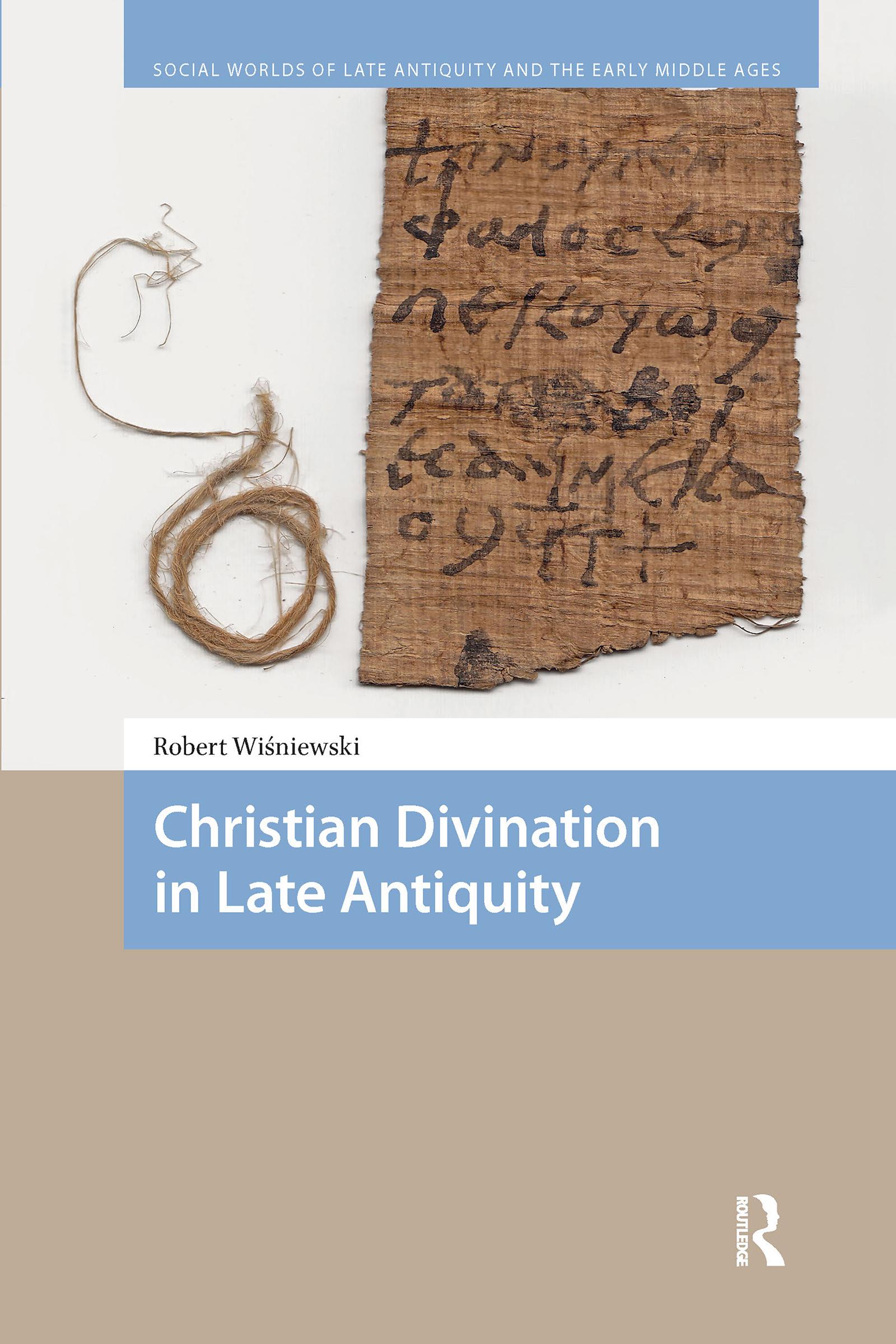
In Late Antiquity, people commonly sought to acquire hidden knowledge about the past, the present, and the future, using a variety of methods. While Christians acknowledged that these methods could work effectively, in theory they were not allowed to make use of them. In practice, they behaved in diverse ways. Some probably renounced any hope of learning about the future. Others resorted to old practices regardless of the consequences. A third option was to construct divinatory methods that were effective yet religiously tolerable. This book is devoted to the study of such practices and their practitioners, and provides answers to essential questions concerning Christian divination. How did it develop? How closely were Christian methods related to older, traditional practices? Who used them and in which situations? Who offered oracular services? And how were they perceived by clerics, intellectuals, and common people? This book studies a phenomenon which is most interesting in itself, but also helps to understand religious and social life in the period in which they were swiftly changing, o covers the entire field, and not a single method, o deals with the evidence from all parts of Christendom.
Payez facilement par carte, Klarna, Apple Pay ou Google Pay. Pas satisfait ? Vous avez toujours une garantie de remboursement de 14 jours. En savoir plus dans nos conditions. Si vous avez des questions, envoyez-nous un e-mail à hello@memmo.org.
Memmo facilite tes études, où que tu sois dans le monde. On rassemble tes manuels de cours et des outils d'étude intelligents au même endroit : résumés, quiz, podcasts et flashcards. Et il y a Ted, ton compagnon d'étude qui répond à toutes tes questions. Plus de 50 000 étudiants étudient déjà ici – conçu pour t'aider à apprendre plus vite et à moins stresser.
Tu pourrais aussi aimer
Acheter le livre0