
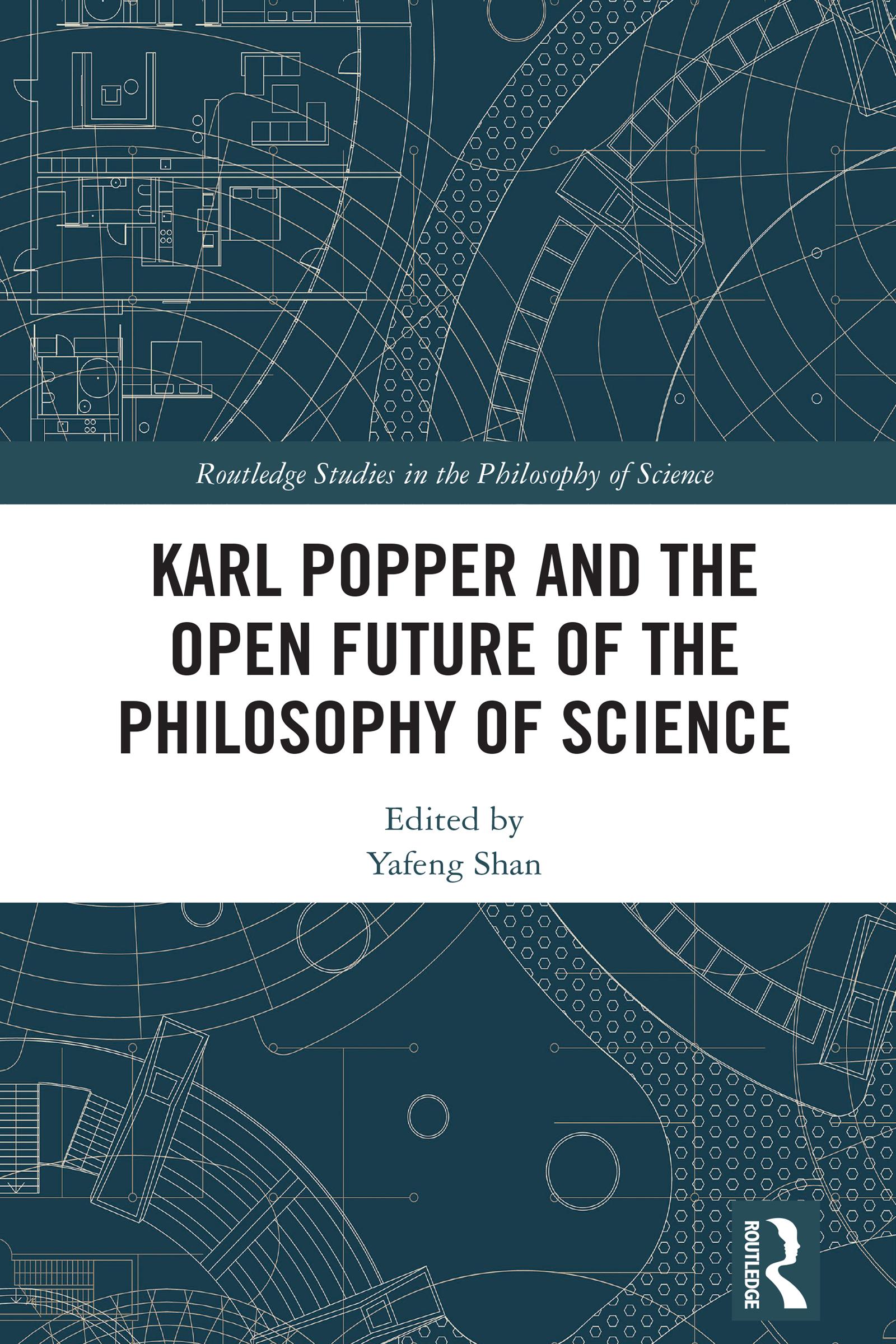
This volume revisits and explores Popper’s legacy for contemporary philosophy of science. It develops Popper’s important insights on the methodology and nature of science and investigates new directions in the philosophy of science inspired by Popper’s work.
Karl Popper (1902–1994) is regarded as one of the most influential philosophers of science of the twentieth century. He famously proposed that falsifiability is a genuine virtue of science and the criterion of the scientific status of a theory. Based on this, he developed a systematic account of scientific method and scientific development, namely, falsificationism. Moreover, Popper wrote on a variety of topics, including evolutionary biology, methodological individualism, and probability. However, Popper’s legacy on contemporary philosophy of science is surprisingly thin. This volume develops a Popperian philosophy of science for the twenty-first century. The chapters examine the problem of induction, the demarcation problem, the notion of verisimilitude, critical rationalism, methodological individualism, and the relevance and implications of Popper’s ideas for the philosophy of the natural and social sciences from new perspectives.
Karl Popper and the Open Future of the Philosophy of Science will appeal to scholars and graduate students interested in the history and philosophy of science, philosophy of social science, and twentieth-century philosophy.
Payez facilement par carte, Klarna, Apple Pay ou Google Pay. Pas satisfait ? Vous avez toujours une garantie de remboursement de 14 jours. En savoir plus dans nos conditions. Si vous avez des questions, envoyez-nous un e-mail à hello@memmo.org.
Memmo facilite tes études, où que tu sois dans le monde. On rassemble tes manuels de cours et des outils d'étude intelligents au même endroit : résumés, quiz, podcasts et flashcards. Et il y a Ted, ton compagnon d'étude qui répond à toutes tes questions. Plus de 50 000 étudiants étudient déjà ici – conçu pour t'aider à apprendre plus vite et à moins stresser.