
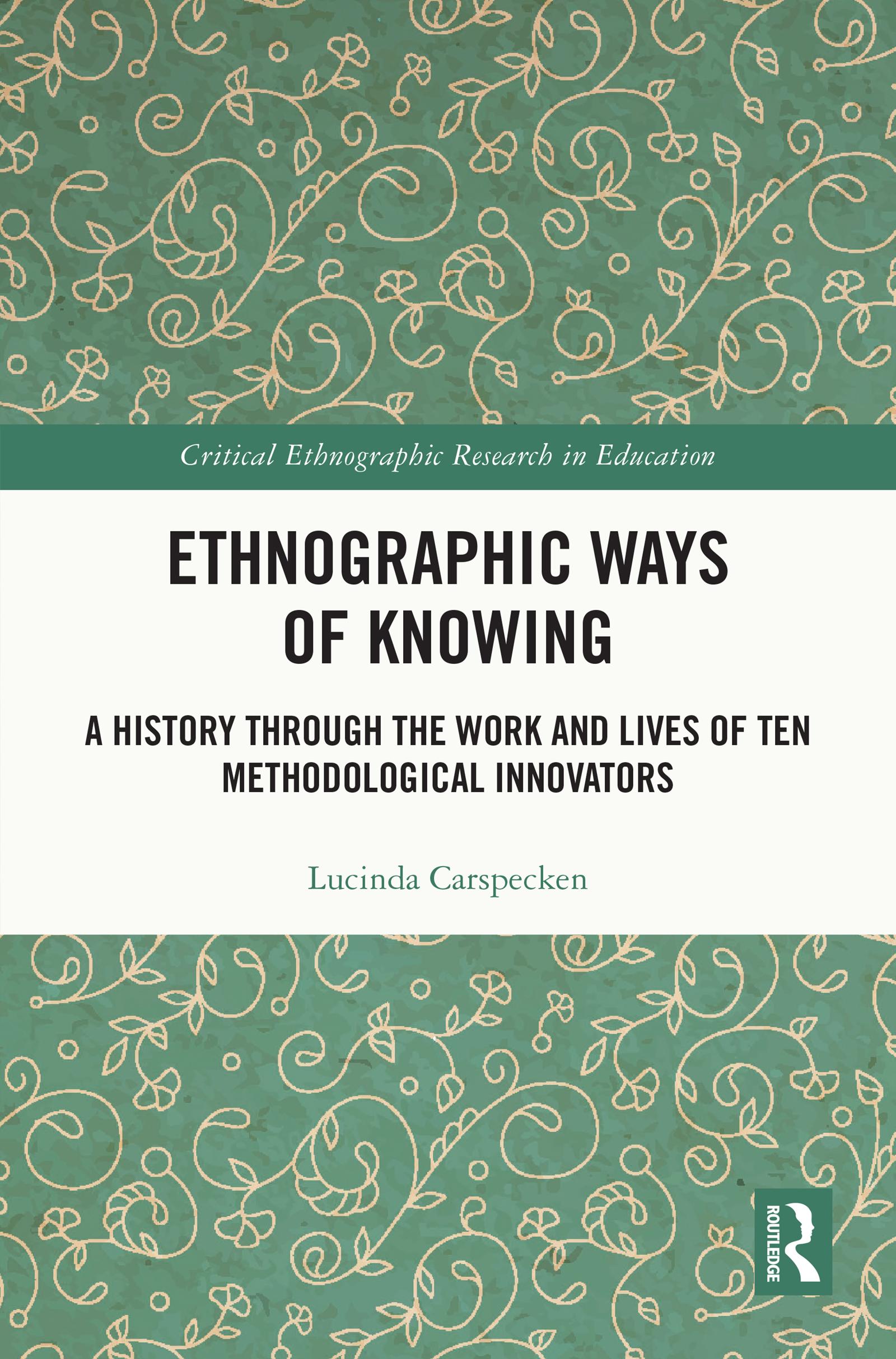
Drawing on the works of ten scholars and public intellectuals ranging over 200 years, this book foregrounds ways of knowing that include but go beyond the cognitive.
The book explores the work of Harriet Martineau, Jane Addams, W. E. B. Du Bois, Zora Neale Hurston, Ella Deloria, M. N. Srinivas, Barbara Myerhoff, Orlando Fals Borda, Ronald Takaki and Nawal El Saadawi. The author discusses their multifaceted ethnographic practices and argues that such practices are still under-acknowledged in contemporary research in comparison to cognition and categorization. These scholars were outsiders to their societies in a variety of ways. They highlighted power imbalances in the perception and representation of one group by another and brought direct experience, emotion, narrative, imagination, recognition, self-reflection, activism and cultural humility into their writing, in addition to rationality. The book engages with the authors and their ideas in the context of their times and places. It also reclaims them as methodological predecessors, noting their contributions to what educational ethnography has been and what it could be in the future.
Expanding the canon of social research history and providing insight into unique methodological forms, this text will be valuable for scholars and postgraduate students with interests in ethnography, as well as the history of research, anthropology and qualitative methods more broadly.
Payez facilement par carte, Klarna, Apple Pay ou Google Pay. Pas satisfait ? Vous avez toujours une garantie de remboursement de 14 jours. En savoir plus dans nos conditions. Si vous avez des questions, envoyez-nous un e-mail à hello@memmo.org.
Memmo facilite tes études, où que tu sois dans le monde. On rassemble tes manuels de cours et des outils d'étude intelligents au même endroit : résumés, quiz, podcasts et flashcards. Et il y a Ted, ton compagnon d'étude qui répond à toutes tes questions. Plus de 50 000 étudiants étudient déjà ici – conçu pour t'aider à apprendre plus vite et à moins stresser.