
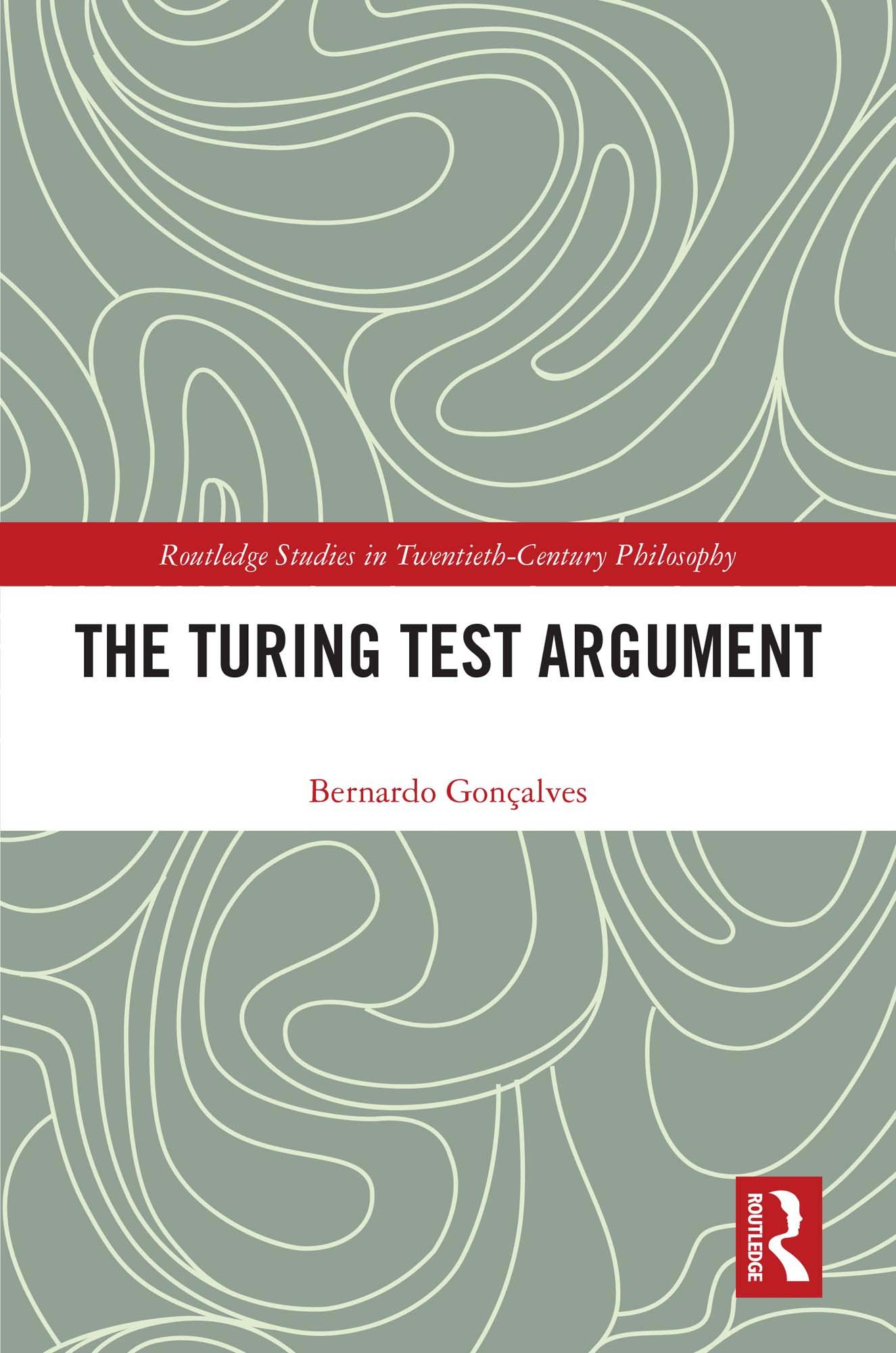
This book departs from existing accounts of Alan Turing's imitation game and test by placing Turing's proposal in its historical, social, and cultural context.
It reconstructs a controversy in England, 1946–1952, over the intellectual capabilities of digital computers, which led Turing to propose his test. It argues that the Turing test is best understood not as a practical experiment, but as a thought experiment in the modern scientific tradition of Galileo Galilei. The logic of the Turing test argument is reconstructed from the rhetoric of Turing’s irony and wit. Turing believed that learning machines should be understood as a new kind of species, and their thinking as different from human thinking and yet capable of imitating it. He thought that the possibilities of the machines he envisioned were not utopian dreams. And yet he hoped that they would rival and surpass chauvinists and intellectuals who sacrifice independent thinking to maintain their power. These would be transformed into ordinary people, as work once considered 'intellectual' would be transformed into non-intellectual, 'mechanical' work.
The Turing Test Argument will appeal to scholars and students in the sciences and humanities and all those interested in Turing's vision of the future of intelligent machines in society and nature.
Payez facilement par carte, Klarna, Apple Pay ou Google Pay. Pas satisfait ? Vous avez toujours une garantie de remboursement de 14 jours. En savoir plus dans nos conditions. Si vous avez des questions, envoyez-nous un e-mail à hello@memmo.org.
Memmo facilite tes études, où que tu sois dans le monde. On rassemble tes manuels de cours et des outils d'étude intelligents au même endroit : résumés, quiz, podcasts et flashcards. Et il y a Ted, ton compagnon d'étude qui répond à toutes tes questions. Plus de 50 000 étudiants étudient déjà ici – conçu pour t'aider à apprendre plus vite et à moins stresser.