
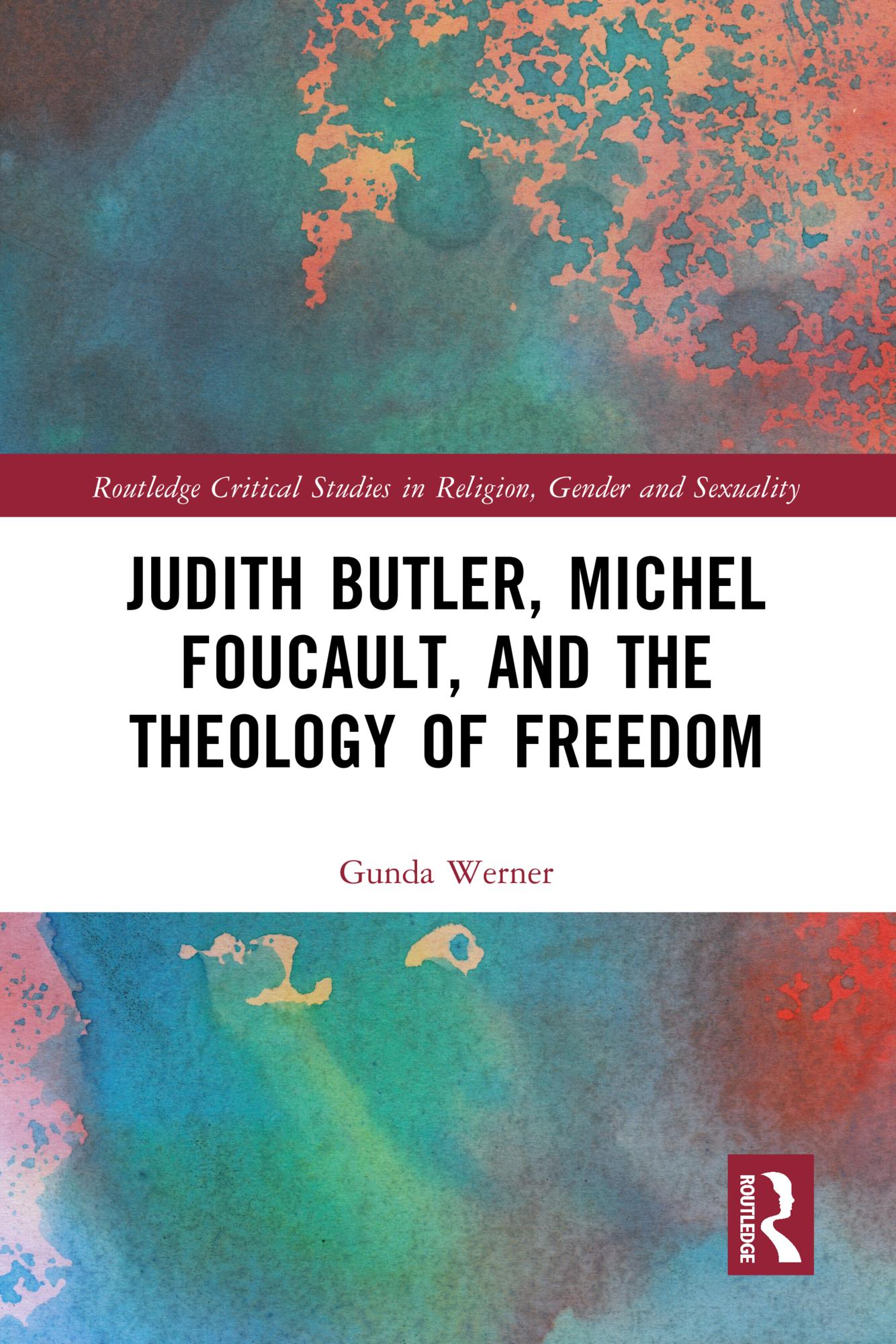
This book explores how Judith Butler’s work on gender and the shaping of the human subject and Michel Foucault's notion of parrhesia, ‘speaking the truth’, can be made fruitful for a theology of freedom. The volume illustrates the importance of three concepts - freedom, gender (body) and power (critique) - and how this triad provides the foundational categories and structural elements of a theology of freedom. By starting from an analysis of power and the performative potential of gendered embodiment, freedom can be thought of as the basis of creative and critical human action and thereby implemented in theology. The chapters feature several theological-historical case studies that are representative of topics that continue to shape contemporary Catholic norms and thought. In particular, the author reflects on the 13th century with the idea of personal sin and confession, and the 19th century with a gender ideology that has led to the marginalization of difference and dissent. The book shows how Butler and Foucault can provide essential insights for Catholic theology and is valuable reading for scholars of religion, philosophy, and gender and sexuality studies.
Payez facilement par carte, Klarna, Apple Pay ou Google Pay. Pas satisfait ? Vous avez toujours une garantie de remboursement de 14 jours. En savoir plus dans nos conditions. Si vous avez des questions, envoyez-nous un e-mail à hello@memmo.org.
Memmo facilite tes études, où que tu sois dans le monde. On rassemble tes manuels de cours et des outils d'étude intelligents au même endroit : résumés, quiz, podcasts et flashcards. Et il y a Ted, ton compagnon d'étude qui répond à toutes tes questions. Plus de 50 000 étudiants étudient déjà ici – conçu pour t'aider à apprendre plus vite et à moins stresser.