
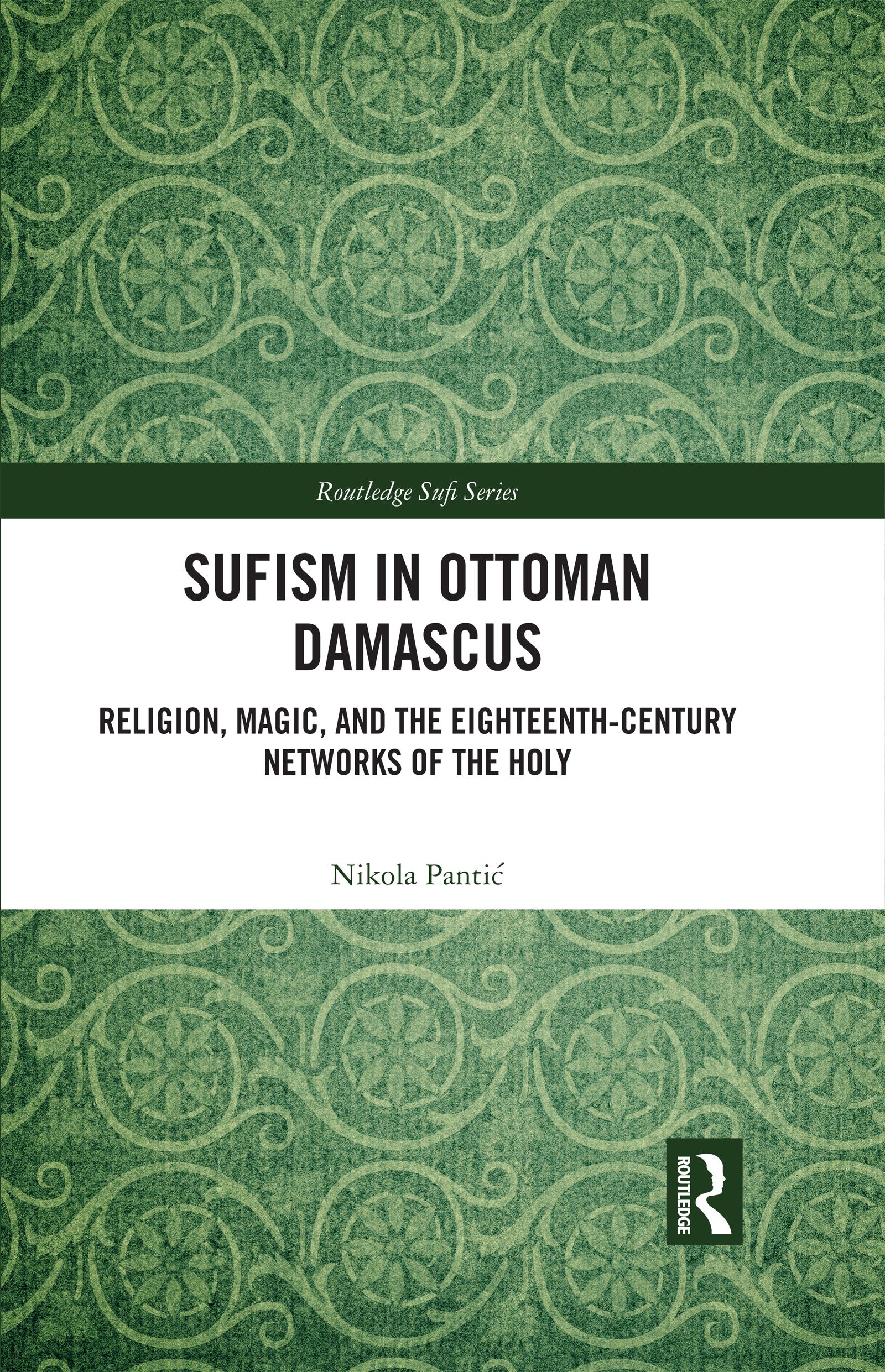
Sufism in Ottoman Damascus analyzes thaumaturgical beliefs and practices prevalent among Muslims in eighteenth-century Ottoman Syria. The study focuses on historical beliefs in baraka, which religious authorities often interpreted as Allah’s grace, and the alleged Sufi-ulamaic role in distributing it to Ottoman subjects.
This book highlights considerable overlaps between Sufis and ʿulamā’ with state appointments in early modern Province of Damascus, arguing for the possibility of sociologically defining a Muslim priestly sodality, a group of religious authorities and wonder-workers responsible for Sunni orthodoxy in the Ottoman Empire. The Sufi-ʿulamā’ were integral to Ottoman networks of the holy, networks of grace that comprised of hallowed individuals, places, and natural objects.
Sufism in Ottoman Damascus sheds new light on the appropriate scholarly approach to historical studies of Sufism in the Ottoman Empire, revising its position in official early modern versions of Ottoman Sunnism. This book further reapproaches early modern Sunni beliefs in wonders and wonder-working, as well as the relationship between religion, thaumaturgy, and magic in Ottoman Sunni Islam, historical themes comparable to other religions and other parts of the world.
Payez facilement par carte, Klarna, Apple Pay ou Google Pay. Pas satisfait ? Vous avez toujours une garantie de remboursement de 14 jours. En savoir plus dans nos conditions. Si vous avez des questions, envoyez-nous un e-mail à hello@memmo.org.
Memmo facilite tes études, où que tu sois dans le monde. On rassemble tes manuels de cours et des outils d'étude intelligents au même endroit : résumés, quiz, podcasts et flashcards. Et il y a Ted, ton compagnon d'étude qui répond à toutes tes questions. Plus de 50 000 étudiants étudient déjà ici – conçu pour t'aider à apprendre plus vite et à moins stresser.