
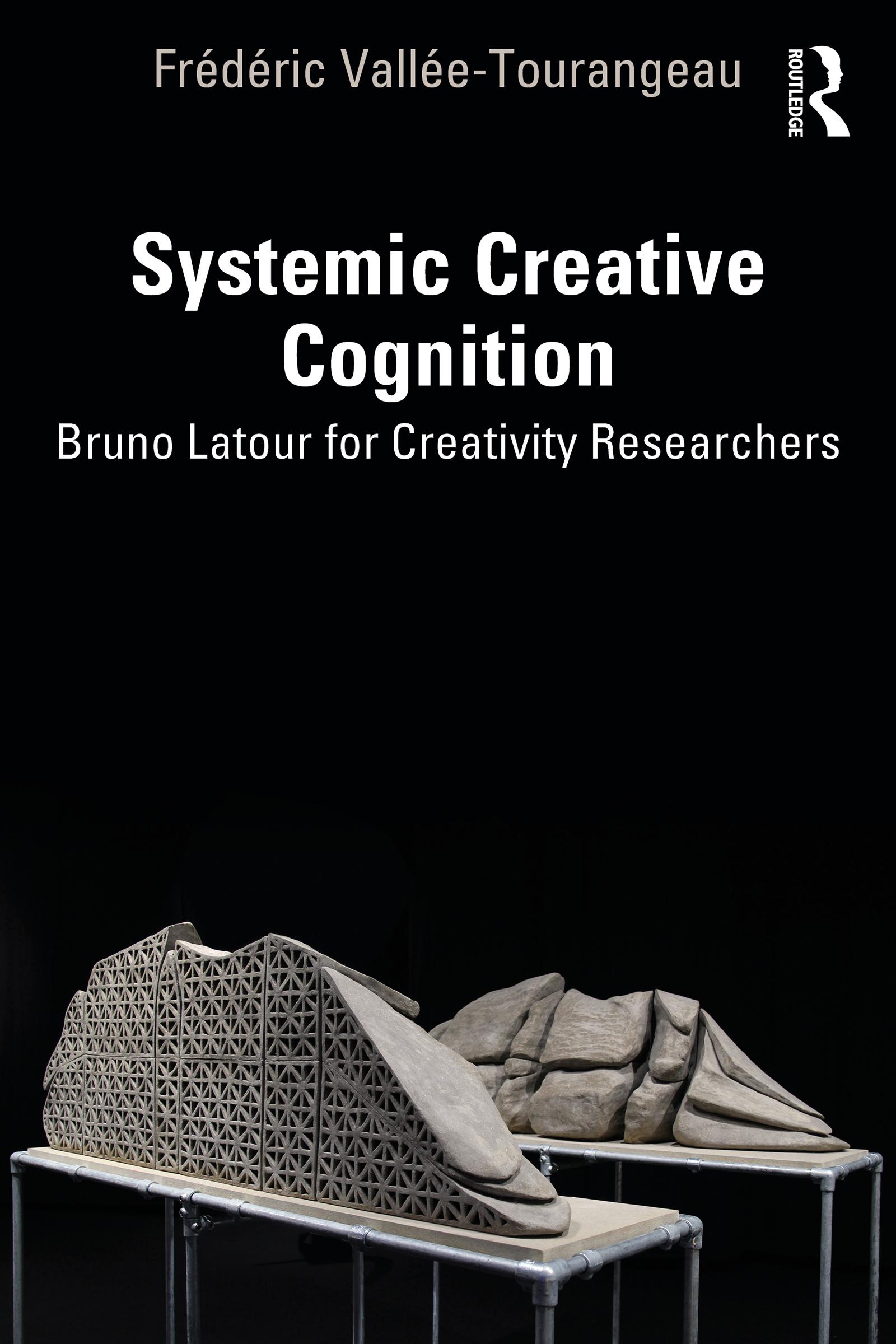
This unique book explores how the conceptual framework of science and technology studies can be applied to creativity and problem-solving research, drawing from and building on the work of Bruno Latour.
Using an interdisciplinary approach, the book outlines new research practices to capture the origin of ideas. Latour enjoins researchers to adopt a resolutely ethnographic methodology to trace the process by which a creative product, be it a technological innovation or a work of art, is constructed, or instaured. Creativity is explained in terms of the microprocesses that guide and constrain the development of a new idea. These microprocesses operate on and are triggered by material objects, be they maquettes, models, drafts or data representations. The resulting perspective is systemic, casting creativity as emerging from the interaction among heterogenous elements and actants. The book provides critical reflections on problem-solving research and stresses the importance of William James’s radical empiricism and the primary role of experience. The book redefines the concept of insight as an outcome rather than the cause of a new idea.
The book uses the work of Latour to cast a new light on the field of creative cognition and will be an essential read for researchers and students of creativity and cognition. It will also be relevant for anyone interested in understanding the origin of creativity, ideas and thoughts.
Payez facilement par carte, Klarna, Apple Pay ou Google Pay. Pas satisfait ? Vous avez toujours une garantie de remboursement de 14 jours. En savoir plus dans nos conditions. Si vous avez des questions, envoyez-nous un e-mail à hello@memmo.org.
Memmo facilite tes études, où que tu sois dans le monde. On rassemble tes manuels de cours et des outils d'étude intelligents au même endroit : résumés, quiz, podcasts et flashcards. Et il y a Ted, ton compagnon d'étude qui répond à toutes tes questions. Plus de 50 000 étudiants étudient déjà ici – conçu pour t'aider à apprendre plus vite et à moins stresser.