
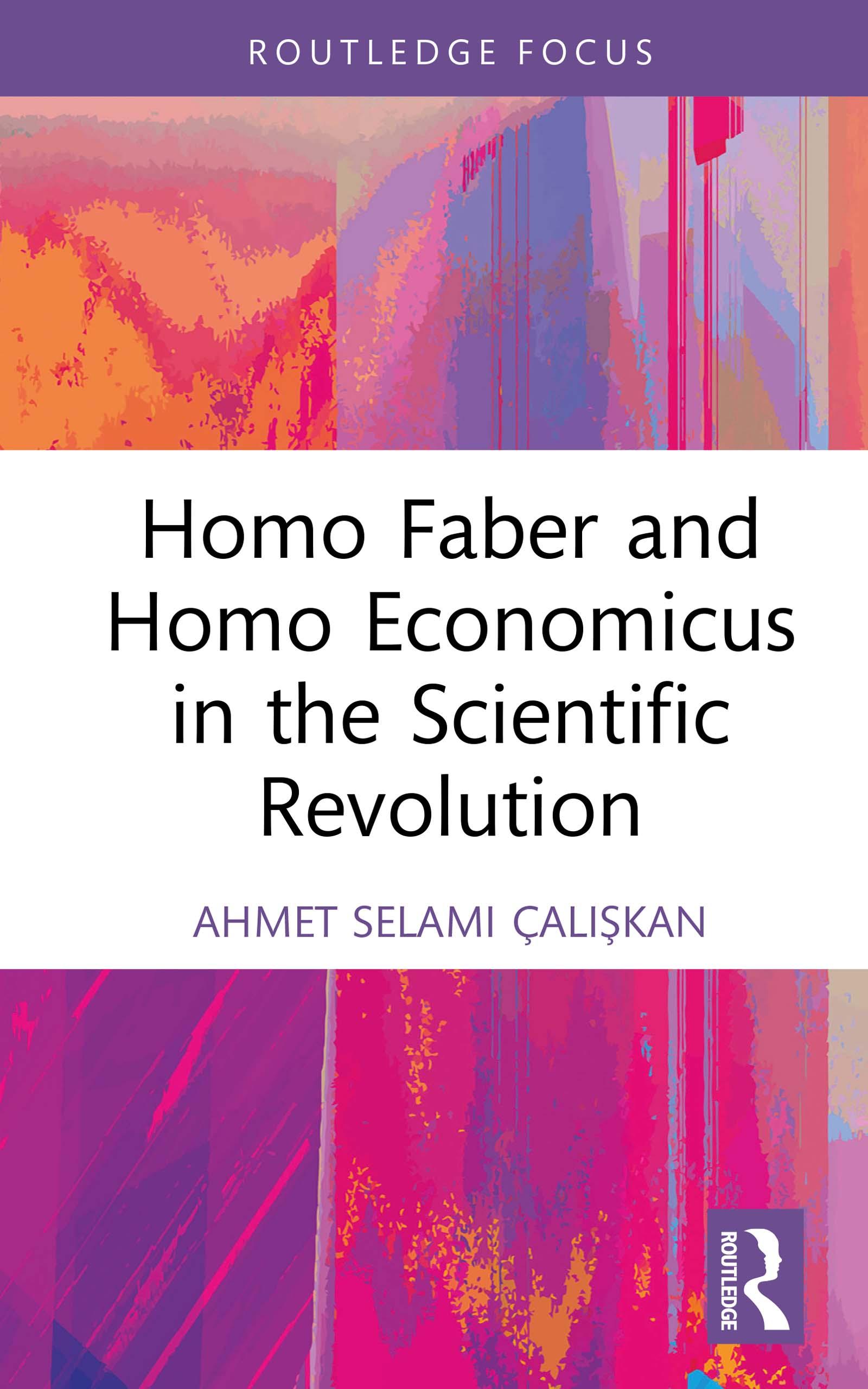
This book tells the story of how the "servile arts" turned into the "mechanical arts," which in turn developed into a kind of philosophical apparatus that made modern science possible.
Why did the scientific revolution take place in the West and not in China or the Islamic world? How did humanity’s progress in science and technology, which had been moving along at a relatively steady pace for tens of thousands of years, end up taking such an unprecedented leap? Subjecting the history of thought and technology to a novel interpretation based on the relationship between theory and practice, Ahmet Selami Çalışkan argues that the industrial revolution and modern science—and the scientific revolution that preceded both—did not alone suffice to sort out the philosophical problems of their day or to produce the institutions of the modern age. Both required a new sort of human: Homo economicus faber.
Tracing the historical emergence of this figure and its persistence in our own age, this book offers an innovative and holistic assessment of the economic, cultural and political effects of centuries of interaction between East and West and their repercussions in our world today.
Payez facilement par carte, Klarna, Apple Pay ou Google Pay. Pas satisfait ? Vous avez toujours une garantie de remboursement de 14 jours. En savoir plus dans nos conditions. Si vous avez des questions, envoyez-nous un e-mail à hello@memmo.org.
Memmo facilite tes études, où que tu sois dans le monde. On rassemble tes manuels de cours et des outils d'étude intelligents au même endroit : résumés, quiz, podcasts et flashcards. Et il y a Ted, ton compagnon d'étude qui répond à toutes tes questions. Plus de 50 000 étudiants étudient déjà ici – conçu pour t'aider à apprendre plus vite et à moins stresser.