
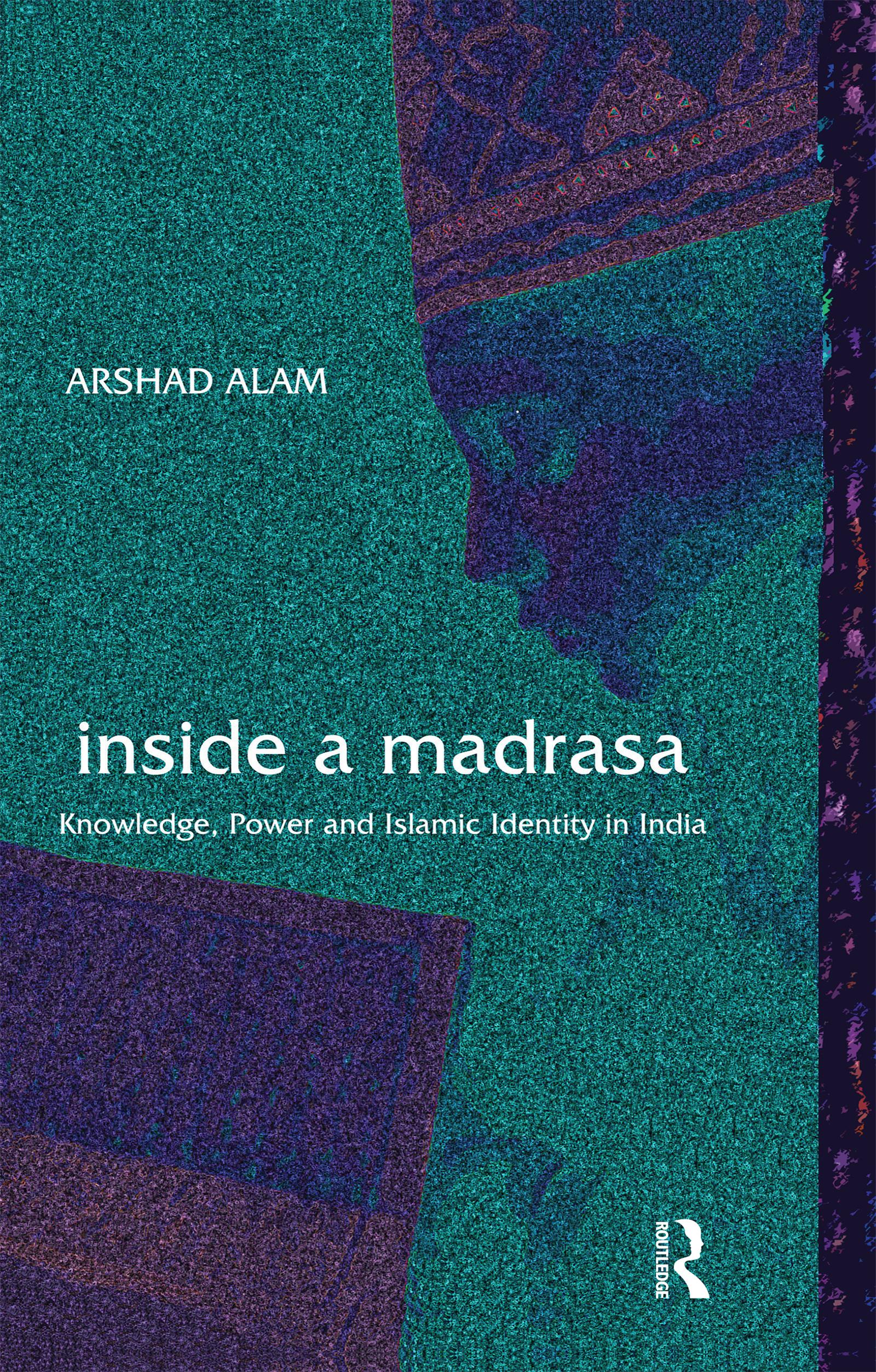
While there exists scholarly works on madrasas in India during medieval times and the colonial period, there is hardly anything on the conditions of madrasas today, and those are by and large based on secondary literature and not grounded in detailed empirical investigation. This work, through ethnographic study undertaken at two madrasas in Mubarakpur in Uttar Pradesh, shows how Indian madrasas represent a diverse array of ideological orientations which is mostly opposed to each other’s interpretation of Islam. If madrasas are about the dissemination of Islamic knowledge, then they also problematize and compete over how best to approach that knowledge; in the process they create and sustain a wide variety of possible interpretations of Islam. This volume will be of interest to scholars and researchers interested in the study of Islam and Indian Muslims. Since it is multidisciplinary in approach, it will find space within the disciplines of sociology, social anthropolgy, history and contemporary studies.
Payez facilement par carte, Klarna, Apple Pay ou Google Pay. Pas satisfait ? Vous avez toujours une garantie de remboursement de 14 jours. En savoir plus dans nos conditions. Si vous avez des questions, envoyez-nous un e-mail à hello@memmo.org.
Memmo facilite tes études, où que tu sois dans le monde. On rassemble tes manuels de cours et des outils d'étude intelligents au même endroit : résumés, quiz, podcasts et flashcards. Et il y a Ted, ton compagnon d'étude qui répond à toutes tes questions. Plus de 50 000 étudiants étudient déjà ici – conçu pour t'aider à apprendre plus vite et à moins stresser.