
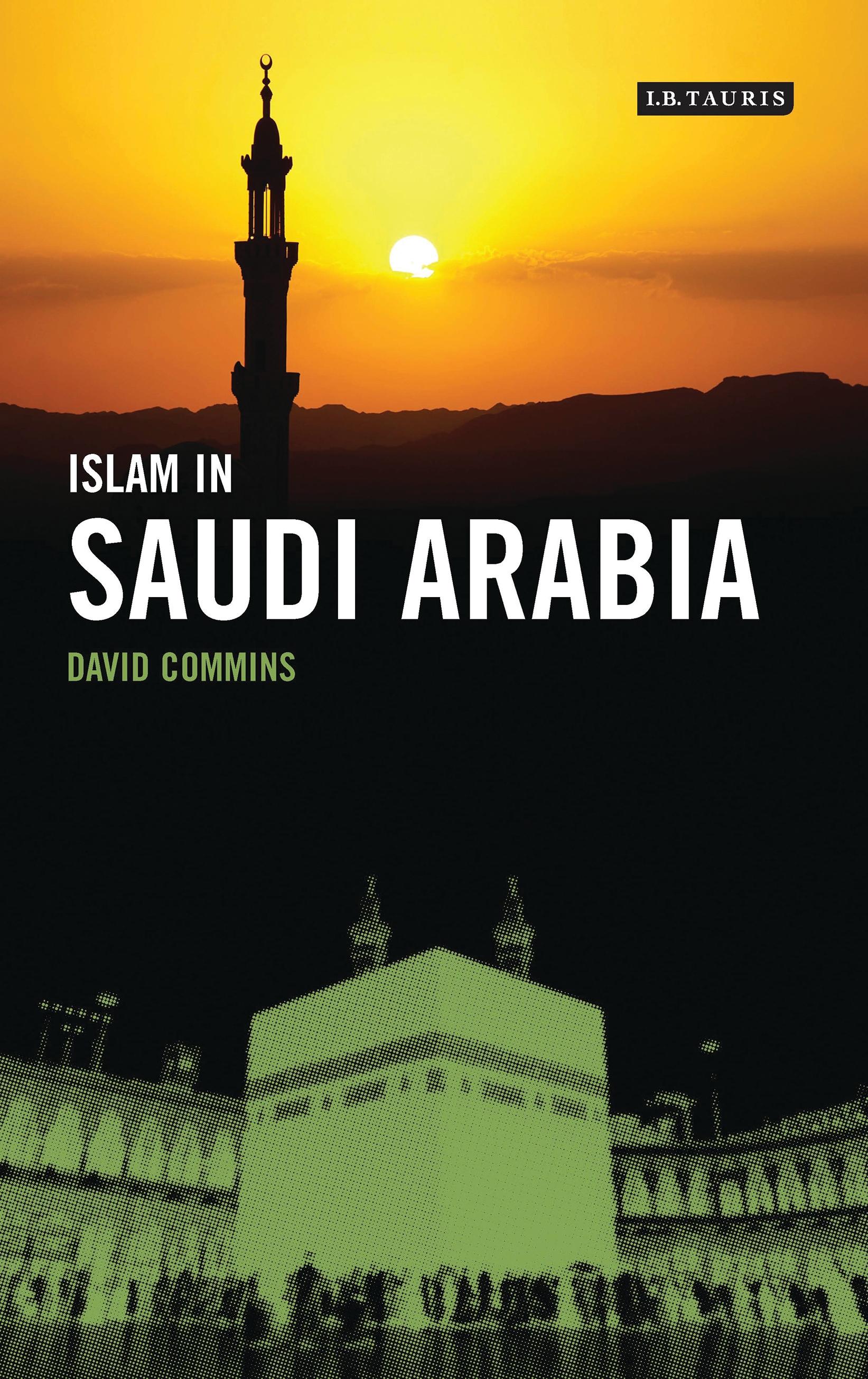
The common image of Saudi Arabia portrays a country where religious rules dictate every detail of daily life: where women may not drive; where unrelated men and women may not interact; where the latter veil their faces; and where banks, restaurants and cafes have dual facilities: one for families, another for men. Yet life in the kingdom, contrary to perception, is not so clear cut as simply obeying dogma. David Commins challenges the stereotype of a country immune to change by highlighting the ways that urbanization, education, consumerism, global communications and technological innovation have exerted pressure against rules issued by the religious establishment. He places the Wahhabi movement in the wider context of Islamic history, showing how state-appointed clerics built on dynastic backing to fashion a model society of Sharia observance and moral virtue. But beneath a surface appearance of obedience to Islamic authority he detects currents that reflect Arabia's heritage of diversity (where Shi'i and Sufi tendencies survive in the face of discrimination) and the effects of its exposure to Western mores.
Payez facilement par carte, Klarna, Apple Pay ou Google Pay. Pas satisfait ? Vous avez toujours une garantie de remboursement de 14 jours. En savoir plus dans nos conditions. Si vous avez des questions, envoyez-nous un e-mail à hello@memmo.org.
Memmo facilite tes études, où que tu sois dans le monde. On rassemble tes manuels de cours et des outils d'étude intelligents au même endroit : résumés, quiz, podcasts et flashcards. Et il y a Ted, ton compagnon d'étude qui répond à toutes tes questions. Plus de 50 000 étudiants étudient déjà ici – conçu pour t'aider à apprendre plus vite et à moins stresser.