
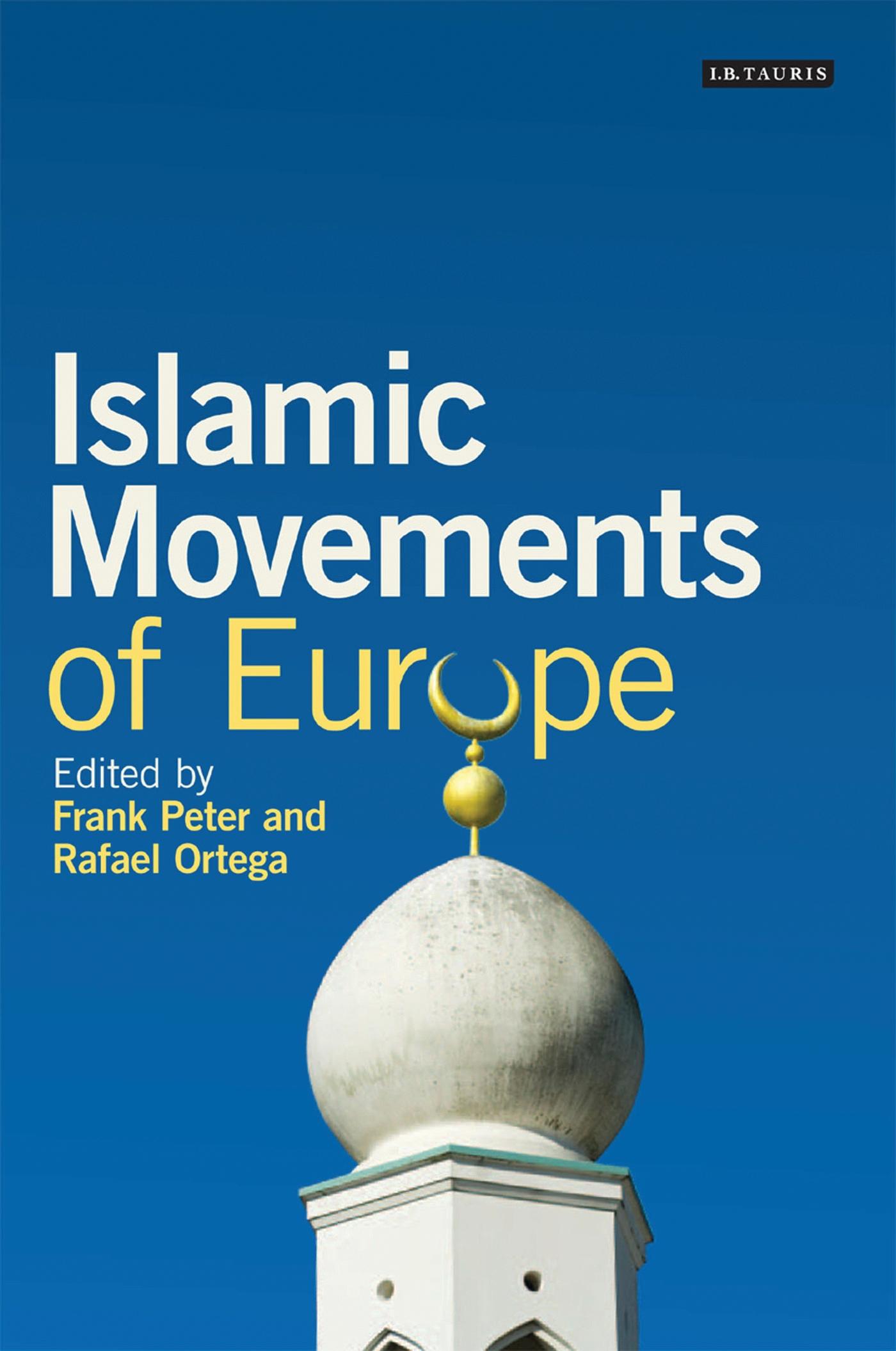
'Islam in Europe' and 'Islamophobia' are subjects of vital global importance which currently preoccupy policy-makers and academics alike. Through the examination of various European Muslim groups and institutions that have branched off from Islamic movements - including the Muslim Brotherhood, Hizb ut-Tahrir and Jama'at-i Islami - this book outlines the configuration of social, political and religious processes that have given rise to new kinds of European Muslim organisations. The authors offer a new perspective on these Muslim groups and seek to reclaim them from the often highly-charged public debates by placing them within the context of their origins as politicised religious movements on the one hand and their ongoing incorporation into European societal structures on the other. They also consider the relationship of these organisations to their 'parent' movements and examine the presence of Islam in European education and higher education institutions.
Taking into account the connection between Islamic movements and the perceived surge of 'Islamophobia' in Europe, this book does not debate the question of whether these groups fit into normative or cultural structures of European nation-states, but rather examines how these structures have changed through their interaction with these groups and the growing Muslim population within Europe. It does not consider political Islam as the antithesis to a refined notion of secularism, but as a form of public religion which contributes to the ever-changing structure of Europe's secular regimes. Featuring the work of more than 40 scholars from around the world, this is the comprehensive guide to Islamic movements in Europe, offering original, definitive perspectives on Muslims and Islam in Europe today. It will be essential reading for policy-makers, political commentators and scholars alike.
Taking into account the connection between Islamic movements and the perceived surge of 'Islamophobia' in Europe, this book does not debate the question of whether these groups fit into normative or cultural structures of European nation-states, but rather examines how these structures have changed through their interaction with these groups and the growing Muslim population within Europe. It does not consider political Islam as the antithesis to a refined notion of secularism, but as a form of public religion which contributes to the ever-changing structure of Europe's secular regimes. Featuring the work of more than 40 scholars from around the world, this is the comprehensive guide to Islamic movements in Europe, offering original, definitive perspectives on Muslims and Islam in Europe today. It will be essential reading for policy-makers, political commentators and scholars alike.
Payez facilement par carte, Klarna, Apple Pay ou Google Pay. Pas satisfait ? Vous avez toujours une garantie de remboursement de 14 jours. En savoir plus dans nos conditions. Si vous avez des questions, envoyez-nous un e-mail à hello@memmo.org.
Memmo facilite tes études, où que tu sois dans le monde. On rassemble tes manuels de cours et des outils d'étude intelligents au même endroit : résumés, quiz, podcasts et flashcards. Et il y a Ted, ton compagnon d'étude qui répond à toutes tes questions. Plus de 50 000 étudiants étudient déjà ici – conçu pour t'aider à apprendre plus vite et à moins stresser.