
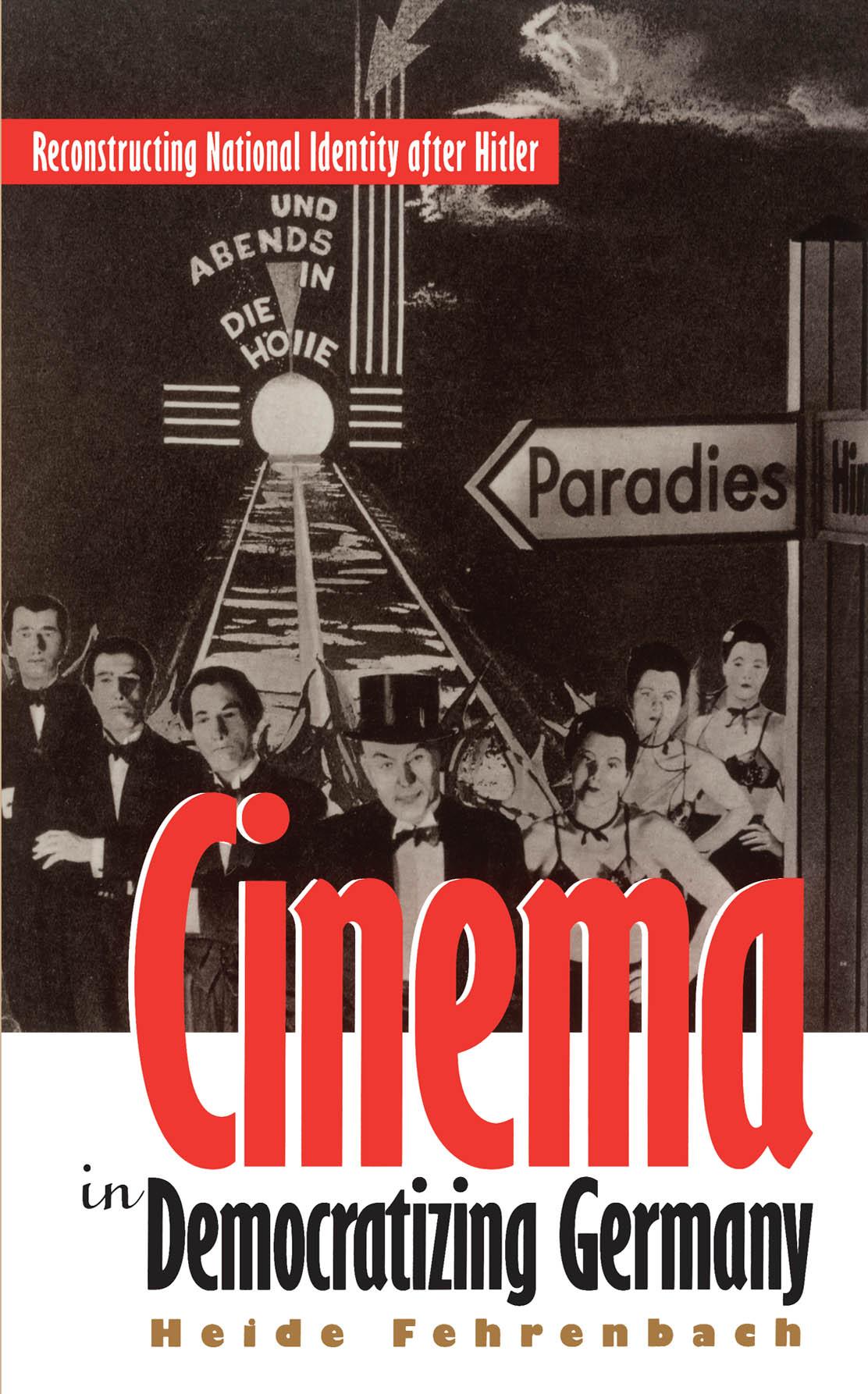
Heide Fehrenbach analyzes the important role cinema played in the reconstruction of German cultural and political identity between 1945 and 1962. Concentrating on the former West Germany, she explores the complex political uses of film — and the meanings attributed to film representation and spectatorship — during a period of abrupt transition to democracy. According to Fehrenbach, the process of national redefinition made cinema and cinematic control a focus of heated ideological debate. Moving beyond a narrow political examination of Allied-German negotiations, she investigates the broader social nexus of popular moviegoing, public demonstrations, film clubs, and municipal festivals. She also draws on work in gender and film studies to probe the ways filmmakers, students, church leaders, local politicians, and the general public articulated national identity in relation to the challenges posed by military occupation, American commercial culture, and redefined gender roles. Thus highlighting the links between national identity and cultural practice, this book provides a richer picture of what German reconstruction entailed for both women and men.
Payez facilement par carte, Klarna, Apple Pay ou Google Pay. Pas satisfait ? Vous avez toujours une garantie de remboursement de 14 jours. En savoir plus dans nos conditions. Si vous avez des questions, envoyez-nous un e-mail à hello@memmo.org.
Memmo facilite tes études, où que tu sois dans le monde. On rassemble tes manuels de cours et des outils d'étude intelligents au même endroit : résumés, quiz, podcasts et flashcards. Et il y a Ted, ton compagnon d'étude qui répond à toutes tes questions. Plus de 50 000 étudiants étudient déjà ici – conçu pour t'aider à apprendre plus vite et à moins stresser.
Tu pourrais aussi aimer
Acheter le livre0