
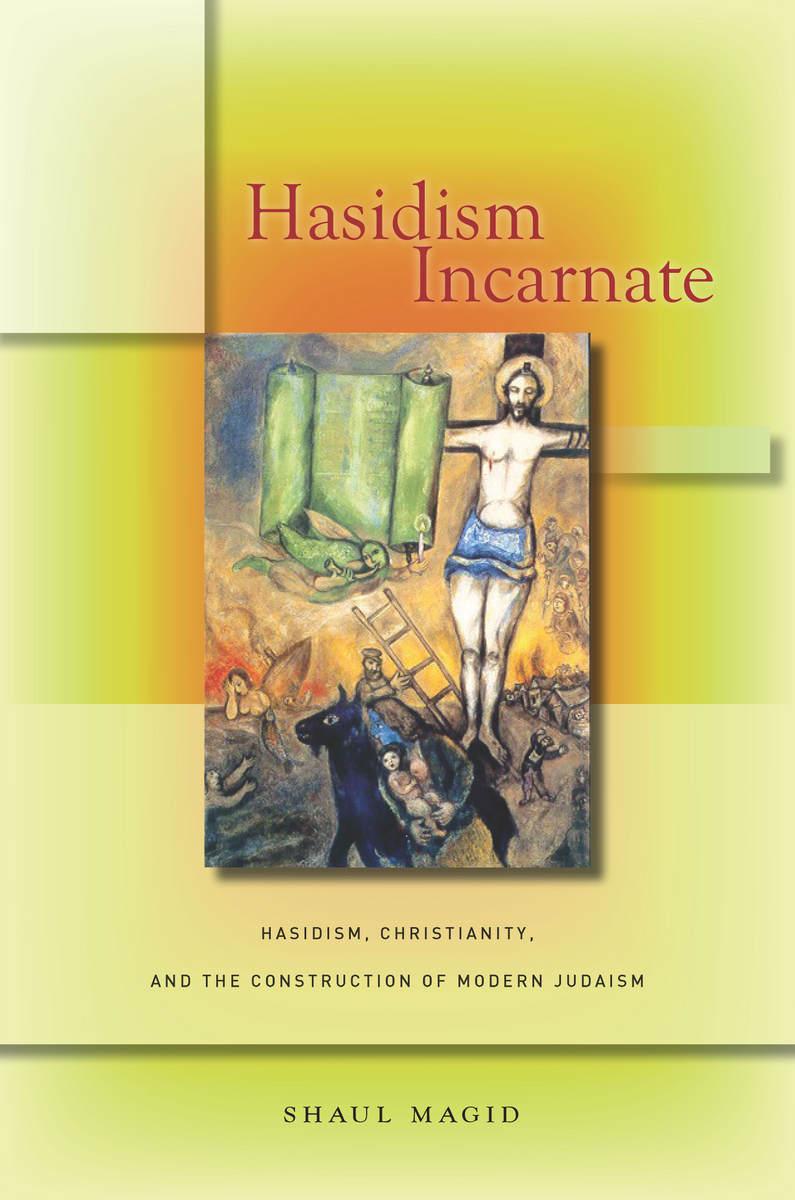
Hasidism Incarnate contends that much of modern Judaism in the West developed in reaction to Christianity and in defense of Judaism as a unique tradition. Ironically enough, this occurred even as modern Judaism increasingly dovetailed with Christianity with regard to its ethos, aesthetics, and attitude toward ritual and faith. Shaul Magid argues that the Hasidic movement in Eastern Europe constitutes an alternative "modernity," one that opens a new window on Jewish theological history. Unlike Judaism in German lands, Hasidism did not develop under a "Christian gaze" and had no need to be apologetic of its positions. Unburdened by an apologetic agenda (at least toward Christianity), it offered a particular reading of medieval Jewish Kabbalah filtered through a focus on the charismatic leader that resulted in a religious worldview that has much in common with Christianity. It is not that Hasidic masters knew about Christianity; rather, the basic tenets of Christianity remained present, albeit often in veiled form, in much kabbalistic teaching that Hasidism took up in its portrayal of the charismatic figure of the zaddik, whom it often described in supernatural terms.
Payez facilement par carte, Klarna, Apple Pay ou Google Pay. Pas satisfait ? Vous avez toujours une garantie de remboursement de 14 jours. En savoir plus dans nos conditions. Si vous avez des questions, envoyez-nous un e-mail à hello@memmo.org.
Memmo facilite tes études, où que tu sois dans le monde. On rassemble tes manuels de cours et des outils d'étude intelligents au même endroit : résumés, quiz, podcasts et flashcards. Et il y a Ted, ton compagnon d'étude qui répond à toutes tes questions. Plus de 50 000 étudiants étudient déjà ici – conçu pour t'aider à apprendre plus vite et à moins stresser.