
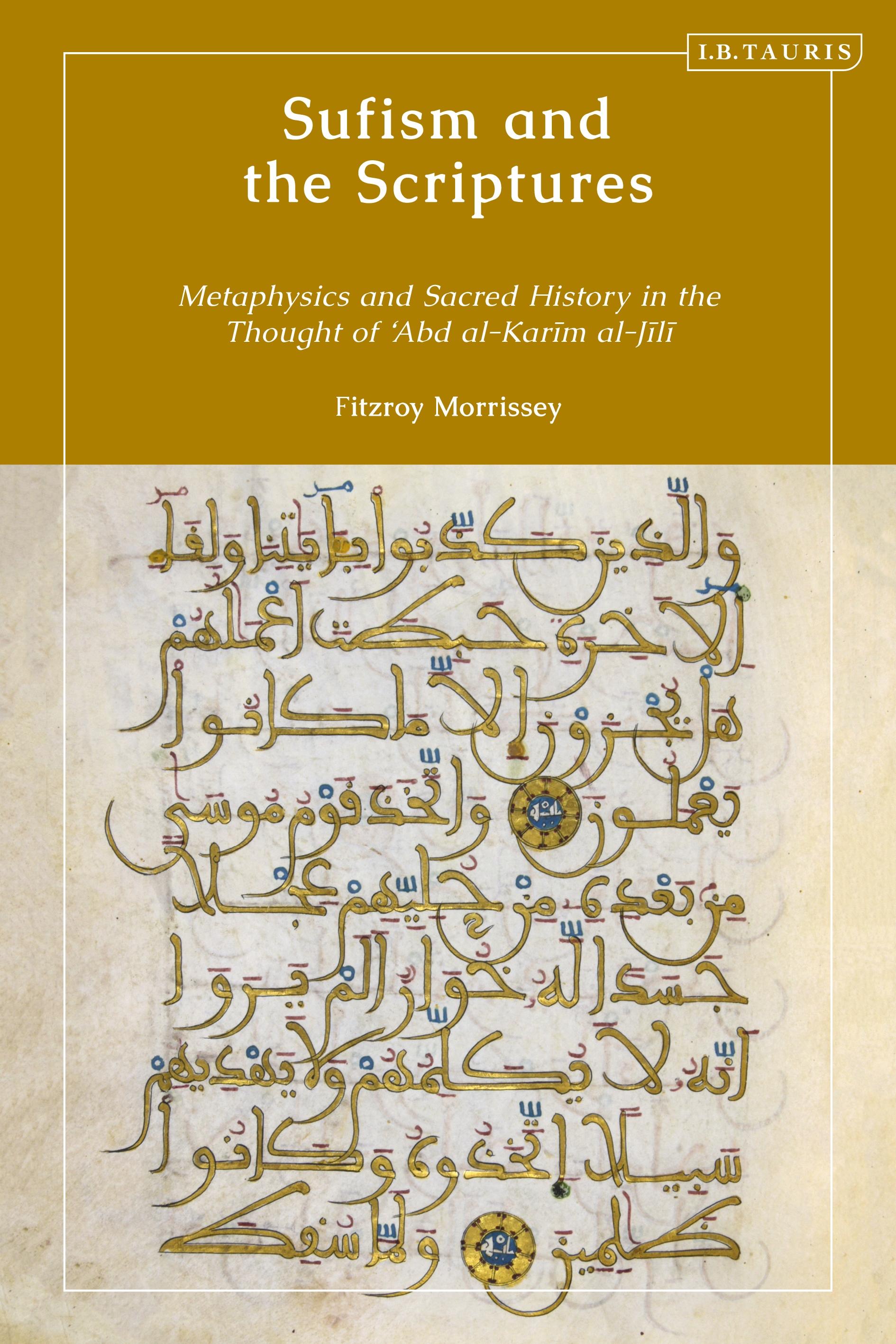
The Sufi thinker 'Abd al-Karim al-Jili (d. 1408) is best-known for his treatment of the idea of the Perfect Human, yet his masterpiece, al-Insan al-kamil (The Perfect Human), is in fact a wide-ranging compendium of Sufi metaphysical thought in the Ibn 'Arabian tradition. One of the major topics treated in that work is sacred history, the story of God's revelation of the truth to humanity through His prophets and scriptures.
Fitzroy Morrissey provides here the first in-depth study of this important section of al-Jili's major work and the key ideas contained within it. Through a translation and analysis of the key passages on the Qur'an, Torah, Psalms and Gospel, it shows how al-Jili's view of sacred history is conditioned by his Ibn 'Arabian Sufi metaphysics, whereby the phenomenal world is viewed as a manifestation of God, and the prophets and scriptures as special places where the divine attributes appear more completely. It also looks at how this idea influences al-Jili's understanding of the hierarchy of prophets, scriptures and religions. The book argues that, contrary to common assumptions, al-Jili's Sufi metaphysical view of sacred history is in keeping with the common medieval Muslim view of sacred history, whereby the Qur'an is viewed as the best of scriptures, Muhammad as the best of prophets, and Islam as the best religion. The book therefore not only gives an insight into a key text within medieval Sufi thought, but also has ramifications for our understanding of medieval Sufi views on the relationship between Islam and other religions.
Fitzroy Morrissey provides here the first in-depth study of this important section of al-Jili's major work and the key ideas contained within it. Through a translation and analysis of the key passages on the Qur'an, Torah, Psalms and Gospel, it shows how al-Jili's view of sacred history is conditioned by his Ibn 'Arabian Sufi metaphysics, whereby the phenomenal world is viewed as a manifestation of God, and the prophets and scriptures as special places where the divine attributes appear more completely. It also looks at how this idea influences al-Jili's understanding of the hierarchy of prophets, scriptures and religions. The book argues that, contrary to common assumptions, al-Jili's Sufi metaphysical view of sacred history is in keeping with the common medieval Muslim view of sacred history, whereby the Qur'an is viewed as the best of scriptures, Muhammad as the best of prophets, and Islam as the best religion. The book therefore not only gives an insight into a key text within medieval Sufi thought, but also has ramifications for our understanding of medieval Sufi views on the relationship between Islam and other religions.
Pages: 256
Catégorie: Religion & Teologi
e-ISBN: 9780755618323
Poids d'expédition: 1.2 kg
Expédié sous: 1-2 jours
Payez facilement par carte, Klarna, Apple Pay ou Google Pay. Pas satisfait ? Vous avez toujours une garantie de remboursement de 14 jours. En savoir plus dans nos conditions. Si vous avez des questions, envoyez-nous un e-mail à hello@memmo.org.
Memmo facilite tes études, où que tu sois dans le monde. On rassemble tes manuels de cours et des outils d'étude intelligents au même endroit : résumés, quiz, podcasts et flashcards. Et il y a Ted, ton compagnon d'étude qui répond à toutes tes questions. Plus de 50 000 étudiants étudient déjà ici – conçu pour t'aider à apprendre plus vite et à moins stresser.