
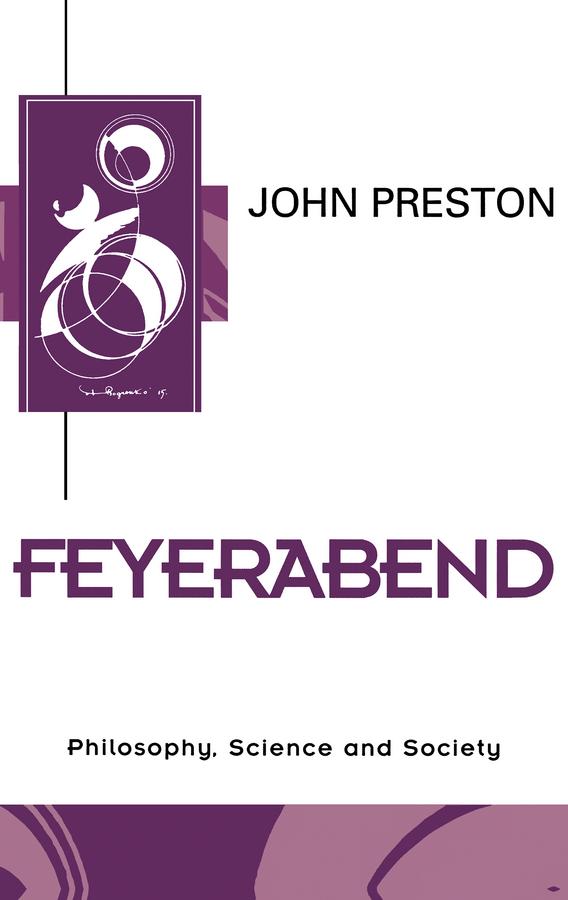
The book traces the evolution of Feyerabend's thought, beginning with his early attempt to graft insights from Wittgenstein's conception of meaning onto Popper's falsificationist philosophy. The key elements of Feyerabend's model of the acquisition of knowledge are identified and critically evaluated. Feyerabend's early work emerges as a continuation of Popper's philosophy of science, rather than as a contribution to the historical approach to science with which he is usually associated.
In his more notorious later work, Feyerabend claimed that there was, and should be, no such thing as the scientific method. The roots of Feyerabend's 'epistemological anarchism' are exposed and the weaknesses of his cultural relativism are brought out.
Throughout the book, Preston discusses the influence of Feyerabend's thought on contemporary philosophers and traces his stimulating but divided legacy. The book will be of interest to students of philosophy, methodology, and the social sciences.
Payez facilement par carte, Klarna, Apple Pay ou Google Pay. Pas satisfait ? Vous avez toujours une garantie de remboursement de 14 jours. En savoir plus dans nos conditions. Si vous avez des questions, envoyez-nous un e-mail à hello@memmo.org.
Memmo facilite tes études, où que tu sois dans le monde. On rassemble tes manuels de cours et des outils d'étude intelligents au même endroit : résumés, quiz, podcasts et flashcards. Et il y a Ted, ton compagnon d'étude qui répond à toutes tes questions. Plus de 50 000 étudiants étudient déjà ici – conçu pour t'aider à apprendre plus vite et à moins stresser.