
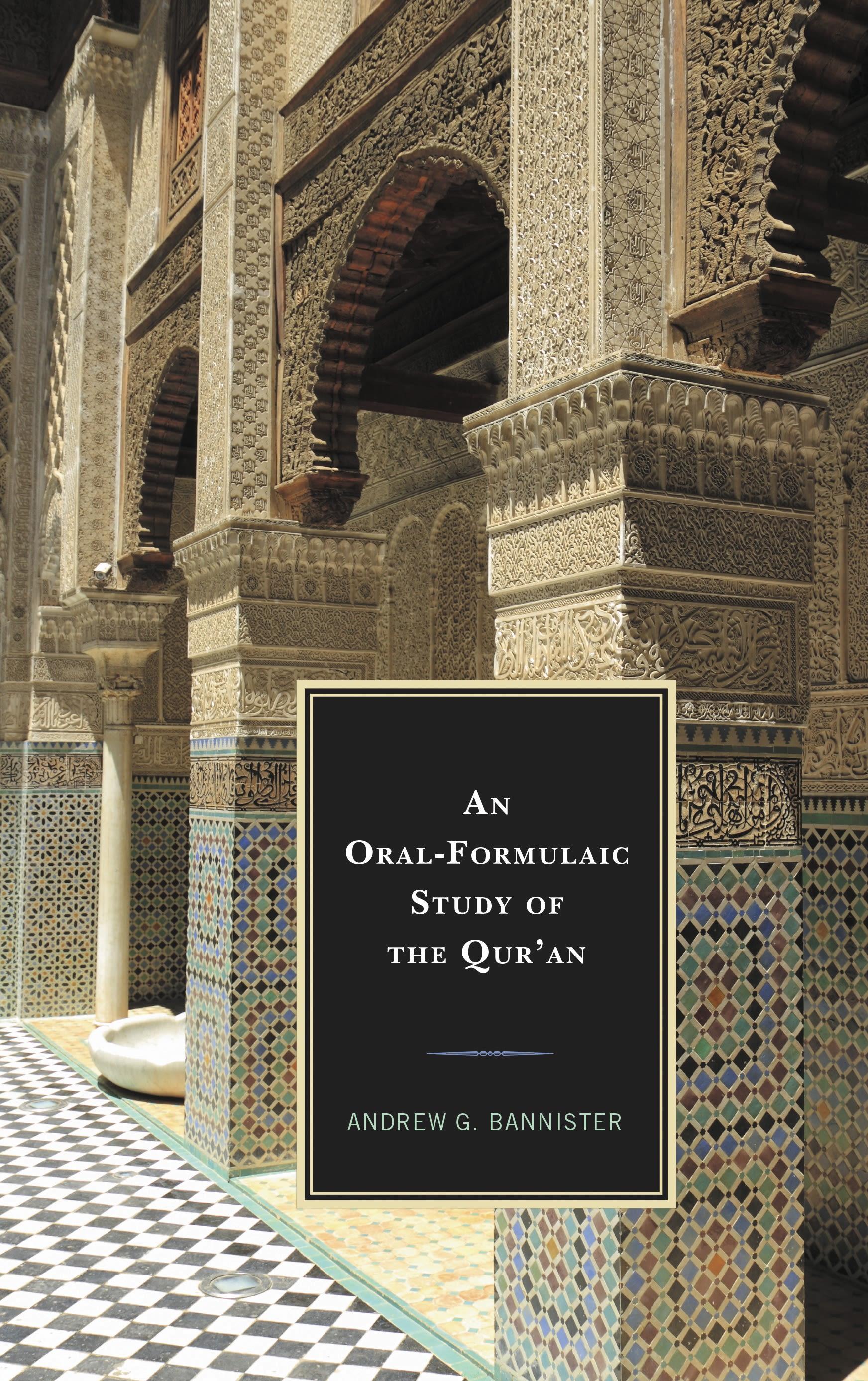
The Qur’an makes extensive use of older religious material, stories, and traditions that predate the origins of Islam, and there has long been a fierce debate about how this material found its way into the Qur’an. This unique book argues that this debate has largely been characterized by a failure to fully appreciate the Qur’an as a predominately oral product.
Using innovative computerized linguistic analysis, this study demonstrates that the Qur’an displays many of the signs of oral composition that have been found in other traditional literature. When one then combines these computerized results with other clues to the Qur’an’s origins (such as the demonstrably oral culture that both predated and preceded the Qur’an, as well as the “folk memory” in the Islamic tradition that Muhammad was an oral performer) these multiple lines of evidence converge and point to the conclusion that large portions of the Qur’an need to be understood as being constructed live, in oral performance.
Combining historical, linguistic, and statistical analysis, much of it made possible for the first time due to new computerized tools developed specifically for this book, Bannister argues that the implications of orality have long been overlooked in studies of the Qur’an. By relocating the Islamic scripture firmly back into an oral context, one gains both a fresh appreciation of the Qur’an on its own terms, as well as a fresh understanding of how Muhammad used early religious traditions, retelling old tales afresh for a new audience.
Using innovative computerized linguistic analysis, this study demonstrates that the Qur’an displays many of the signs of oral composition that have been found in other traditional literature. When one then combines these computerized results with other clues to the Qur’an’s origins (such as the demonstrably oral culture that both predated and preceded the Qur’an, as well as the “folk memory” in the Islamic tradition that Muhammad was an oral performer) these multiple lines of evidence converge and point to the conclusion that large portions of the Qur’an need to be understood as being constructed live, in oral performance.
Combining historical, linguistic, and statistical analysis, much of it made possible for the first time due to new computerized tools developed specifically for this book, Bannister argues that the implications of orality have long been overlooked in studies of the Qur’an. By relocating the Islamic scripture firmly back into an oral context, one gains both a fresh appreciation of the Qur’an on its own terms, as well as a fresh understanding of how Muhammad used early religious traditions, retelling old tales afresh for a new audience.
Payez facilement par carte, Klarna, Apple Pay ou Google Pay. Pas satisfait ? Vous avez toujours une garantie de remboursement de 14 jours. En savoir plus dans nos conditions. Si vous avez des questions, envoyez-nous un e-mail à hello@memmo.org.
Memmo facilite tes études, où que tu sois dans le monde. On rassemble tes manuels de cours et des outils d'étude intelligents au même endroit : résumés, quiz, podcasts et flashcards. Et il y a Ted, ton compagnon d'étude qui répond à toutes tes questions. Plus de 50 000 étudiants étudient déjà ici – conçu pour t'aider à apprendre plus vite et à moins stresser.