
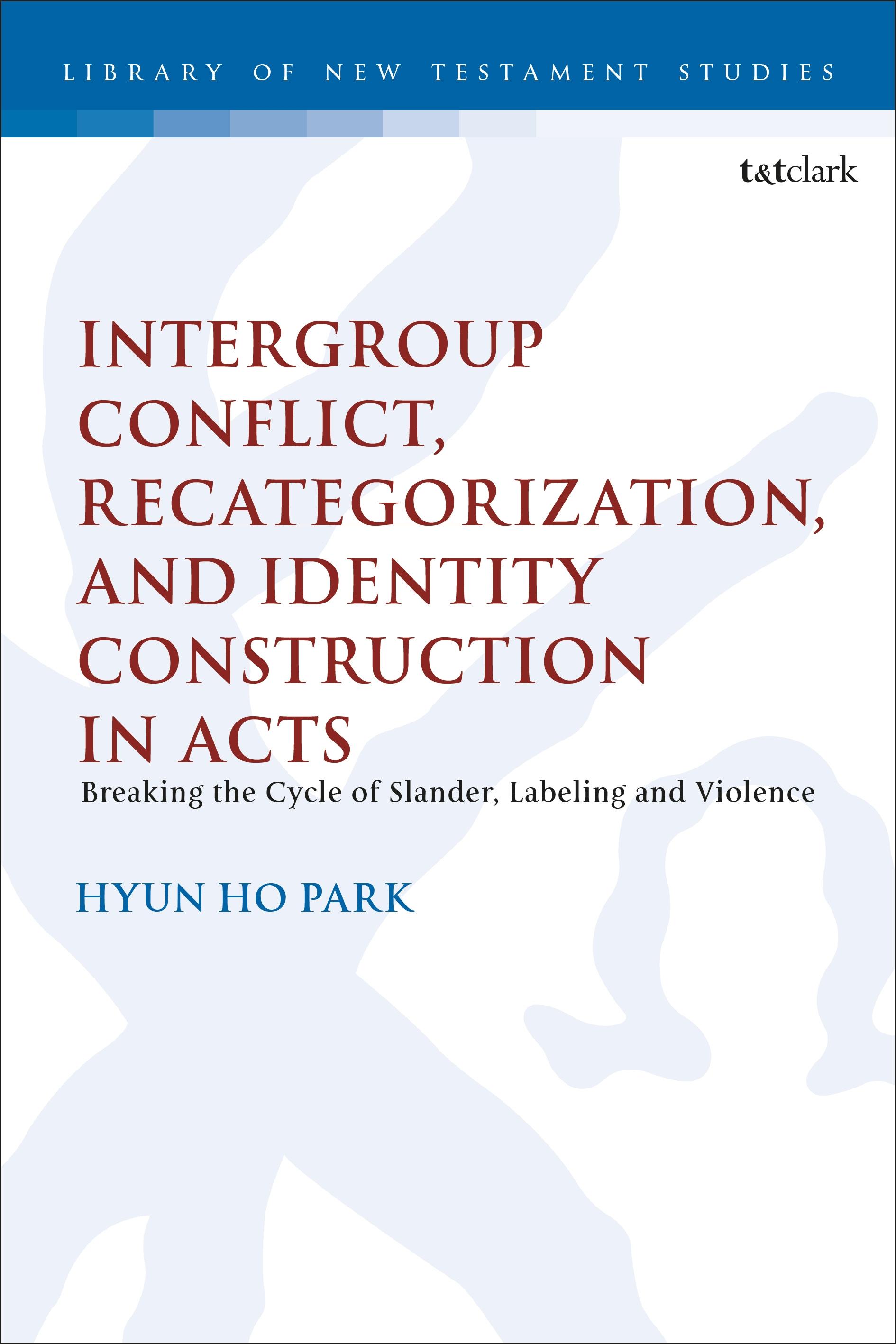
Hyun Ho Park employs social identity to create the first thorough analysis via such methodology of Acts 21:17-23:35, which contains one of the fiercest intergroup conflicts in Acts. Park's assessment allows his readers to rethink, reevaluate, and reimagine Jewish-Christian relations; teaches them how to respond to the vicious cycle of slander, labeling, and violence permeating contemporary public and private spheres; and presents a new hermeneutical cycle and describes how readers may apply it to their own sociopolitical contexts.
After surveying previous studies of the text, Park first analyses Paul's welcome, questioning, and arrest, and how slandering and labeling make Paul an outsider. Park then describes how, through defending his Jewish identity and the Way, Paul nuances his public image and re-categorizes himself and the Way as part of the people of God. When Paul identifies himself as a Roman and later a Pharisee, Park examines Luke's ambivalent attitude toward Rome and the Pharisees, and assesses how Paul escapes dangerous situations by claiming different social identities at different times.
Finally, he discloses the vicious cycle of slander, labeling, and violence not only against the Way but also against the Jews and challenges the discursive process of identity construction through intergroup conflict with an out-group, especially the proximate “Other.” Furthermore, he demonstrates how the relevance of such scholarship is not limited to Lukan studies or even biblical studies in general; the frequent use of slander, labeling, and violence in the politics of the United States and other polarized countries around the globe demands new ways of looking at intergroup relations, and Park's argument meets the needs of those seeking a new perspective on contemporary political discord.
After surveying previous studies of the text, Park first analyses Paul's welcome, questioning, and arrest, and how slandering and labeling make Paul an outsider. Park then describes how, through defending his Jewish identity and the Way, Paul nuances his public image and re-categorizes himself and the Way as part of the people of God. When Paul identifies himself as a Roman and later a Pharisee, Park examines Luke's ambivalent attitude toward Rome and the Pharisees, and assesses how Paul escapes dangerous situations by claiming different social identities at different times.
Finally, he discloses the vicious cycle of slander, labeling, and violence not only against the Way but also against the Jews and challenges the discursive process of identity construction through intergroup conflict with an out-group, especially the proximate “Other.” Furthermore, he demonstrates how the relevance of such scholarship is not limited to Lukan studies or even biblical studies in general; the frequent use of slander, labeling, and violence in the politics of the United States and other polarized countries around the globe demands new ways of looking at intergroup relations, and Park's argument meets the needs of those seeking a new perspective on contemporary political discord.
Payez facilement par carte, Klarna, Apple Pay ou Google Pay. Pas satisfait ? Vous avez toujours une garantie de remboursement de 14 jours. En savoir plus dans nos conditions. Si vous avez des questions, envoyez-nous un e-mail à hello@memmo.org.
Memmo facilite tes études, où que tu sois dans le monde. On rassemble tes manuels de cours et des outils d'étude intelligents au même endroit : résumés, quiz, podcasts et flashcards. Et il y a Ted, ton compagnon d'étude qui répond à toutes tes questions. Plus de 50 000 étudiants étudient déjà ici – conçu pour t'aider à apprendre plus vite et à moins stresser.