
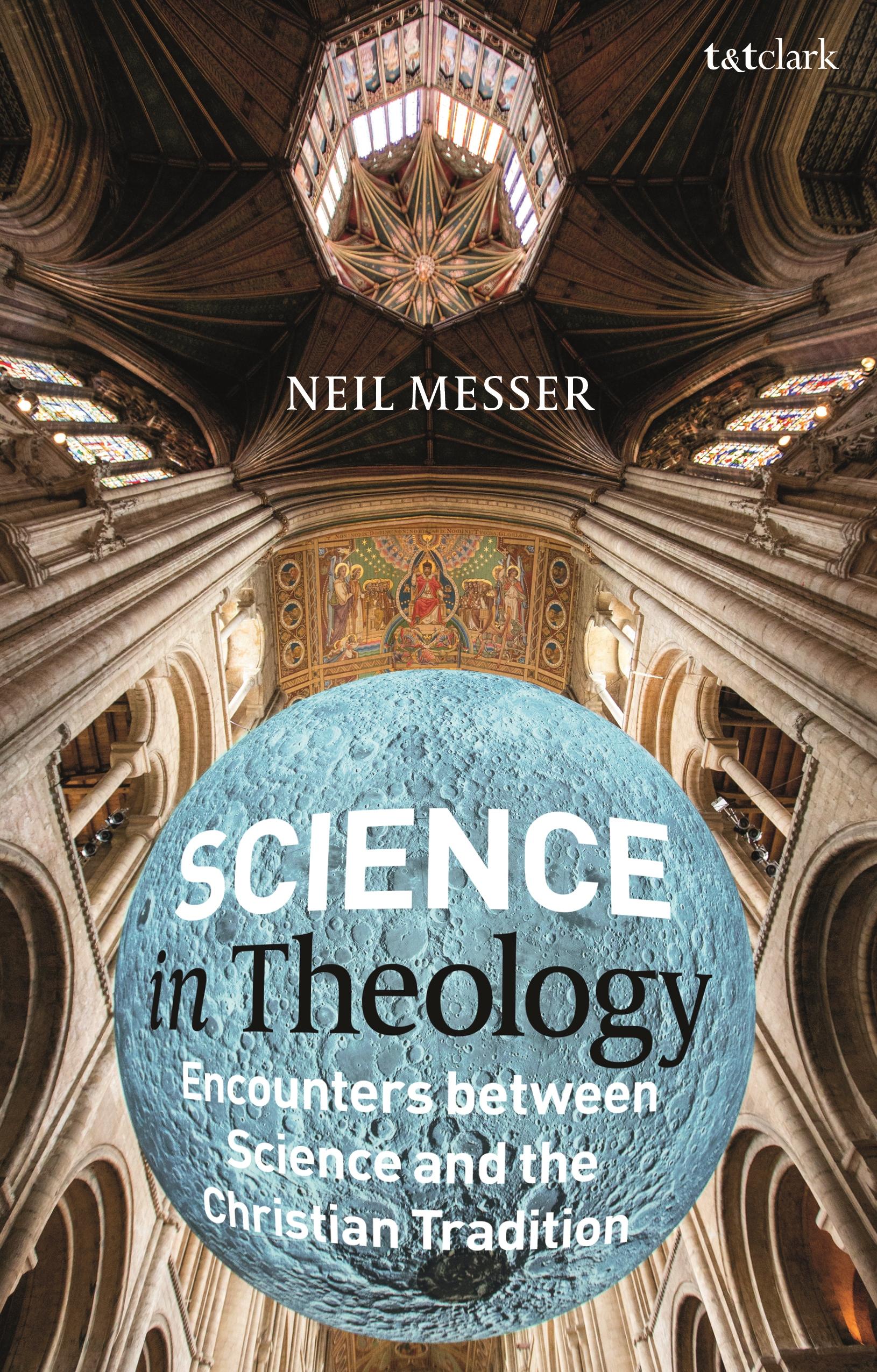
If we wish to understand ourselves and the world in relation to God, what contribution to our understanding should we expect from a Christian tradition with its roots in the Bible, and what should we expect from the natural sciences?
Neil Messer sets out five types of answer to that question. The responses range from the view that the Christian tradition has nothing to contribute, through various forms of dialogue, to the claim that science is irrelevant to theological understanding. This classification scheme is illustrated and tested by extended explorations of three topics in the science and theology field: how to think about God's action in the world, how to make theological sense of the suffering and destruction involved in the evolution of life, and how theology should respond to the scientific study of religion. The classification offers a way to understand and evaluate these debates, and the discussion of specific examples demonstrates the strengths and weaknesses of each type of approach.
The book concludes with suggestions for how readers might use this scheme to guide their own work on science and theology. For students and researchers in science and theology, this book offers three things: a tool for understanding specific debates in science and theology, critical surveys of some of the most important debates in the field, and a concise guide to ways of setting up encounters of theology with science.
Neil Messer sets out five types of answer to that question. The responses range from the view that the Christian tradition has nothing to contribute, through various forms of dialogue, to the claim that science is irrelevant to theological understanding. This classification scheme is illustrated and tested by extended explorations of three topics in the science and theology field: how to think about God's action in the world, how to make theological sense of the suffering and destruction involved in the evolution of life, and how theology should respond to the scientific study of religion. The classification offers a way to understand and evaluate these debates, and the discussion of specific examples demonstrates the strengths and weaknesses of each type of approach.
The book concludes with suggestions for how readers might use this scheme to guide their own work on science and theology. For students and researchers in science and theology, this book offers three things: a tool for understanding specific debates in science and theology, critical surveys of some of the most important debates in the field, and a concise guide to ways of setting up encounters of theology with science.
Pages: 208
Catégorie: Religion & Teologi
e-ISBN: 9780567689849
Poids d'expédition: 1.2 kg
Expédié sous: 1-2 jours
Payez facilement par carte, Klarna, Apple Pay ou Google Pay. Pas satisfait ? Vous avez toujours une garantie de remboursement de 14 jours. En savoir plus dans nos conditions. Si vous avez des questions, envoyez-nous un e-mail à hello@memmo.org.
Memmo facilite tes études, où que tu sois dans le monde. On rassemble tes manuels de cours et des outils d'étude intelligents au même endroit : résumés, quiz, podcasts et flashcards. Et il y a Ted, ton compagnon d'étude qui répond à toutes tes questions. Plus de 50 000 étudiants étudient déjà ici – conçu pour t'aider à apprendre plus vite et à moins stresser.