
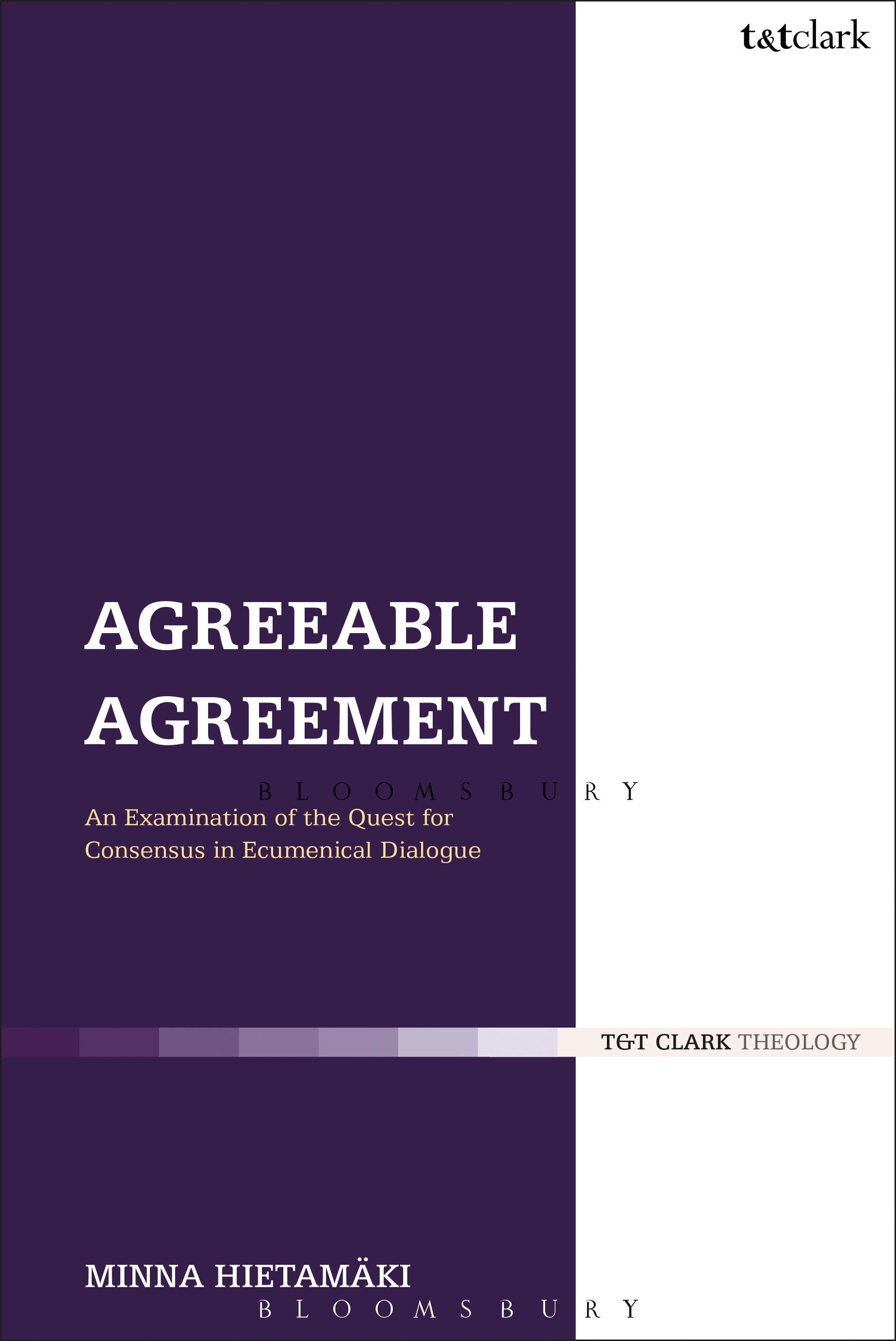
In recent bilateral ecumenical dialogue the aim of the dialogue has been to reach some form of doctrinal consensus. The three major chapters of the book discuss the variety of forms of doctrinal consensus found in ecumenical dialogues among Anglicans, Lutherans and Roman Catholics. In general, the dialogue documents argue for agreement/consensus based on commonality or compatibility.
Each of the three dialogue processes has specific characteristics and formulates its argument in a unique way. The Lutheran-Roman Catholic dialogue has a particular interest in hermeneutical questions and proposes various forms of "differentiated" or perspectival forms of consensus. The Anglican-Roman Catholic dialogue emphasises the correctness of interpretations. The documents consciously look towards a "common future", not the separated past.
Each of the three dialogue processes has specific characteristics and formulates its argument in a unique way. The Lutheran-Roman Catholic dialogue has a particular interest in hermeneutical questions and proposes various forms of "differentiated" or perspectival forms of consensus. The Anglican-Roman Catholic dialogue emphasises the correctness of interpretations. The documents consciously look towards a "common future", not the separated past.
Payez facilement par carte, Klarna, Apple Pay ou Google Pay. Pas satisfait ? Vous avez toujours une garantie de remboursement de 14 jours. En savoir plus dans nos conditions. Si vous avez des questions, envoyez-nous un e-mail à hello@memmo.org.
Memmo facilite tes études, où que tu sois dans le monde. On rassemble tes manuels de cours et des outils d'étude intelligents au même endroit : résumés, quiz, podcasts et flashcards. Et il y a Ted, ton compagnon d'étude qui répond à toutes tes questions. Plus de 50 000 étudiants étudient déjà ici – conçu pour t'aider à apprendre plus vite et à moins stresser.