
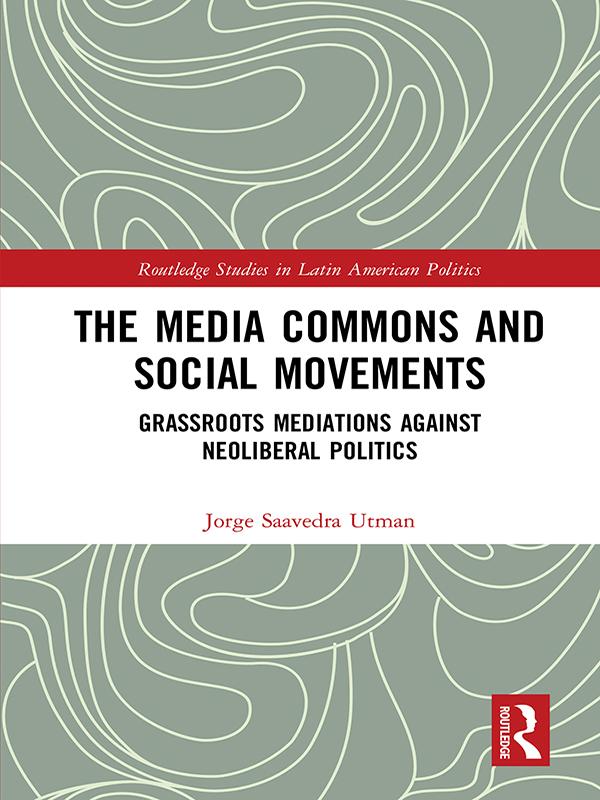
What does it mean to have a voice in a formal democracy operating under neoliberal guidelines and with an almost entirely private media system? How can the people gain their voice and engage in a dialogue with hegemonic actors and discourses?
In this book, Jorge Saavedra Utman examines the role of media and communicative practices during one of the largest social mobilizations in Latin America in the last 30 years: Chile’s 2011 students’ movement. Saavedra Utman observes the eye-catching, subversive, but also intimate practices that, in a country with a liberal democracy and neoliberal policies, allowed people to speak up and become political actors from grassroots positions. Presenting rich qualitative data that is sourced from interviews and focus groups with activists, he introduces a fresh perspective on the study of media and communications and social movements. Saavedra Utman paints a clearer picture of contentious events since 2011 - like the Arab Spring and Occupy – to understand the relevance of media and communications in contemporary quests for participation and democracy.
Promising to be an important book, The Media Commons and Social Movements represents a significant contribution to our understanding of communicative dimensions of protest and social change.
Payez facilement par carte, Klarna, Apple Pay ou Google Pay. Pas satisfait ? Vous avez toujours une garantie de remboursement de 14 jours. En savoir plus dans nos conditions. Si vous avez des questions, envoyez-nous un e-mail à hello@memmo.org.
Memmo facilite tes études, où que tu sois dans le monde. On rassemble tes manuels de cours et des outils d'étude intelligents au même endroit : résumés, quiz, podcasts et flashcards. Et il y a Ted, ton compagnon d'étude qui répond à toutes tes questions. Plus de 50 000 étudiants étudient déjà ici – conçu pour t'aider à apprendre plus vite et à moins stresser.