
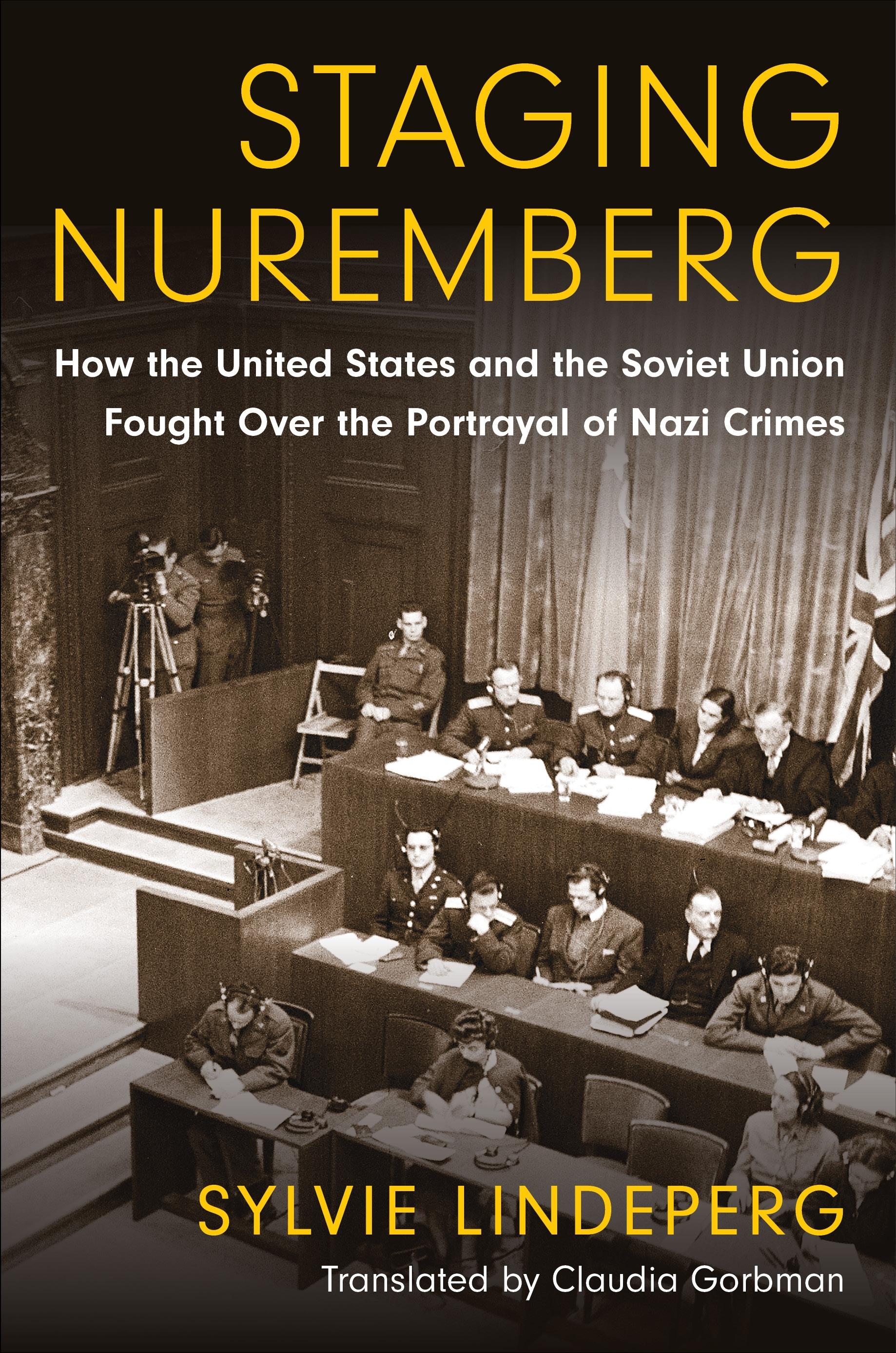
As victory in World War II drew near, the Allies decided to hold a major trial of Nazi leaders, which began in Nuremberg in November 1945. Conflict soon broke out between the United States and the Soviet Union over not only how to assess German guilt but also how to depict the trial. The Americans saw it as a judicial and media spectacle that would convey “the greatest moral tale ever told,” illustrated with Hollywood techniques. The Soviets, for their part, drew on extensive experience filming show trials to craft their own narrative of the tribunal.
Sylvie Lindeperg offers a pioneering account of the cinematic stagecraft, storytelling, and imagery of the Nuremberg trials, revealing how film was used both as legal evidence and as a propaganda tool. She follows the American campaign to influence world opinion before, during, and after the trial, on stage and behind the scenes. Lindeberg chronicles how the hope of scripting a Hollywood-style courtroom drama crumbled amid rising geopolitical tensions and the mundane reality of the tribunal. The book interweaves in-depth reconstruction of the filming of the trial with portraits of the colorful characters who played leading or supporting roles. Drawing on American, British, Soviet, French, and German archives as well as analysis of films, newsreels, and photographs, Staging Nuremberg is a revelatory study of the theater of justice.
Payez facilement par carte, Klarna, Apple Pay ou Google Pay. Pas satisfait ? Vous avez toujours une garantie de remboursement de 14 jours. En savoir plus dans nos conditions. Si vous avez des questions, envoyez-nous un e-mail à hello@memmo.org.
Memmo facilite tes études, où que tu sois dans le monde. On rassemble tes manuels de cours et des outils d'étude intelligents au même endroit : résumés, quiz, podcasts et flashcards. Et il y a Ted, ton compagnon d'étude qui répond à toutes tes questions. Plus de 50 000 étudiants étudient déjà ici – conçu pour t'aider à apprendre plus vite et à moins stresser.