
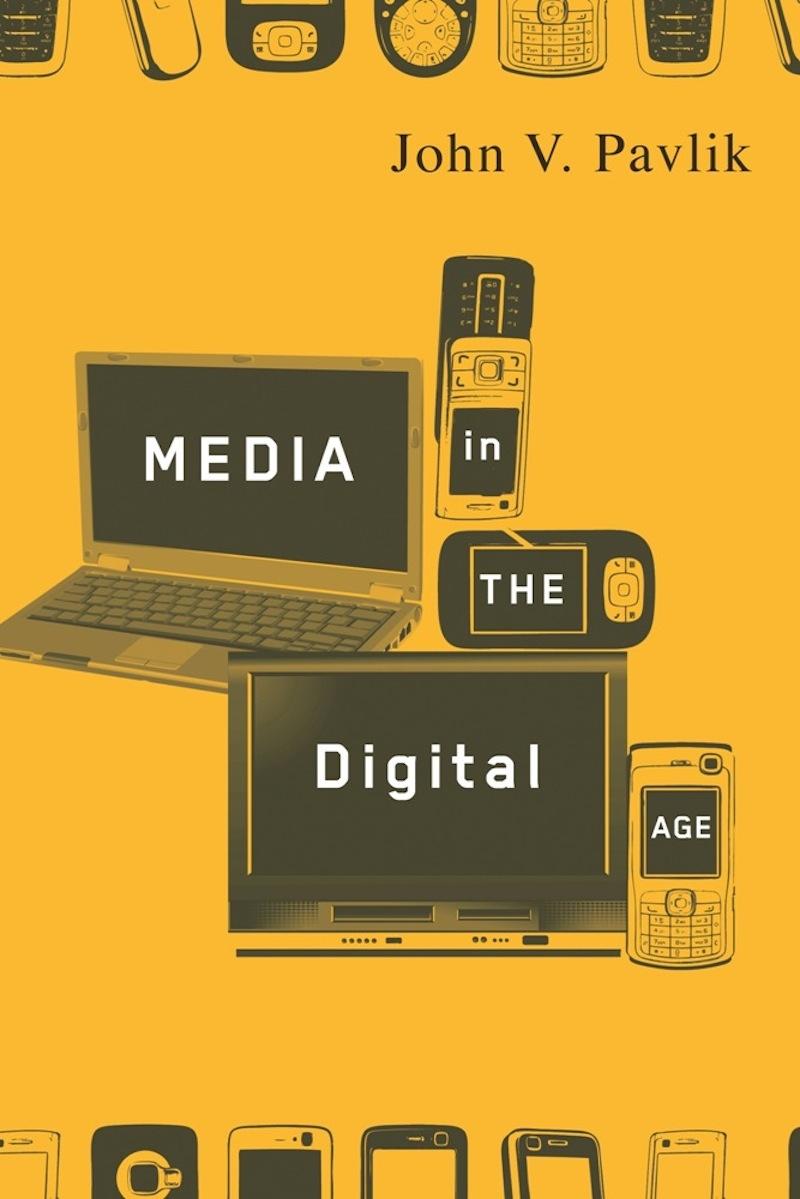
Digital technologies have fundamentally altered the nature and function of media in our society, reinventing age-old practices of public communication and at times circumventing traditional media and challenging its privileged role as gatekeepers of news and entertainment. Some critics believe these technologies keep the public involved in an informed discourse on matters of public importance, but it isn't clear this is happening on a large scale. Propaganda disguised as news is flourishing, and though interaction with the digital domain teaches children valuable skills, it can also expose them to grave risks.
John V. Pavlik critically examines our current digital innovationsblogs, podcasting, peer-to-peer file sharing, on-demand entertainment, and the digitization of television, radio, and satellitesand their positive and negative implications. He focuses on present developments, but he also peers into the future, foreseeing a media landscape dominated by a highly fragmented, though active audience, intense media competition, and scarce advertising dollars. By embracing new technologies, however, Pavlik shows how professional journalism and media can hold on to their role as a vital information lifeline and continue to operate as the tool of a successful democracy.
Payez facilement par carte, Klarna, Apple Pay ou Google Pay. Pas satisfait ? Vous avez toujours une garantie de remboursement de 14 jours. En savoir plus dans nos conditions. Si vous avez des questions, envoyez-nous un e-mail à hello@memmo.org.
Memmo facilite tes études, où que tu sois dans le monde. On rassemble tes manuels de cours et des outils d'étude intelligents au même endroit : résumés, quiz, podcasts et flashcards. Et il y a Ted, ton compagnon d'étude qui répond à toutes tes questions. Plus de 50 000 étudiants étudient déjà ici – conçu pour t'aider à apprendre plus vite et à moins stresser.