
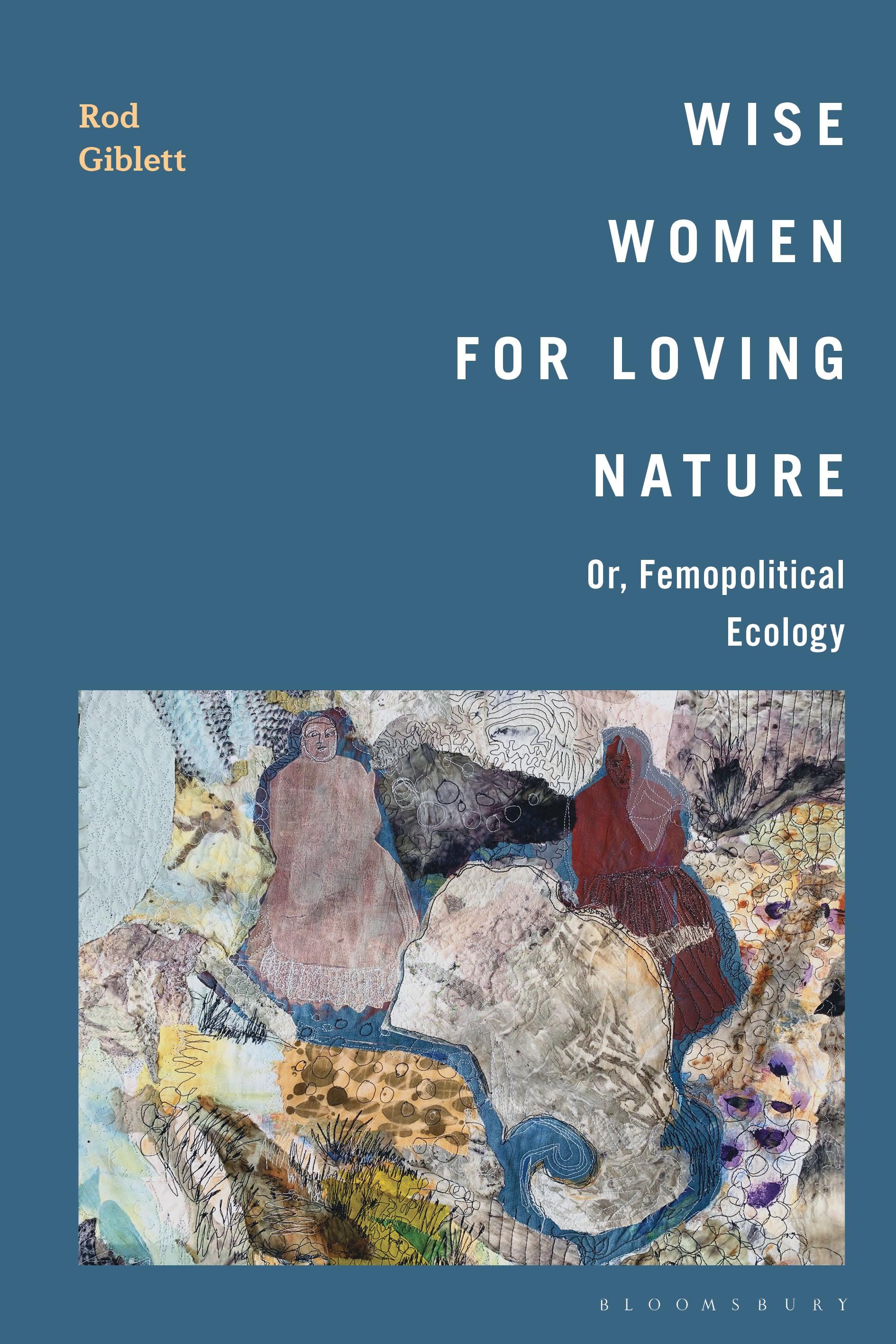
From Rachel Carson and Julia Kristeva to Rebecca Solnit and Nandi Chinna, the writers and artists featured here are 'patron saints', Rod Giblett shows, of a special aspect or approach to environmental conservation and contemplation: femopolitical ecology.
Through their bodies of work, these women make a collective call and create a compelling case and manifesto for loving nature, especially its fertile and life-giving functions. This is 'femopolitical ecology', the political ecology women create in writing or artworks for all people that deconstruct and decolonize the gendered construction of reality, not only of living beings, but also of processes, places and spaces, and nurtures love for them.
The truly transnational group of women come from a vast range of backgrounds across the north-south divide. Their work comes from a variety of disciplines and approaches, including psychoanalysis and feminism, and uses different materials, media and genres, such as poetry, painting, novels, essays, textiles and baskets.
As Giblett argues, all of these Wise Women for Loving Nature have a common concern with having and showing respect and reverence for the creativity and fertility of the life of the earth. Many write or create artworks expressing and nurturing love for wetlands and share a common critique of the masculinist, misogynist and patriarchal fascination with death, especially in the modern, capitalist, corporate-state cult of death manifested in war and the war against nature, including people and places. They sometimes collaborate with each other and often corroborate each other, creating fempolitical ecology.
Through their bodies of work, these women make a collective call and create a compelling case and manifesto for loving nature, especially its fertile and life-giving functions. This is 'femopolitical ecology', the political ecology women create in writing or artworks for all people that deconstruct and decolonize the gendered construction of reality, not only of living beings, but also of processes, places and spaces, and nurtures love for them.
The truly transnational group of women come from a vast range of backgrounds across the north-south divide. Their work comes from a variety of disciplines and approaches, including psychoanalysis and feminism, and uses different materials, media and genres, such as poetry, painting, novels, essays, textiles and baskets.
As Giblett argues, all of these Wise Women for Loving Nature have a common concern with having and showing respect and reverence for the creativity and fertility of the life of the earth. Many write or create artworks expressing and nurturing love for wetlands and share a common critique of the masculinist, misogynist and patriarchal fascination with death, especially in the modern, capitalist, corporate-state cult of death manifested in war and the war against nature, including people and places. They sometimes collaborate with each other and often corroborate each other, creating fempolitical ecology.
Maksa helposti kortilla, Klarnalla, Apple Paylla tai Google Paylla. Etkö ole tyytyväinen? Sinulla on aina 14 päivän palautusoikeus. Lue lisää ehdoistamme. Jos sinulla on kysyttävää, lähetä meille sähköpostia osoitteeseen hello@memmo.org.
Memmo tekee opiskelusta helpompaa – missä päin maailmaa ikinä oletkin. Meillä yhdistät kurssikirjat ja fiksut opiskelutyökalut yhteen paikkaan: tiivistelmät, visat, podcastit ja muistikortit. Ja sitten Ted, opiskelukaverisi, joka vastaa kaikkeen, mitä ikinä mietitkin. Yli 50 000 opiskelijaa opiskelee jo täällä – rakennettu auttamaan sinua oppimaan nopeammin ja stressaamaan vähemmän.