
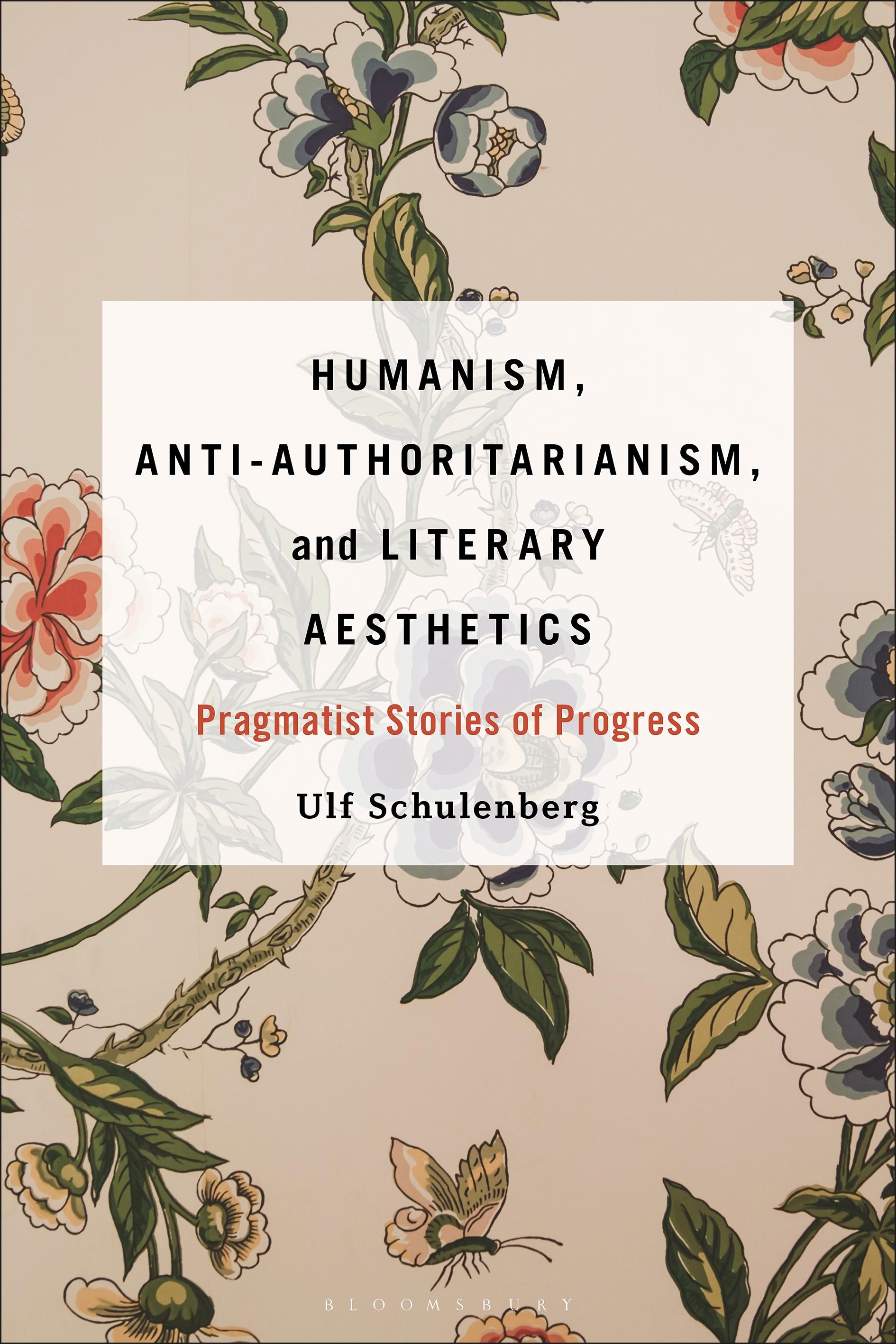
Presenting pragmatist humanism as a form of anti-authoritarianism, this book sheds light on the contemporary significance of pragmatist aesthetics and the revival of humanism.
This interdisciplinary study shows that a mediation between pragmatist aesthetics – which emphasizes the significance of creating, making, and inventing – and Marxist materialist aesthetics – which values form – promises interesting results and that the former can learn from the latter.
In doing so, Ulf Schulenberg discusses 3 layers of the multi-layered phenomenon that is the revival of humanism: He first explains the potential of a pragmatist humanism, clarifying the contemporary significance of humanism. He then argues that pragmatist humanism is a form of anti-authoritarianism. Finally, he shows the possibility of bringing together the resurgence of humanism and a renewed interest in the work of aesthetic form by arguing that pragmatist aesthetics needs a more complex conception of form.
Establishing a transatlantic theoretical dialogue, Humanism, Anti-Authoritarianism, and Literary Aesthetics brings together literary and aesthetic theory, philosophy, and intellectual history. It discusses a broad range of authors – from Emerson, Whitman, James, Nietzsche, Proust, and Dewey to Wittgenstein, Lukács, Adorno, Jameson, Latour, and Rorty – to illuminate how humanism, pragmatism, and anti-authoritarianism are interlinked.
This interdisciplinary study shows that a mediation between pragmatist aesthetics – which emphasizes the significance of creating, making, and inventing – and Marxist materialist aesthetics – which values form – promises interesting results and that the former can learn from the latter.
In doing so, Ulf Schulenberg discusses 3 layers of the multi-layered phenomenon that is the revival of humanism: He first explains the potential of a pragmatist humanism, clarifying the contemporary significance of humanism. He then argues that pragmatist humanism is a form of anti-authoritarianism. Finally, he shows the possibility of bringing together the resurgence of humanism and a renewed interest in the work of aesthetic form by arguing that pragmatist aesthetics needs a more complex conception of form.
Establishing a transatlantic theoretical dialogue, Humanism, Anti-Authoritarianism, and Literary Aesthetics brings together literary and aesthetic theory, philosophy, and intellectual history. It discusses a broad range of authors – from Emerson, Whitman, James, Nietzsche, Proust, and Dewey to Wittgenstein, Lukács, Adorno, Jameson, Latour, and Rorty – to illuminate how humanism, pragmatism, and anti-authoritarianism are interlinked.
Maksa helposti kortilla, Klarnalla, Apple Paylla tai Google Paylla. Etkö ole tyytyväinen? Sinulla on aina 14 päivän palautusoikeus. Lue lisää ehdoistamme. Jos sinulla on kysyttävää, lähetä meille sähköpostia osoitteeseen hello@memmo.org.
Memmo tekee opiskelusta helpompaa – missä päin maailmaa ikinä oletkin. Meillä yhdistät kurssikirjat ja fiksut opiskelutyökalut yhteen paikkaan: tiivistelmät, visat, podcastit ja muistikortit. Ja sitten Ted, opiskelukaverisi, joka vastaa kaikkeen, mitä ikinä mietitkin. Yli 50 000 opiskelijaa opiskelee jo täällä – rakennettu auttamaan sinua oppimaan nopeammin ja stressaamaan vähemmän.