
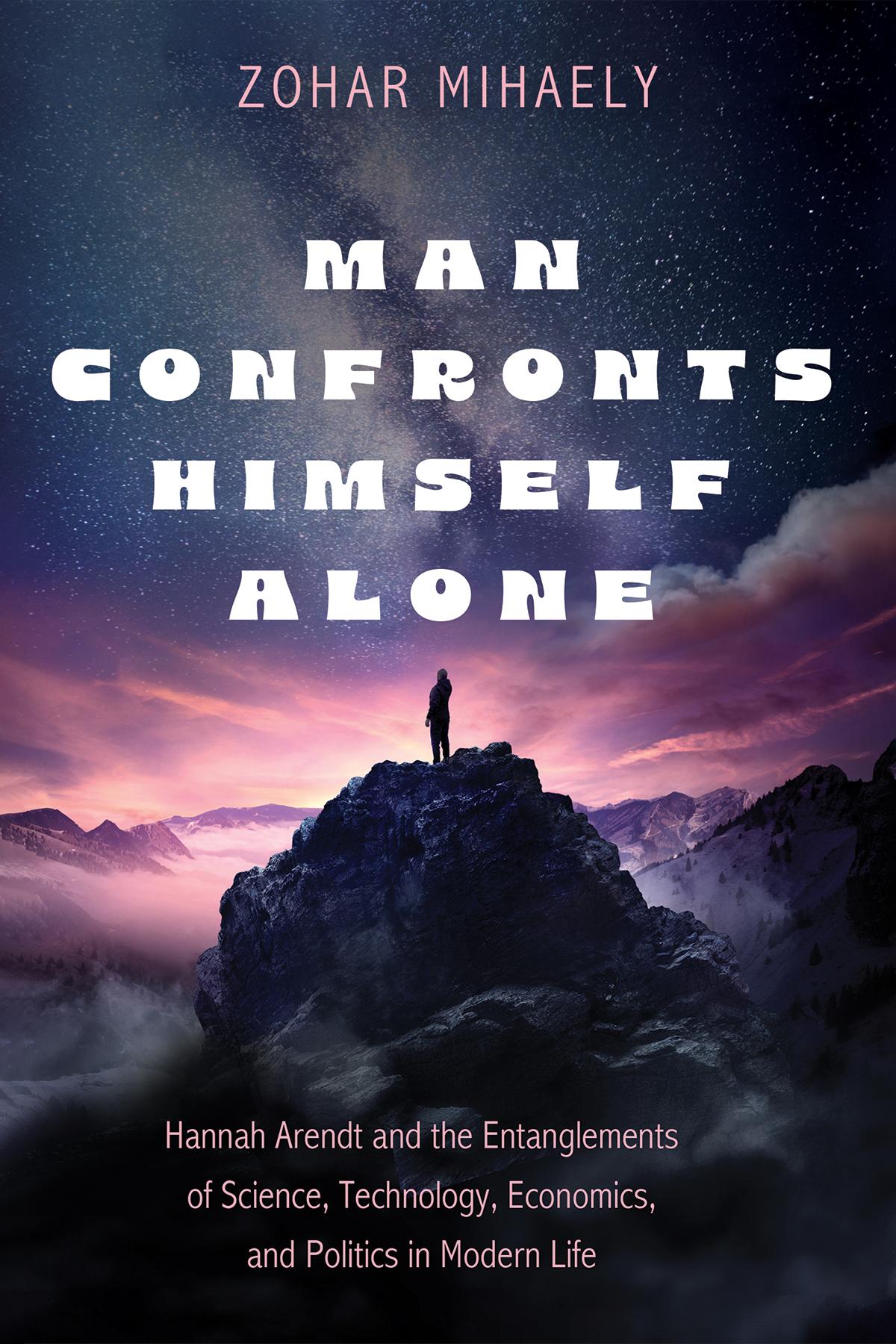
In 1957, the Russians launched the first satellite into space, marking the first time a man-made object broke through nature's limitations. In her iconic book The Human Condition, Hannah Arendt made the attempt to figure out the political implications of that seeming achievement. Her conclusion is that the astonishing scientific achievement of unprecedented control over terrestrial nature through the adoption of an outside-the-world "universal" perspective has shaped a prevailing mentality that sees the world, in which we have felt at home throughout history, as only optional. This has resulted in socioeconomic and political changes throughout modernity, ultimately reducing human ability to act politically. Many people today feel comfortable in a world shaped by science and technology. But Arendt warns us that there is hope for modern society if we can envision ways to make our active life worldly again. Mihaely's examination of Arendt's thoughts on science and politics stimulates the reader to rethink the authenticity of their freedom today.
Maksa helposti kortilla, Klarnalla, Apple Paylla tai Google Paylla. Etkö ole tyytyväinen? Sinulla on aina 14 päivän palautusoikeus. Lue lisää ehdoistamme. Jos sinulla on kysyttävää, lähetä meille sähköpostia osoitteeseen hello@memmo.org.
Memmo tekee opiskelusta helpompaa – missä päin maailmaa ikinä oletkin. Meillä yhdistät kurssikirjat ja fiksut opiskelutyökalut yhteen paikkaan: tiivistelmät, visat, podcastit ja muistikortit. Ja sitten Ted, opiskelukaverisi, joka vastaa kaikkeen, mitä ikinä mietitkin. Yli 50 000 opiskelijaa opiskelee jo täällä – rakennettu auttamaan sinua oppimaan nopeammin ja stressaamaan vähemmän.
Saatat pitää myös näistä
Osta kirja0